Boiler Maintenance and Tune-Up
A tune and clean that restores normal running when a boiler wastes fuel.
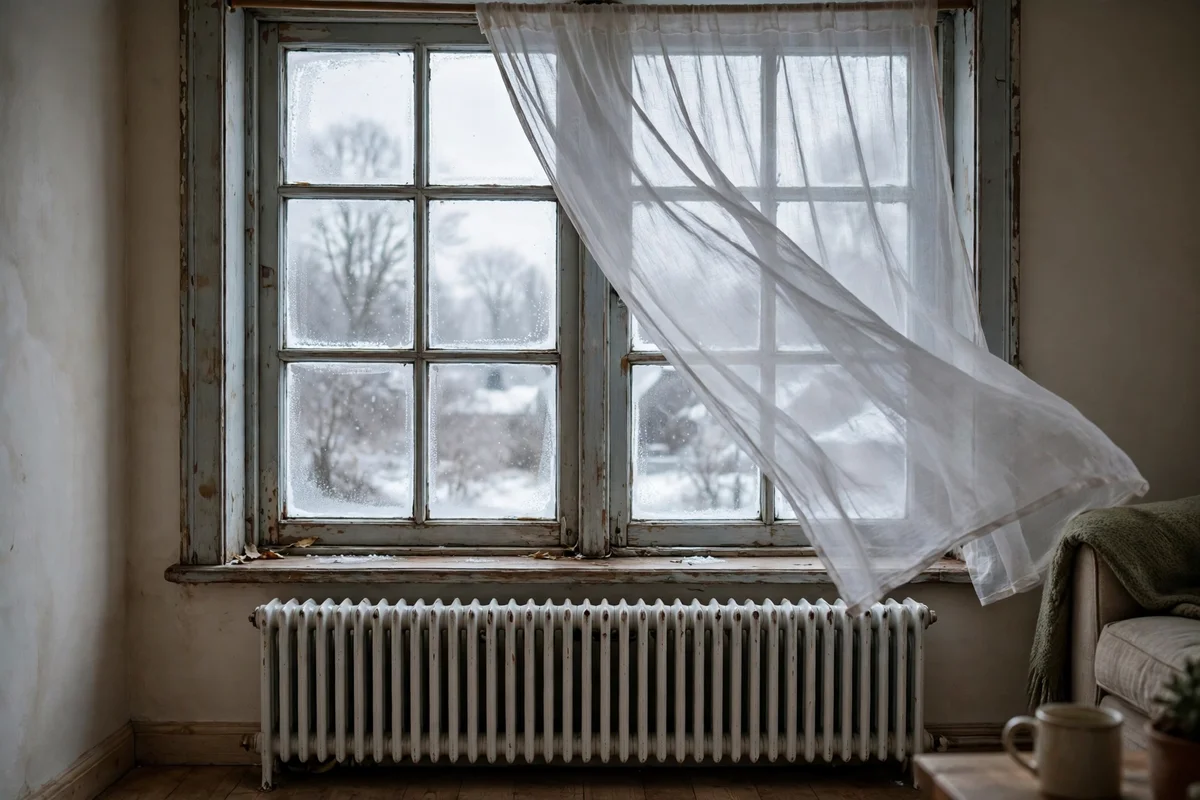
A heating bill that jumps without an obvious reason usually has a cause you can find. Learn the common culprits, and how to narrow them down.
By Boiler Guard Delaware
A heating bill that rises sharply is frustrating, especially when nothing in the house seems to have changed. The cause is usually one of a handful of things: a boiler fault, a draft or insulation change, a thermostat habit, or a change in how the house is used. Working through them in order usually finds the culprit without guessing. This guide walks through that order, in qualitative terms, since exact amounts depend on your rate plan, your home, and your usage, all of which differ.
A simple record helps with any bill investigation: keep a note of thermostat settings, radiator bleeds, and any work done on the house, month by month through winter. When a bill jumps, that record shows what changed and when, which narrows the search far faster than memory alone. Compare bills across similar months rather than against summer, since heating use naturally swings with the weather, and a record kept through the season makes those comparisons honest instead of guesswork.
A boiler that runs inefficiently uses more fuel for the same warmth. Soot on the heat exchanger, a burner out of tune, sludge in the radiators, or a pump that struggles all force the boiler to work harder and longer. The house may still feel warm, but the extra running shows up on the bill.
A thermostat or control fault can also raise use. A thermostat that reads low keeps calling for heat after rooms are warm, while a zone valve stuck open heats rooms nobody uses. If one room is always warmer than its setting, or a zone heats when it should be off, the controls deserve a check before the boiler itself.
Short cycling wastes fuel too. A boiler that fires in brief bursts, overshoots, and shuts down uses more fuel than one running in steady burns, and it wears parts faster. Short cycling often points to sizing, a control fault, or a circulation problem, and each has a different fix, so the pattern is worth describing when you call.
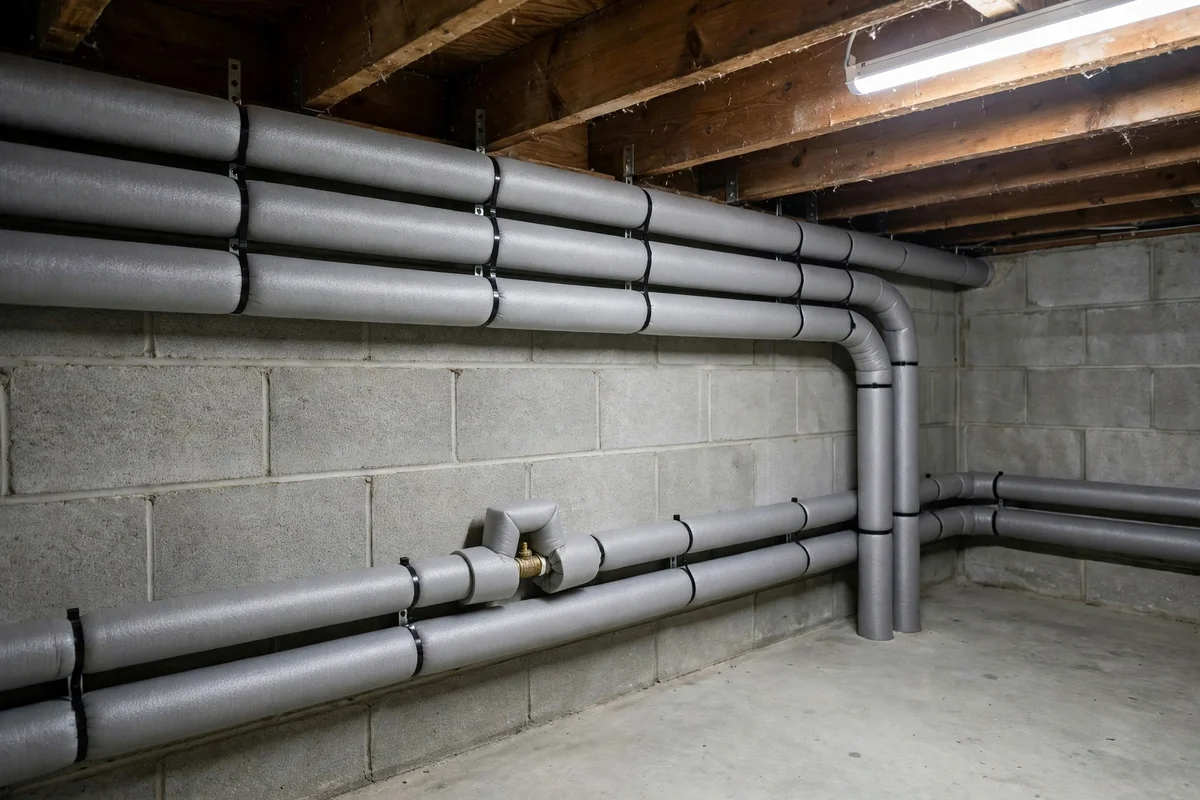
Drafts are the most common home cause. A window seal that fails, a door that no longer closes snugly, or a loft hatch left ajar can let warm air escape all winter, and the boiler must replace that lost heat constantly. Walk the house on a windy day and feel for cold air at windows, doors, and hatches.
Insulation changes matter too. Wet loft insulation after a roof leak, insulation disturbed by building work, or a previously heated room left unheated can all raise heat loss. A room that suddenly feels colder than before often points to a change in that room, not to the boiler, so compare rooms before blaming the system.
Blocked radiators waste heat as well. Furniture pushed against a radiator, heavy curtains hanging over one, or a radiator full of sludge all stop heat reaching the room. The boiler runs longer to compensate, and the bill rises while comfort falls. Clear radiators and check for cold spots as a first step.
Not sure what your system needs?
Call (302) 555-0147Thermostat habits are the simplest cause to overlook. A setting raised a few degrees, a schedule extended into the night, or a home occupied more hours than before all raise heating use noticeably. Compare your current schedule with last winter's before assuming a fault, since a habit change is the easiest fix of all.
Household changes count too. More people at home during the day, a new baby, a home office, or guests staying for weeks all raise heat demand. Those changes are good reasons for a higher bill, not signs of a fault, but they are worth naming so you do not chase a boiler problem that does not exist.
Weather is the last habit-like factor. A colder winter than last year raises use even when nothing else changes, and Delaware cold snaps can add weeks of heavy running. Compare the winter, not just the bill, and look for a pattern across months rather than a single high reading.
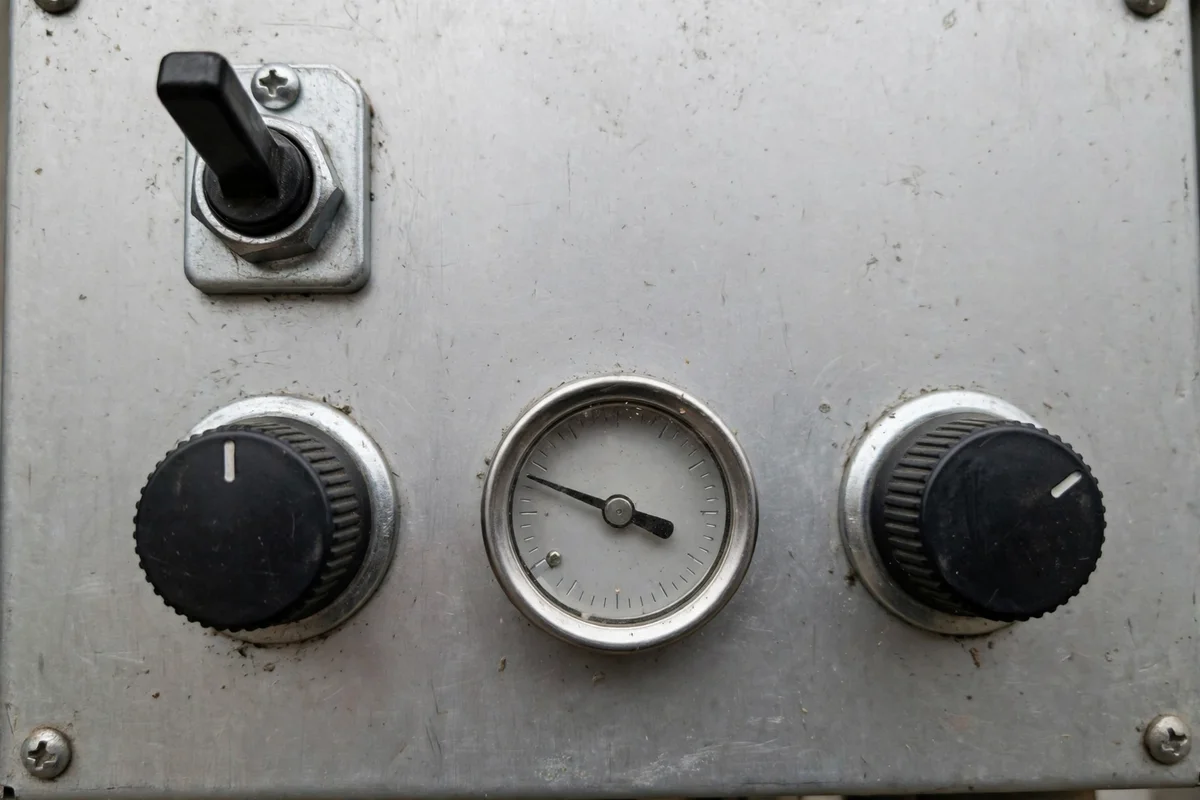
Start with the simple checks: thermostat setting and schedule, radiator clearance and cold spots, drafts at windows and doors, and any household or weather change. Those checks cost nothing and often find the answer, since most bill rises come from the home or habits, not from a sudden boiler failure.
Next, look at the boiler itself. Note any new noises, pressure changes, or rooms that heat unevenly, and check when the boiler was last serviced. A boiler overdue for a visit, or one showing new symptoms, deserves a check, since a tune and clean often restores normal running and stops the extra fuel use.
If the simple checks find nothing, call us and describe the pattern: when the rise started, which rooms feel different, and what the boiler is doing. Those details let us judge whether the cause sits in the boiler, the controls, or the distribution, and we will check the system properly rather than guessing. Homes across Delaware can reach us on the number at the top of this page. See also our Boiler Controls and Zone Heating page for details on what that involves.
Winter brings the heaviest heating load of the year, and a cold snap can raise use sharply even when nothing else changes. Compare the winter weather with last year, check thermostat habits, and look for drafts and blocked radiators before assuming a boiler fault, since those causes are more common.
Yes, a thermostat that reads low keeps calling for heat after rooms are warm, and a zone valve stuck open heats rooms nobody uses. If one room is always warmer than its setting, or a zone heats when it should be off, the controls deserve a check, since that waste runs all winter.
Yes, drafts let warm air escape constantly, and the boiler must replace that lost heat all winter. A failed window seal, a door that no longer closes snugly, or a loft hatch left ajar can each raise use noticeably. Feeling for cold air on a windy day is a quick and useful check.
A sudden rise usually comes from a boiler fault, a draft or insulation change, a thermostat habit, or a change in household use. Work through those in order, starting with thermostat settings, radiator clearance, and drafts, since most rises come from the home or habits rather than a sudden boiler failure.
Yes, sludge blocks water flow and stops radiators giving heat to rooms, so the boiler runs longer to compensate. Radiators that stay cold at the bottom, or rooms that warm slowly, can point to sludge. A system flush clears it and restores even heat across the house.
A single cold room often means a blocked radiator, a stuck valve, trapped air, or a draft in that room, rather than a boiler fault. Check the radiator for cold spots, clear furniture and curtains from it, and feel for drafts at its windows before looking at the wider system.
No, turning the thermostat higher does not make the house warm faster, since the boiler already runs at full output when heat is called for. A higher setting only makes the boiler run longer and overshoot, wasting fuel. Set the temperature you actually want and let the system reach it steadily.
Turning a radiator fully off in a room can save a little, but it can also let that room go cold enough for damp or frozen pipes in winter. A low setting, with the door open to let some warmth in, is usually safer than a fully cold room, especially for rooms with outside walls or pipes.
Call when simple checks find nothing, or when the boiler shows new symptoms such as noise, pressure changes, or uneven heat. Describe when the rise started, which rooms feel different, and what the boiler is doing, since those details help us find whether the cause sits in the boiler, controls, or distribution.
Describe when the rise started and what the boiler is doing. We will check the system and help narrow it down.
A tune and clean that restores normal running when a boiler wastes fuel.
For thermostats and zone valves that heat rooms they should not.
When sludge blocks radiators and forces the boiler to run longer.
Last updated: October 26, 2026.