Radiator Repair and Installation
Radiator valves, vents, and replacements for steam and hot water emitters.
Learn more →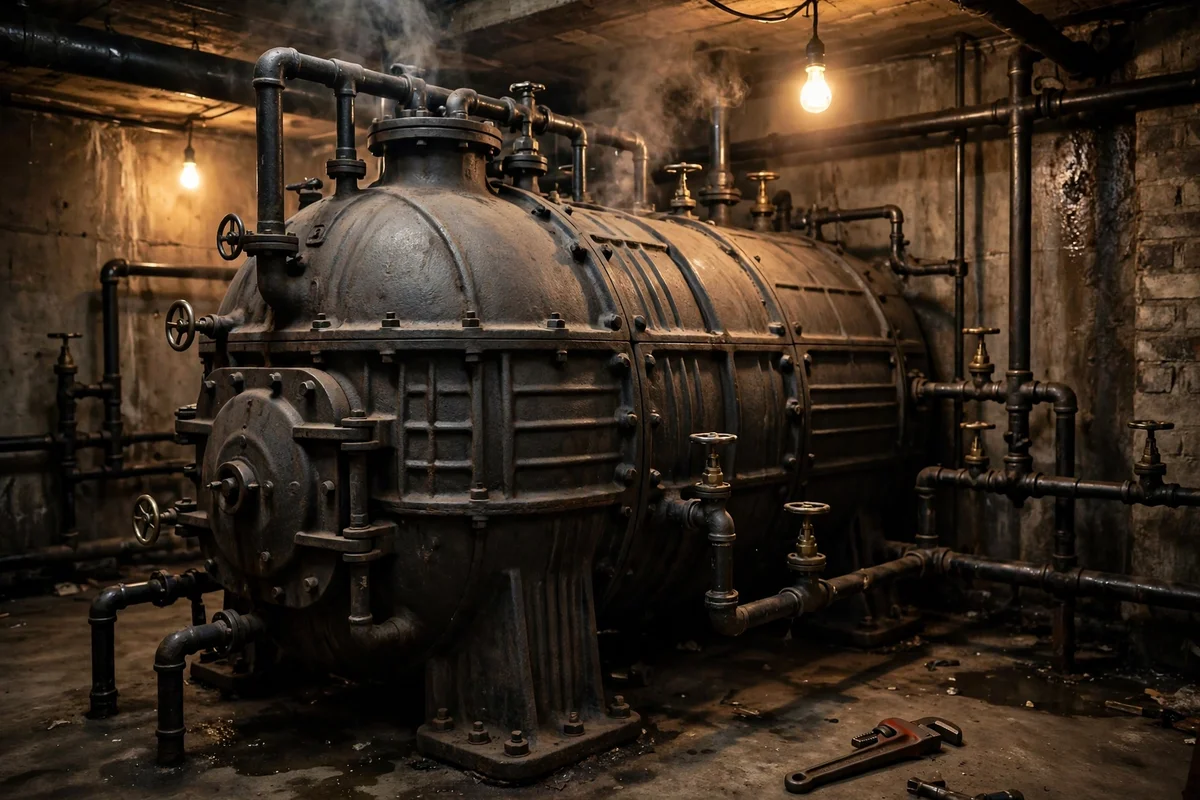
Steam heat is a different craft from hot water heat. It runs on pressure, vents, and traps, and it rewards a technician who understands how steam moves through old pipework.
A steam boiler heats water until it becomes steam, and that steam travels through pipes to radiators, where it gives up heat and condenses back to water. The condensed water returns to the boiler, and the cycle repeats. Tell us which radiators heat first and which lag behind.
That cycle depends on air leaving the system. Each steam radiator carries an air vent that lets air escape as steam arrives, then closes once steam reaches it. Main vents on the pipe runs do the same job for the larger pipes. When vents work, steam reaches every radiator in turn, rooms warm evenly, and condensate returns smoothly. When vents stick, clog, or fail, air blocks the steam, radiators stay cold at the far end, and pressure builds in odd places. A steam system that heats unevenly is usually a venting problem before it is a boiler problem, and we check vents before assuming the boiler itself has failed.
Water level sits at the heart of steam safety and performance. Too little water exposes boiler sections to overheating, while too much water sends water into steam pipes, causing hammering and uneven heat. The sight glass shows the level, and the low-water cutoff protects the boiler if the level falls. We check the level, test the cutoff, and look at the water condition during every steam visit, because dirty or oily water foams, carries over into pipes, and makes even a sound boiler behave badly.
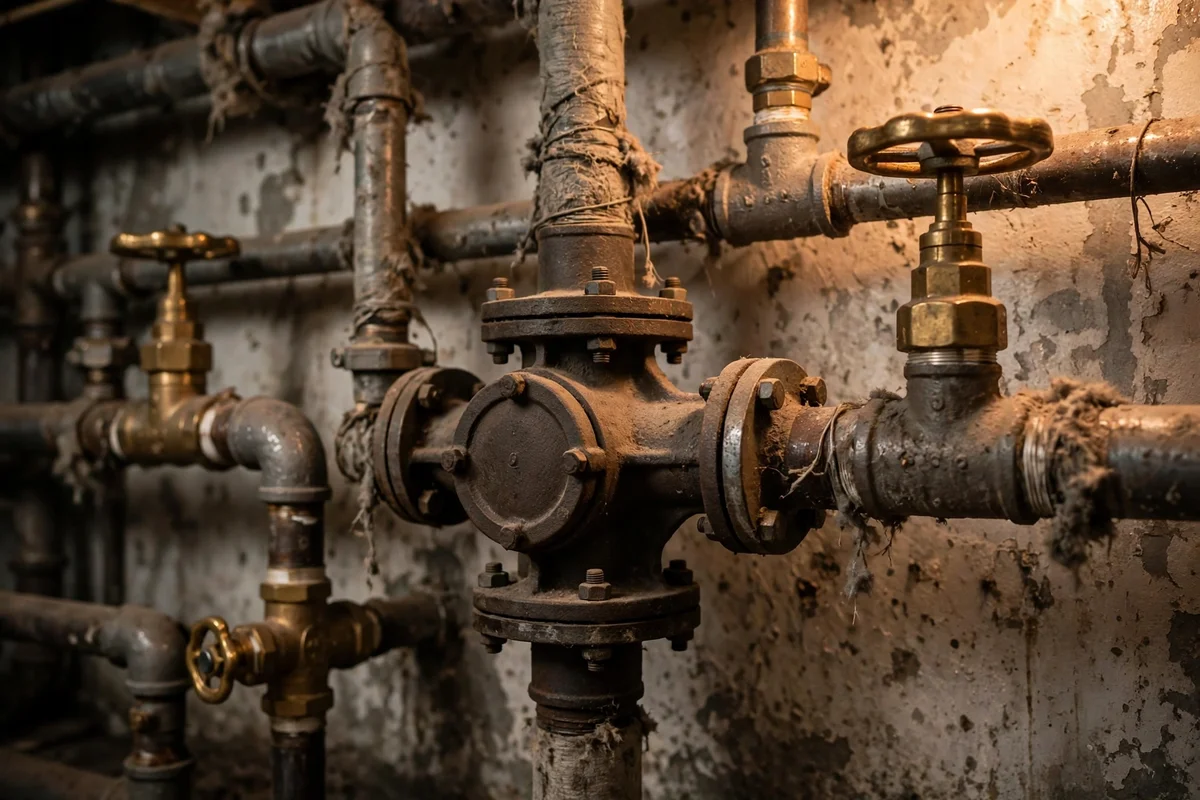
Steam problems announce themselves through sound and uneven heat, and each sound points to a different fault. Learning those signals helps owners describe the problem clearly on the call. Describe the sound, its timing, and which radiators are affected when you call.
Water hammer, the loud banging that shakes pipes, usually comes from condensate pooling in a sagging pipe or from water carried over from the boiler. It is not just noisy: repeated hammering strains joints and valves. Hissing at a radiator vent that never stops points to a vent that will not close, wasting steam and leaving the radiator lukewarm. A radiator that stays cold while its neighbors heat usually has a blocked vent, a closed valve, or a pipe run that has lost its pitch. A boiler that needs frequent topping up may have a leak in the return pipework, a faulty trap, or a vent passing steam steadily.
We fix these faults at their source rather than masking them. Vents are tested and replaced where they fail, traps are checked for passing steam or blocking condensate, pipe pitch is corrected where a run has sagged, and water quality is addressed where foaming or carryover is present. A steam boiler also needs its pressuretrol and safety valve checked, because a steam system runs at low pressure by design and a control set too high wastes fuel and stresses the system. After repair, we run the system through a full cycle and check each radiator in turn, so the fix is proven room by room.
Steam radiators heating unevenly? Call (302) 555-0147 and talk to a steam specialist.
Call (302) 555-0147Older Delaware homes carry two kinds of steam system, and the repair path depends on which one a building has. Mixing up the two leads to wrong parts and repeated visits. Tell us whether your system has one pipe or two pipes per radiator if you know.
In a one-pipe system, each radiator has a single pipe that carries steam in and condensate out, and each radiator vent controls that radiator alone. Vent sizing matters enormously here: a radiator far from the boiler needs a faster vent than one nearby, or steam reaches near radiators first and far rooms wait. In a two-pipe system, steam arrives through one pipe and condensate leaves through another, with traps at each radiator holding steam back while letting water through. A failed trap in a two-pipe system passes steam into the return, heating return pipes and starving other radiators, and that fault looks very different from a one-pipe vent fault.
We identify the system type before ordering parts or adjusting vents. That identification shapes vent selection, trap testing, and balancing, and it explains why a fix that worked in a neighbor home may not work in yours. Radiator work on steam systems is covered in more detail on our radiator repair and installation page, and water quality problems may need system flushing and water treatment alongside trap and vent work. A steam system understood properly heats quietly and evenly, even in a building that has heated this way for decades.
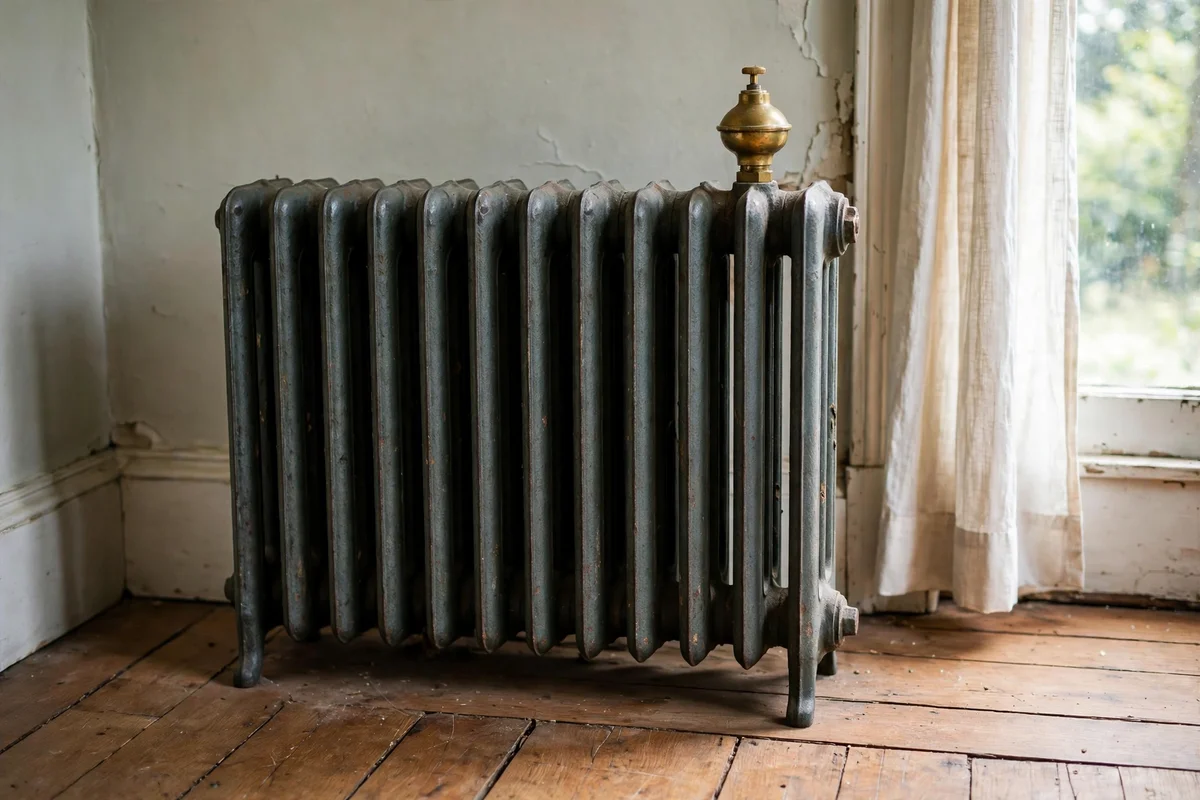
Hammering or hissing from steam pipes? Call (302) 555-0147 and describe what you hear.
Call (302) 555-0147Steam systems reward steady, simple care. A short seasonal check, attention to water level, and prompt vent replacement keep an old system running well for years. Note the sight glass level from time to time and report a level that keeps falling.
Check the sight glass regularly and note whether the water level holds steady between visits. A level that falls steadily points to a leak or a passing vent, and that fault should be found before the boiler is topped up repeatedly. Keep the boiler room clear around the boiler and pipework so leaks, drips, and vent steam are easy to spot. Note which radiators heat first and which lag, because that pattern tells a technician where venting or pitch needs attention.
Plan a seasonal steam check before winter, covering water level controls, pressure controls, safety valve, vents, and traps. That visit catches the small faults that turn into hammering, cold rooms, and wasted fuel once cold weather arrives. We serve homes and businesses across Delaware, and our service areas page shows the areas we cover. Steam heat has warmed Delaware homes for generations, and with the right care it keeps doing so quietly and evenly.
Steam safety controls protect the boiler when water level, pressure, or burner behavior moves outside safe limits, and understanding them helps owners respond calmly when a control trips. The low-water cutoff, pressuretrol, and safety valve each guard a different limit.
The low-water cutoff shuts the burner down if boiler water falls too low, because firing a boiler with exposed sections can damage the boiler seriously. The pressuretrol limits steam pressure, keeping the system in its low-pressure design range rather than letting pressure climb. The safety valve releases pressure if both other controls fail, and it should never be blocked, capped, or tested by an untrained hand. During a steam visit we test the low-water cutoff by its maker procedure, check the pressuretrol setting against system design, and inspect the safety valve discharge route for blockage or corrosion. If a control trips repeatedly, the trip itself is a symptom, not a nuisance, and the underlying water level, pressure, or burner cause must be found before the system is returned to service.
Cold steam radiators usually point to a blocked or failed air vent, a closed valve, or a pipe run that has lost its pitch. Steam cannot enter a radiator full of trapped air, so the radiator stays cold while neighbors heat. Testing and replacing the vent is often the first step, followed by valve and pipe checks.
Banging, known as water hammer, usually comes from condensate pooling in a sagging pipe or from water carried over from the boiler into steam pipes. Steam hitting pooled water creates a shock that shakes the pipe. Fixing pipe pitch, water level, or water quality addresses the cause rather than just quieting the noise.
Steam heat moves heat as vapour through pipes to radiators, where it condenses and returns as water. Hot water heat circulates liquid water through a pump instead. Steam systems use vents and traps rather than pumps and bleed valves, and they need different controls, parts, and balancing methods.
Frequent topping up points to a leak, a vent passing steam, or a trap passing steam into the return. We check return pipework, vents, and traps to find where water or steam is escaping, because constant fresh water also brings oxygen and scale into the system.
A steam trap holds steam in a radiator or pipe while letting condensed water drain away. A trap that sticks open passes steam into the return, wasting heat and starving other radiators. A trap stuck closed floods the radiator with water and leaves it cold.
Conversion is a major rework, not a boiler swap. Radiators, pipework, vents, traps, and controls all change, and the cost and disruption are large. In most older homes, repairing and tuning the steam system is the sensible path, and we explain both options honestly after inspection.
A short hiss as a vent releases air is normal at the start of a heating cycle. Hissing that continues through the cycle points to a vent that will not close, which wastes steam and leaves the radiator lukewarm. Replacing the vent usually fixes it.
A seasonal check before winter is sensible, covering water level controls, pressure controls, safety valve, vents, and traps. Between visits, watch the sight glass and note radiators that heat late or stay cold, and report changes early. Sight glass readings and radiator patterns are worth noting between visits.
Steam work needs knowledge of vents, traps, pressure controls, and water level safety that hot water work does not cover. Our steam visits focus on those parts, and we test the system room by room after any repair. Vent, trap, and pressure control symptoms are worth noting when you call.
Tell us which radiators heat, which stay cold, and what sounds the pipes make, and we will plan the steam visit from there.
Radiator valves, vents, and replacements for steam and hot water emitters.
Learn more →Seasonal checks that cover water level, pressure controls, and safety parts.
Learn more →Water quality work that stops foaming and carryover in steam systems.
Learn more →Last updated: October 26, 2026.