Baseboard Heating Services
Low-profile emitters that suit rooms where a tall radiator would not fit.
Learn more →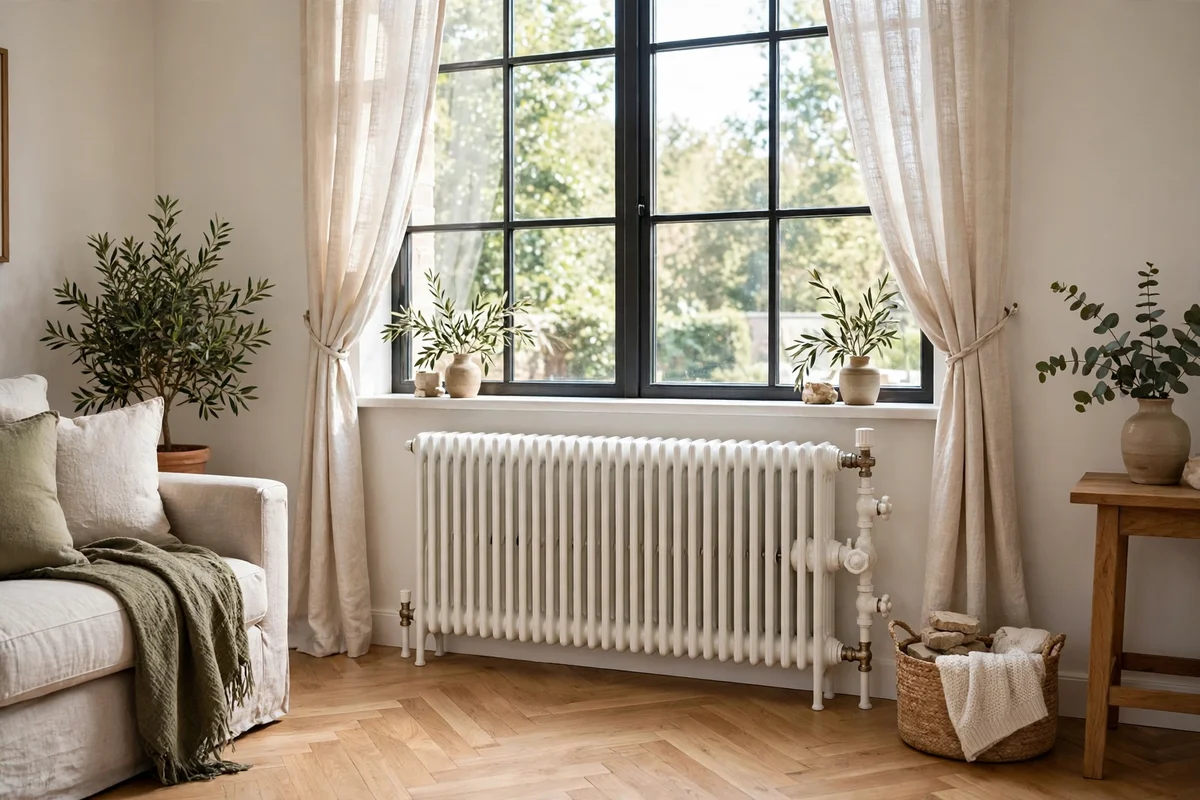
A radiator is where boiler heat becomes room comfort. When one leaks, stays cold, or heats only halfway, the room feels it first, and the fix belongs at the emitter.
Radiators are simple devices, and their faults are usually simple too: a valve that leaks or sticks, air that collects at the top, sludge that settles at the bottom, or a vent that fails on a steam radiator. The trick is telling those faults apart.
A valve that drips at the stem or will not turn usually needs a valve repair or replacement, and the room may heat poorly until the valve opens fully. A radiator that is hot at the bottom and cold at the top usually holds air, and bleeding it restores heat, at least for a while. A radiator that is hot at the top and cold at the bottom usually holds sludge, which blocks flow through the lower channels. A steam radiator with a failed vent stays cold because air cannot escape, and that fault belongs to the vent, not to the boiler. We test each radiator by touch, top to bottom and end to end, before deciding on a repair, because the temperature pattern names the fault.
Physical damage matters too. A radiator that has been knocked, that shows rust at joints, or that leaks at a section joint needs a closer look. Small section leaks sometimes respond to a joint repair, while widespread corrosion points to replacement. We explain the condition plainly, including whether a repair is likely to hold or whether a new radiator is the honest answer. A radiator that is repaired well should heat evenly, hold pressure, and stay dry at every joint.
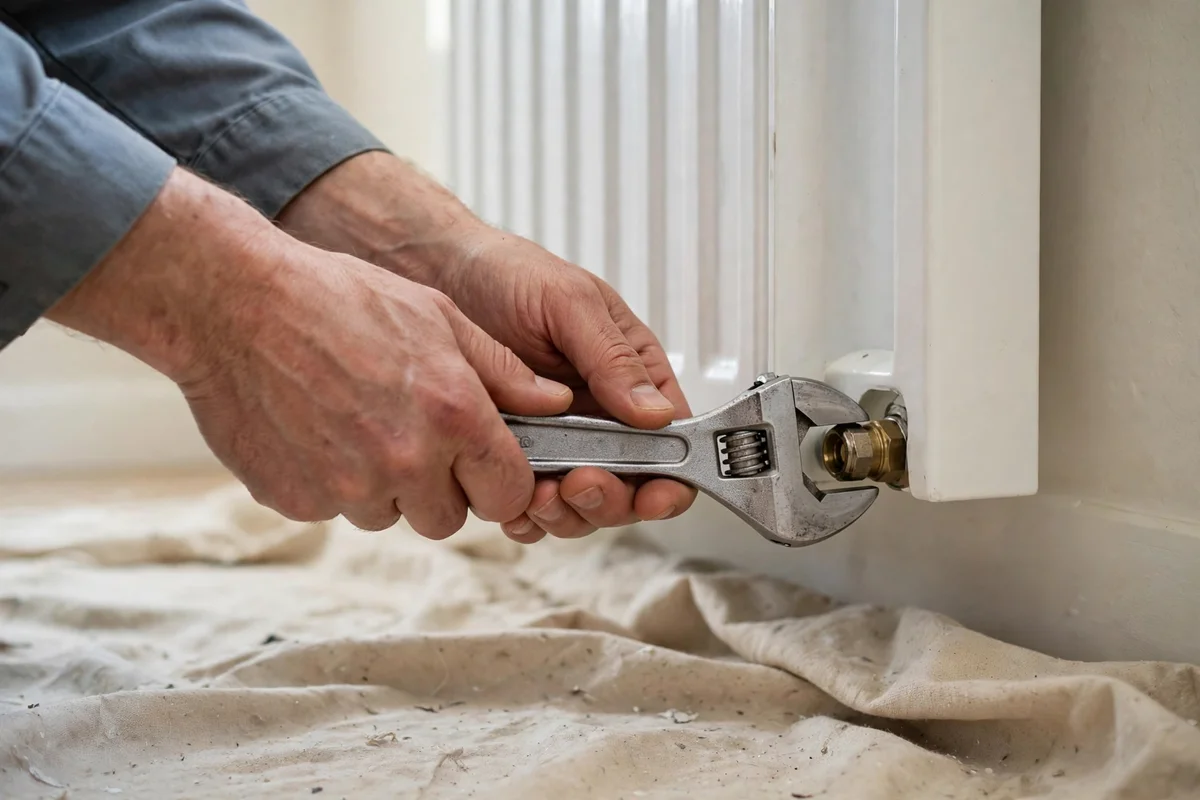
Most radiator visits end with a valve, a vent, or a joint, and each repair follows a clear sequence. We isolate the radiator, drain it as needed, fit the part, and test the room again before leaving. Tell us which valve or joint is affected and how the radiator heats.
Valve work starts with the valve type. Manual valves, thermostatic valves, and lockshield valves each control flow differently, and a thermostatic valve that sticks shut leaves a room cold even when the boiler runs well. We replace a failed valve with a matching type, check the lockshield setting so the radiator still balances with its neighbors, and test the room through a full heating cycle. Steam vents are tested by sound and heat: a vent that hisses constantly or never lets air out is replaced with the correct vent rate for that radiator position. Leaks at valve connections are remade with fresh joints and tested under pressure, warm as well as cold.
After any radiator repair, we check the system pressure and bleed air from the repaired radiator and its neighbors, because draining one radiator can move air elsewhere. We also check the rooms next door, since a radiator that suddenly takes full flow can starve a neighbor if balancing is ignored. That neighbor check is what separates a repair that holds from a repair that simply moves the cold room down the hall. For steam radiators specifically, our steam boiler services page covers traps and main vents that affect whole steam systems.
Radiator leaking or staying cold? Call (302) 555-0147 and tell us which room is affected.
Call (302) 555-0147A new radiator starts with the room, not with a size picked from habit. We measure the room, note windows and outside walls, and ask how the room is used, because a bedroom, a bathroom, and a living room each need different heat.
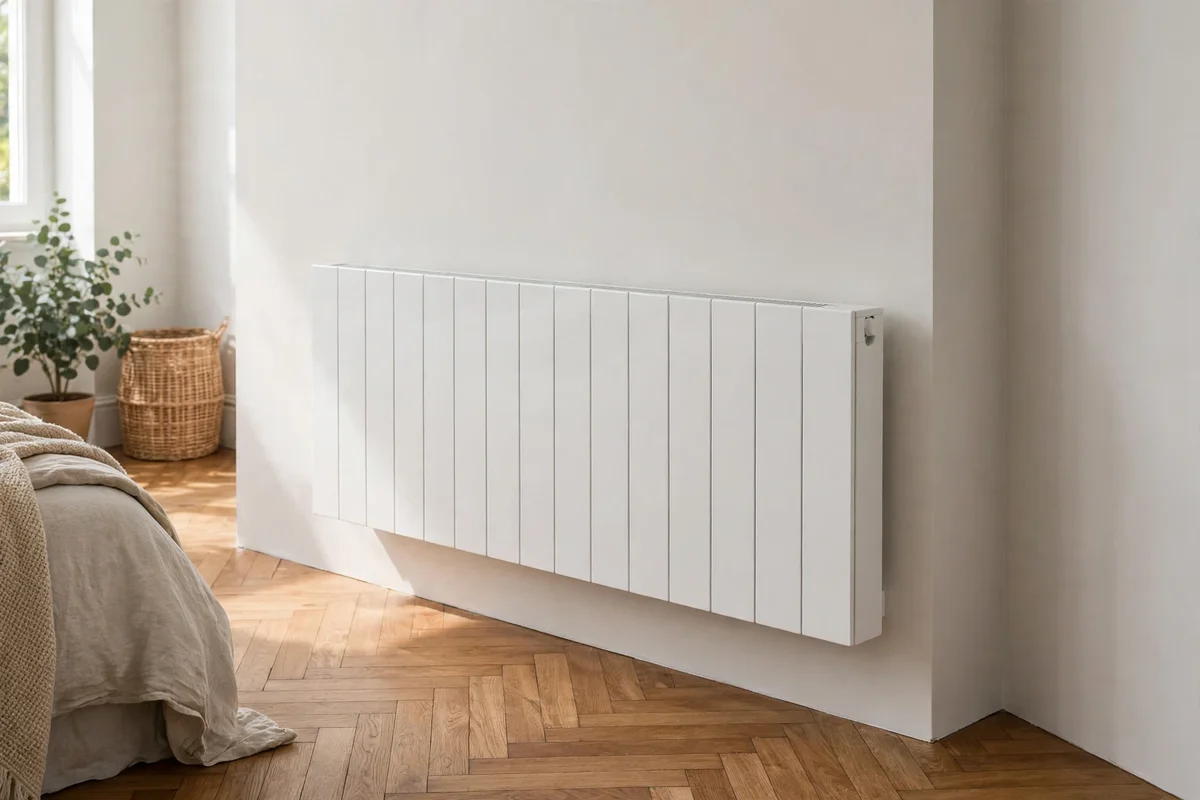
Room size, window area, and insulation shape the radiator output needed, and an undersized radiator leaves a room chronically cool no matter how well the boiler runs. An oversized radiator heats in bursts and can steal flow from other rooms. We size the new radiator to the room, choose a style that fits the wall space and pipe positions, and agree the position before pipework is touched. Position matters: a radiator under a window counters cold downdraft, while a radiator hidden behind furniture or curtains wastes heat. Pipework is run neatly, valves are fitted for control and balancing, and the wall fixings are chosen for the radiator weight, which matters most for heavy cast iron models.
After fitting, we fill, bleed, and balance the new radiator with its neighbors, then run the system and check temperatures room by room. A new radiator should heat evenly top to bottom and end to end, with no cold patches that point to air or sludge. We show you how to use the valve, how to bleed the radiator if its top cools, and what to watch in the first weeks. A well-installed radiator disappears into daily life: the room simply feels warm, and the radiator itself is forgotten.
Planning a new radiator? Call (302) 555-0147 and talk through size and position.
Call (302) 555-0147Radiators need little care, but the little they need prevents the faults that fill our call list. A short seasonal routine keeps them heating evenly year after year. Note any radiator that needs bleeding often and share that pattern with us.
Before winter, run the system and feel each radiator top to bottom. Note any that heat unevenly, need bleeding often, or show damp at valves, and call about those before cold weather arrives. Bleed a radiator only when its top is cold while its bottom is warm, and check the boiler pressure afterwards, topping up only as the boiler instructions allow. Keep furniture and curtains clear of radiators where possible, because a blocked radiator cannot release heat into the room no matter how hot the water inside it is.
If several radiators heat unevenly or the system water looks dark when bled, the problem may sit in the water itself rather than in any single radiator, and our system flushing and water treatment page covers that work. We serve homes and businesses across Delaware, and our service areas page shows where we work. For full system care, ask about boiler maintenance and tune-up alongside radiator work.
Thermostatic radiator valves let each room hold its own temperature without a separate thermostat, and they work by sensing room air and throttling radiator flow as the room warms. Used well, they balance comfort and fuel use room by room.
A thermostatic valve head contains a sensor that expands as room air warms, gradually closing the valve and reducing flow into that radiator. When the room cools, the sensor contracts and flow resumes. That self-adjusting behavior means a sunny room warms without overheating, while a shaded room keeps receiving flow. Valve heads should sit clear of curtains, furniture, and radiator covers, because a head trapped in warm air behind a curtain senses curtain air, not room air, and closes the radiator early. During a radiator visit we check heads for sticking, correct numbering, and unblocked sensor airflow, and we explain the number settings in plain words, so owners can set rooms sensibly rather than guessing. A stuck head that never opens leaves a room cold, while a head that never closes leaves a room overheating, and both are simple to diagnose once the valve behavior is tested.
A cold top usually means trapped air. Bleeding the radiator releases the air and lets hot water fill the whole unit. If the same radiator needs bleeding often, air is entering the system through a leak or a faulty vent, and that source should be found.
A cold bottom usually means sludge has settled in the lower channels and blocks flow. Flushing the radiator or the system can clear it. If only one radiator is affected, that radiator may need individual attention rather than a full system flush.
Often, yes, provided pipework can reach the new position and the radiator still suits the room. Moving a radiator means draining, rerouting pipes, and rebalancing neighboring radiators. We survey the pipe route and wall space before agreeing a new position.
Turn the system off, use a radiator key on the bleed valve at the top corner, and let air hiss out until water appears steadily, then close the valve. Check the boiler pressure afterwards. If the same radiator needs bleeding often, call us, because air is entering from somewhere.
A stuck valve can sometimes be released, but a valve that sticks repeatedly or leaks at the stem usually needs replacement. We fit a matching valve type and rebalance the radiator so neighboring rooms still heat well. Valve type and whether the valve leaks at the stem are worth noting.
One radiator is enough when the rest heat evenly and show no corrosion or leaks. A full set makes sense only when several radiators are corroded, undersized, or leaking. We assess each radiator separately and explain which ones genuinely need work.
Gurgling usually means air moving through the radiator with the water. Bleeding helps briefly, but recurring gurgling points to air entering the system through a leak or a vent fault, which should be traced and fixed. Air entry patterns and how often bleeding is needed are worth noting.
Yes. A thermostatic valve lets a room hold a lower temperature without shutting its radiator off entirely. Turning a radiator fully off for long periods can invite damp and imbalance, so a low setting is usually wiser than a closed valve.
Yes. We install and repair radiators in homes and businesses across Delaware, including multi-room buildings where balancing and zone control matter as much as any single radiator. Radiator sizes, room counts, and any cold rooms help us plan the visit properly.
Tell us which room, which radiator, and how it heats, and we will plan the radiator visit from there.
Low-profile emitters that suit rooms where a tall radiator would not fit.
Learn more →The boiler and pump work behind every hot water radiator in the building.
Learn more →Flushing that clears sludge from radiators heating only halfway.
Learn more →Last updated: October 26, 2026.