Combi Boiler Installation
One unit for heat and hot water, a good fit for smaller Milford homes and homes short on space.
Learn more →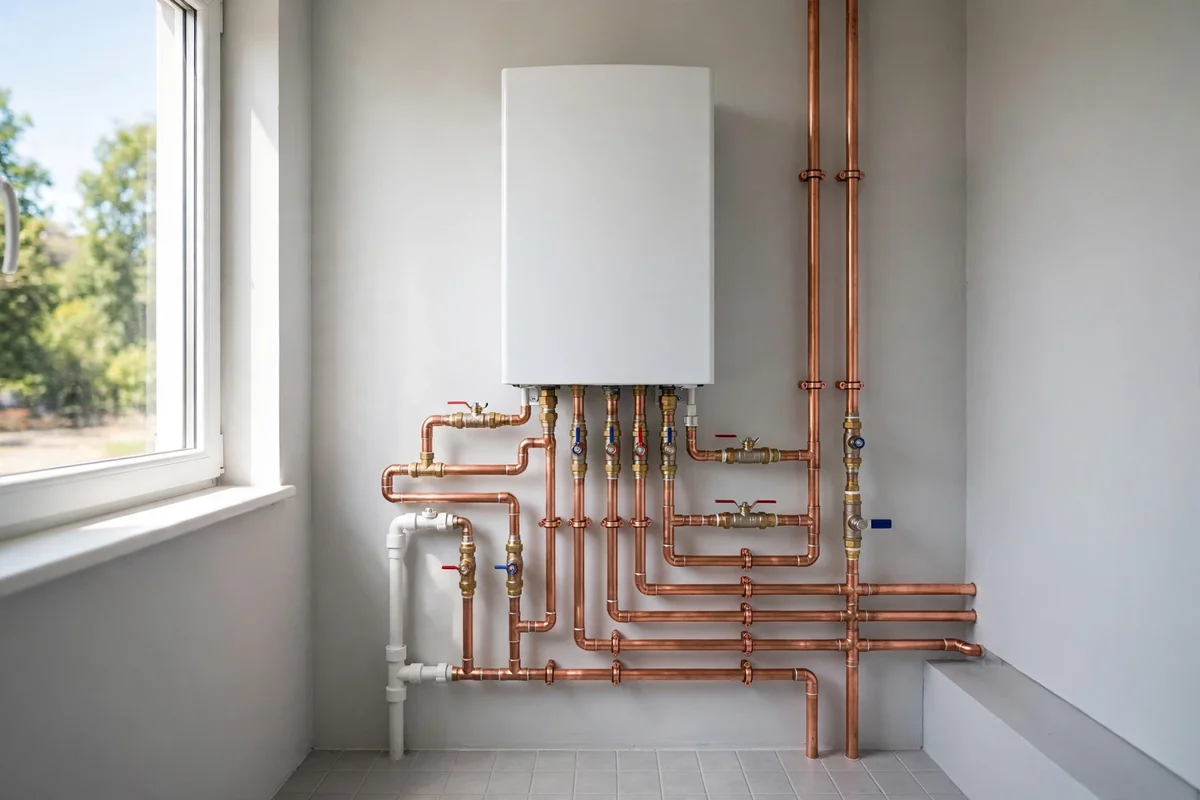
Milford straddles the Mispillion River, and its houses range from downtown Victorians to newer subdivisions south of town. We repair and replace boilers across Milford, with attention to river damp, older pipe, and the long heating season of central Delaware.
Milford boiler work covers repairs, replacements when repair stops making sense, and care for the radiators, baseboards, and controls in homes on both sides of the river. Our work covers hot water and steam systems, gas and oil units, and combi boilers that heat both the house and the hot water.
A Milford repair call often starts with a familiar story: a boiler that locks out on a cold morning, a radiator that stays cold at the far end of the house, or a pressure gauge that creeps up and then drops. We test the system before swapping parts, because a lockout can come from a vent, a pump, a control, or a blocked condensate line, and each needs a different fix. Radiator work follows the same path, with vents and valves checked across the loop, not just at the cold radiator. When replacement is right, we size the new boiler to the house as it stands, with its additions and insulation, rather than copying the size of the old unit. Our services page covers the full range, from emergency repair and installation to maintenance, steam service, and controls.
Downtown shops and offices along Walnut Street run into the same problems at a larger scale. A small business with a failing boiler loses a day of trade with every cold morning, so we check every zone in the building and explain the options plainly. Homes toward the edge of town, where houses sit on larger lots, often run longer pipe runs, and those long runs are where air and balance problems hide.
Milford boilers run hard from November to March, sit idle while river humidity fills the basements, and show faults at the autumn and spring changeovers. A seasonal rhythm catches those faults while they are still small, and the autumn check is the one that matters most.
Spring is for the aftermath of winter: flushing sediment that settled during months of steady running, replacing vents that hissed, and checking fittings that spent the season in damp basement air. Summer suits bigger work, since a replacement or a new zone fits easily while the house is warm and the boiler is idle. Autumn is the main check, when we fire the system from cold, bleed every radiator, test the controls, and watch a full heat cycle from startup to shutdown. Winter is for watching: a pressure gauge that drifts, a new noise from the pump, or a room that cools before the rest all deserve a call while the fix is still simple.
The Mispillion River shapes the calendar too. Humid air off the river keeps Milford basements damp through summer, and damp air rusts fittings while a boiler sits idle. A dehumidifier in the boiler room, clear space around the unit, and a late-summer service visit together keep an idle boiler from seizing when October calls it back.
Boiler losing pressure in Milford? Call us and describe the gauge reading and the noise.
Downtown Milford sets the pattern, with older houses along Walnut Street and the streets that cross the Mispillion River, many of them running hot water radiators or baseboards from a basement boiler. The Milford Shipyard Area Historic District holds some of the oldest houses in town, where iron pipe and cast iron radiators still carry the heat.
North of downtown, the houses along North Walnut Street and the roads toward Lincoln mix older homes with newer builds, and the systems mix just as much: a converted steam house next to a new home with a wall-hung combi boiler. South Milford, toward the roads that lead to Ellendale and Georgetown, holds newer subdivisions on larger lots, where long pipe runs and multiple zones are the norm and a single thermostat rarely describes the whole house. The riverwalk district, around the Mispillion Riverwalk and the downtown shops, brings small commercial buildings and apartments above storefronts, where a shared boiler serves several spaces and a fault affects more than one household. Milford carries a single ZIP code, 19963, which covers the town on both sides of the river and both counties it straddles, Kent and Sussex, so a Milford address tells us the town but not the system, and we always check on site.
That mix is why we ask about your street and your radiators when you call. A downtown Victorian with cast iron radiators, a north-side ranch with baseboards, and a south-side subdivision home with zones each need a different approach, and knowing which one waits for us shapes the visit.

Milford housing tells the town's history in brick, frame, and siding. Downtown Victorians and early twentieth-century houses carry cast iron radiators and iron pipe, postwar ranches carry baseboards, and the newest subdivisions carry wall-hung boilers and zoned loops. Each era needs its own approach.
The downtown houses need the most patience. Iron pipe sheds scale into the boiler over decades, so flushing and water treatment matter more here than in a new system, and old valves may not have moved in years. A valve that will not turn is not a reason to force it, since forcing a stuck valve in an old house can crack a fitting and turn a small job into a leak. Postwar ranches face the opposite wear: a boiler sized for a drafty original house now short-cycles in a home that has been insulated and re-windowed, which wears ignition parts and leaves rooms uneven. Newer subdivision homes run efficient units, but their zoned controls add a layer of complexity, and a zone that never calls for heat can look like a boiler fault when it is really a control fault.
Water quality plays a quiet role across all three eras. Milford city water carries minerals that leave scale in heat exchangers and narrow older pipe from the inside, and the effect compounds over years without flushing. We check for scale whenever we open a boiler that has run a long time without service, and we talk through flushing as part of maintenance, not as an add-on. That mix is why a Milford visit starts with the era of the house.
Milford landmarks make it easy to describe where you live. The Mispillion Riverwalk runs along the river through downtown, the Milford Museum sits near the river, and Causey Mansion stands as one of the town's historic houses. Walnut Street, the town's main spine, crosses the river and carries the shops, cafes, and the weekly farmers market at the riverwalk.
Those landmarks help us plan the route. A call from downtown and a call from the subdivisions south of town are different trips, and the roads toward Lincoln and Ellendale need a different approach than the streets around the riverwalk. For a bite after a service visit, Mispillion River Brewing sits on the edge of town, and the downtown cafes along Walnut Street serve the riverwalk crowd. For travel, Philadelphia International Airport is the nearest large airport to the north, and Dover, the state capital, sits about twenty miles north on Route 1. Bayhealth Sussex Campus serves Milford itself, and Killens Pond State Park, a short drive north, marks the direction of Dover for anyone new to the area.
When you call, a landmark and a cross street save time. Tell us the symptom, the kind of radiators you have, and whether your basement runs damp, and we will talk through what to check while we arrange the visit.
Milford weather runs humid subtropical, with hot, sticky summers and winters that swing between mild damp and hard cold. That swing is harder on a boiler than steady cold, because every freeze and thaw moves water, air, and metal. That swing is why Milford service follows the seasons, not a fixed date.
The symptoms follow the weather. A boiler that copes in a mild December week can fail during a January cold snap, when a weak circulator or a tired igniter finally gives out. Damp air off the Mispillion River keeps basements humid year round, which rusts fittings and lets air collect in high radiators, so a radiator that gurgles in autumn often points to damp as much as to air. Summer idleness brings its own fault: a pump that sat all summer may hum without turning when autumn calls it back, and a condensate line that dried out can block on the first cold firing. The Delaware Department of Natural Resources and Environmental Control publishes guidance on state environmental programs on the DNREC website, and its pages on water and air give useful background on the damp, low-lying conditions that shape heating here.
We plan service around that cycle. A late-summer tune-up catches stuck pumps, tired vents, and weak ignition before the heating season, and a midwinter check looks for strain that only sustained cold reveals. Small habits help as well: keeping the boiler area clear, wiping down a sweating pipe, and calling when a radiator stays cold for more than a day, rather than waiting for the whole house to go cold.
A lockout means the boiler tried to fire and stopped for safety, and cold mornings expose the weakest part first. Check that the thermostat is calling for heat, that the boiler has power, and that the pressure gauge sits in its normal range. If the unit locks out again after a reset, leave it off and call us, since repeated resets can mask the real fault.
A radiator cold at the top usually holds trapped air, which rises to the highest point in the radiator and blocks hot water from filling it. Bleeding the radiator through its vent often restores heat, but if the problem returns within days, the system may be drawing air in through a fitting or the expansion tank may need attention.
Yes, damp air rusts valve stems, vent threads, and control parts, and Milford basements near the Mispillion River run damper than most. Over years, rust seizes valves and causes intermittent control faults that are hard to trace. Ventilation, clear space around the boiler, and a dehumidifier through humid months all slow the damage, and we check for rust at every maintenance visit.
Judge the boiler by its recent record. One repair after years of reliable heat is usually worth doing. But a boiler that breaks down every season, seeps at seals, or will not hold pressure when temperatures drop is telling a different story. We review the boiler, the radiators, and changes in the house, then compare the repair route with replacement so you can choose.
A combi boiler heats the house and makes domestic hot water from the same unit, without a separate hot water tank. It suits smaller Milford homes and homes where a tank takes up needed space. Larger homes with several bathrooms running at once may need a different setup, since a combi heats water on demand and can struggle when two showers and a washing machine call at once.
Yes, we cover the whole town, from downtown and the Shipyard Historic District through North Walnut Street to the subdivisions south of town, on both the Kent County and Sussex County sides of the river. The single ZIP code 19963 covers the town, and the system in each part of town gets treated on its own terms.
Tell us your street, the kind of radiators you have, and what changed before the problem started. We will talk through the next step and arrange a visit.
One unit for heat and hot water, a good fit for smaller Milford homes and homes short on space.
Learn more →A seasonal check that catches stuck pumps and tired vents before Milford winter arrives.
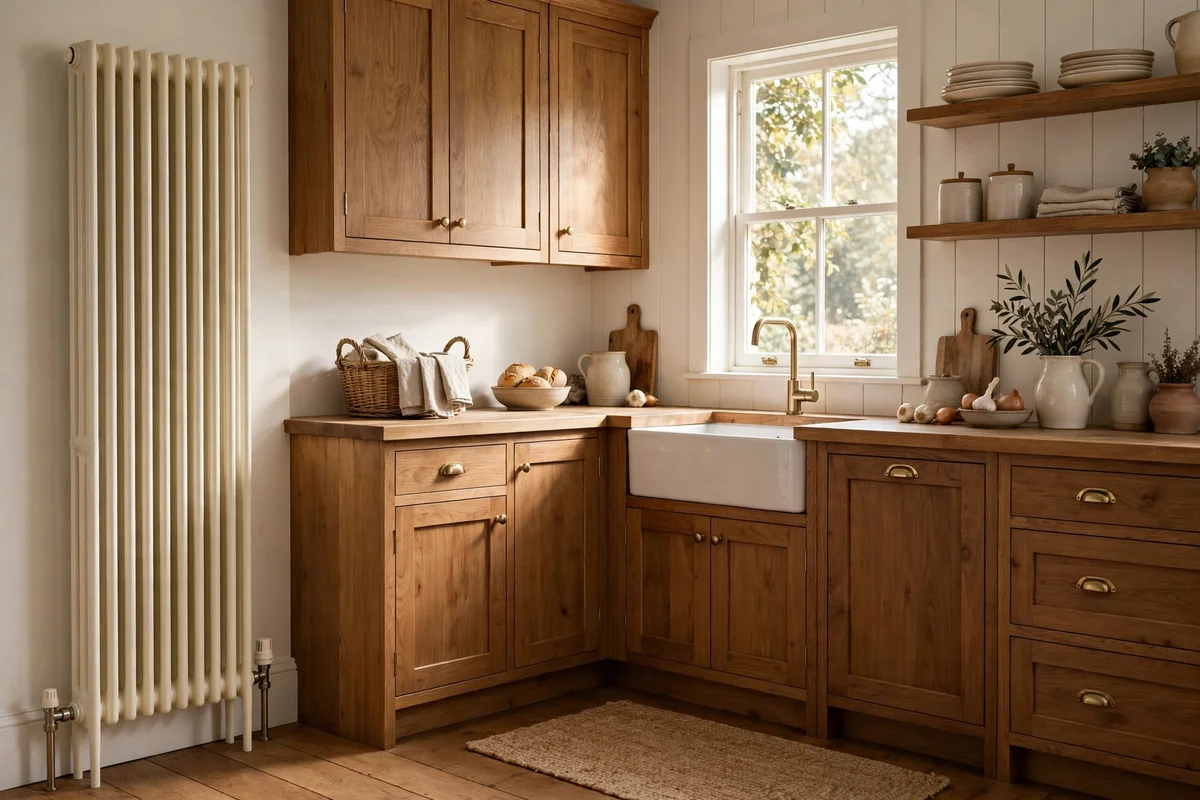
Learn more →Cold, noisy, or leaking radiators, from downtown cast iron originals to new panel radiators.
Learn more →Last updated: October 26, 2026.