Boiler Installation
New boiler installs planned around building size, pipework, and venting routes.
Learn more →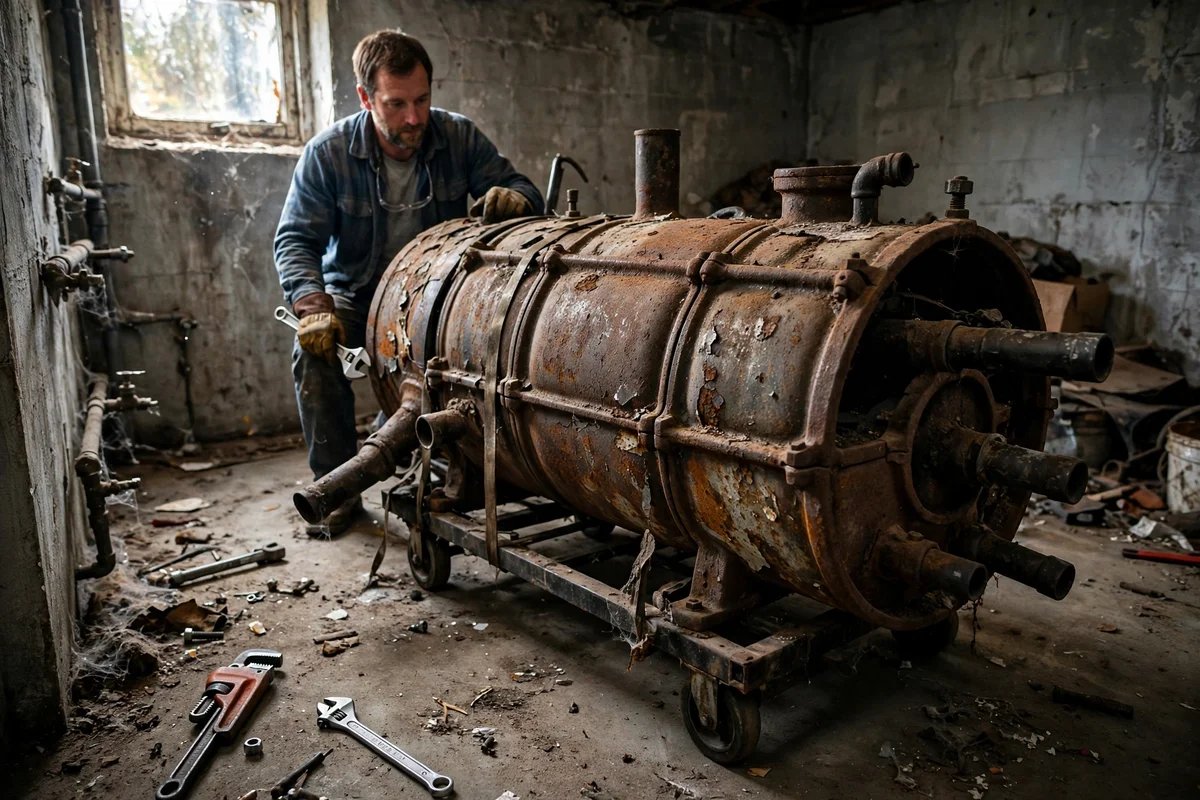
When a boiler keeps failing, heats unevenly, or costs more attention than it returns, a planned replacement ends the cycle. We size the new unit to the building, not to the old nameplate.
The repair-or-replace question turns on frequency, not on a single breakdown. One failed part on an otherwise sound boiler is a repair. Repeated failures, rising attention, and heat that never feels even point toward replacement. Tell us how often breakdowns happen and which parts have failed before.
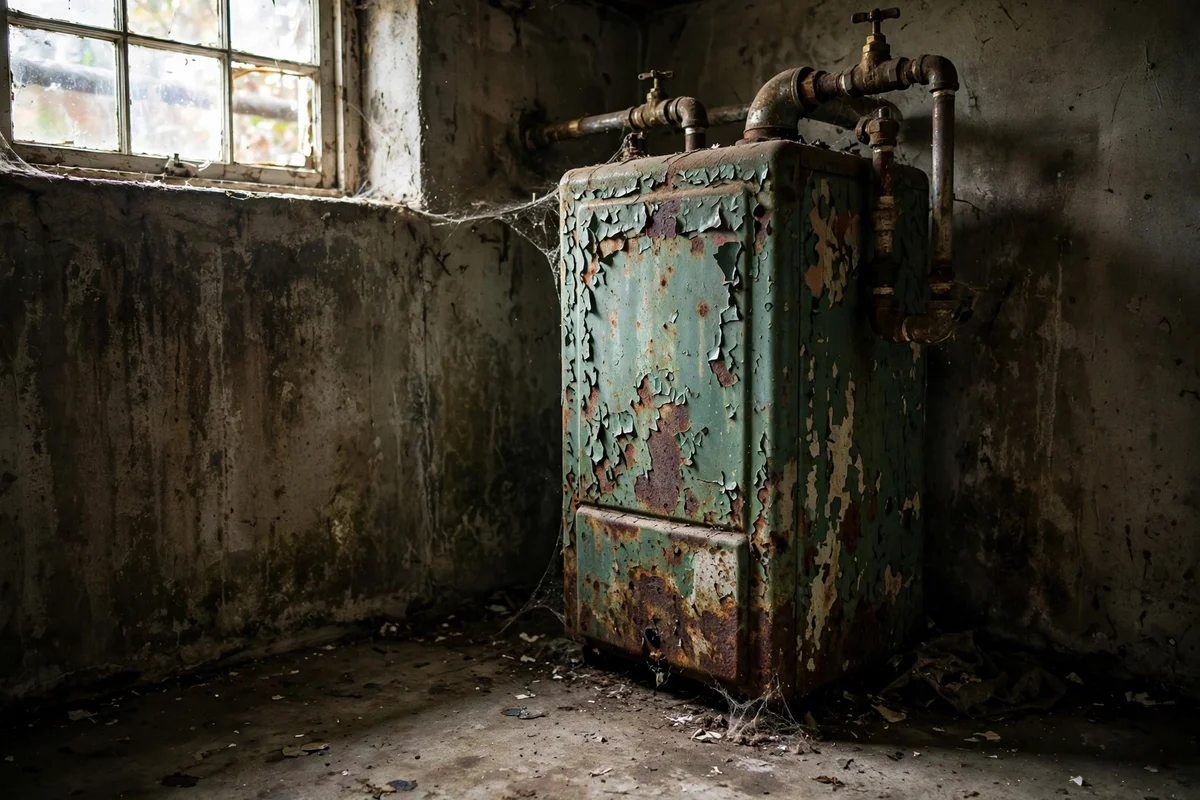
We look at the pattern behind the breakdowns. A boiler that fails in a different place each season, that needs frequent bleeding or topping up, or that leaves far rooms cold despite repairs is telling you the system as a whole is worn, not just one part. Corrosion on the heat exchanger, a cracked section, or a burner that can no longer be set cleanly are deeper problems than a single valve or sensor. We explain what we find in plain words, what a repair would fix, and what it would leave untouched, so you can weigh a repair that buys a season against a replacement that resets the clock.
Age alone does not settle the question, and neither does one expensive part. A well-kept boiler can run past the point where a neglected one fails, while a younger boiler with chronic water quality problems can wear out early. That is why we check water condition, pipework, emitters, and controls alongside the boiler itself. If the pipework and radiators are sound, a replacement boiler slots into a healthy system. If the water is dirty or the emitters are blocked, we say so and plan the extra work with the replacement, rather than fitting a new boiler onto a sick system.
A replacement is planned, not improvised. We survey first, agree the new unit and pipework changes, then book the work so the heating gap falls on a day that suits the building. We explain the heating gap timing before the job starts, so the building can plan around it.
On the day, we isolate fuel, water, and power, drain the system as needed, and disconnect the old unit. The old boiler is removed from the boiler room, and the space is cleared for the new unit. Pipework is adapted where the new boiler connections sit in different places, and we fit new isolation valves, a filling point, and a relief route that suit the new model. The flue is checked against the new boiler instructions, and the condensate drain is run where a condensing model requires one. Where the old system used a different fuel or venting style, that change is planned before the day, not discovered during it.
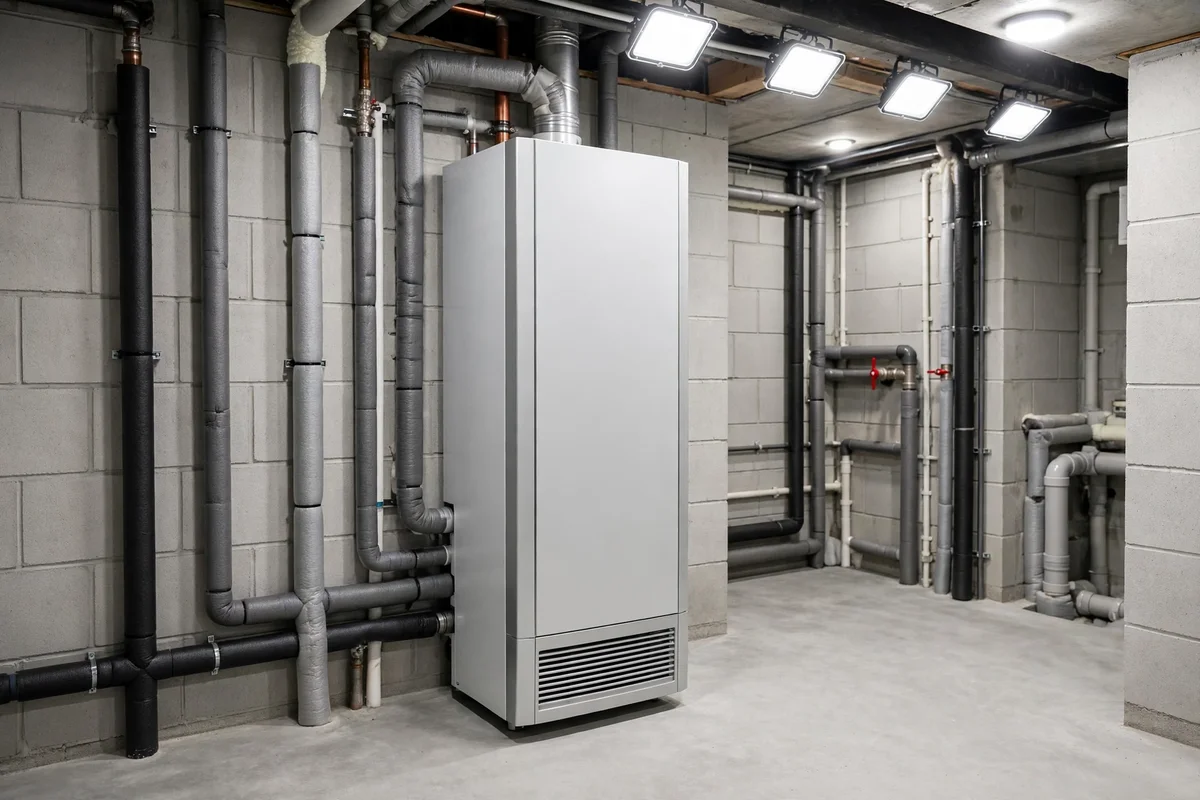
Commissioning is where a replacement earns its keep. We fill slowly, vent air, check joints cold and then warm, set the burner to the maker settings, and test controls zone by zone. Radiators are balanced so far rooms receive their share of flow, and the thermostat is checked against real room temperatures. We walk you through pressure readings, thermostat use, and the first-week signs worth noting. The job is finished when the system heats evenly, holds pressure, and runs quietly, not merely when the new unit is piped in.
Tired of repeat boiler breakdowns? Call (302) 555-0147 and talk through replacement options.
Call (302) 555-0147A replacement is the best moment to fix an old sizing mistake, because the new boiler can be matched to the building as it stands today. Extensions, new windows, added insulation, and rooms put to new uses all change heat demand.
We measure the building again rather than copying the old boiler size. Rooms are measured, ceiling heights noted, window areas checked, and cold spots discussed. A boiler sized to the current load heats steadily, while an oversized unit short cycles and an undersized unit runs flat out and still leaves rooms cool. Emitter sizes matter too: radiators sized for very hot water may need attention if the new boiler is set to run cooler for efficiency. We explain any emitter work plainly, so the replacement does not arrive with a surprise attached.
Fuel choice is revisited at the same time. A building that moved from oil to gas, or one considering that switch, needs the fuel question settled before the replacement boiler is ordered, and our oil-to-gas boiler conversion page covers that path. Hot water needs are revisited as well: a household that now runs more showers or a business that added washrooms may need a different tank arrangement than the old setup provided. Getting those questions answered during the survey keeps the replacement aligned with the building for years, rather than locking in an old arrangement.
Wondering whether to repair or replace? Call (302) 555-0147 and we will compare the two paths honestly.
Call (302) 555-0147The first season with a replacement boiler is a learning period for the system and for the owner. Rooms that were chronically cold may now heat well, and controls that once ran flat out may now need gentler settings. Note any change in room warmth during the first weeks and share that note with us.
Keep a short note of any room that stays cool, any radiator that needs bleeding more than once, and any pressure change on the display. Those notes guide balancing tweaks and control adjustments that fine-tune the install. A new boiler on dirty system water will wear sooner, so if the old water looked dark or radiators heat unevenly, ask about system flushing and water treatment alongside the replacement. Clean water protects the new heat exchanger and keeps emitters heating evenly.
Planned care after replacement is simple and regular. Ask about boiler maintenance and tune-up to keep the burner and controls checked, and see our service areas page for the areas we cover across Delaware. A careful replacement, clean water, and steady care give the new boiler the best chance of long, quiet service.
A replacement boiler connects to pipework that may be decades old, and that pipework deserves its own assessment rather than being assumed sound because it still holds water. Old steel pipes corrode from the inside, old joints weep slowly, and old valves seize, and each of those conditions affects a new boiler.
We inspect visible pipework during the replacement survey, noting corrosion, weeping joints, and valves that will not turn, and we explain which runs should be replaced with the boiler and which can safely stay. Replacing a short run of corroded pipe during a replacement job is far simpler than replacing it after a new boiler is commissioned and the system is refilled. Disposal of the old boiler is agreed in advance, including removal route, stair and door access, and any tank or flue material that must also go. A replacement that addresses pipework and disposal together leaves a tidy boiler room, sound connections, and a new boiler that is not asked to compensate for failing pipework from its first day.
Replacement makes sense when breakdowns repeat, when a major internal part has failed, or when heat stays uneven despite repairs. A single failed valve or sensor on a sound boiler is usually a repair. We compare the repair scope with the boiler condition and explain both paths before you decide.
Yes, but the emitters and pipework must suit the new type. A steam system cannot simply take a hot water boiler, and a combi unit needs enough water flow for taps and showers. We check emitters, pipework, and hot water demand during the survey before recommending a type change.
Yes. We disconnect the old unit, remove it from the boiler room, and leave the area tidy for the new install. Stairs, narrow doors, and access routes are worth noting in advance, so the removal plan fits the building without surprises.
Most replacements take a day or two on site, depending on pipework changes, flue work, and removal access. We explain the expected schedule after the survey, including how long heating will be off during the changeover. Radiator count, pipework changes, and removal access are worth noting during the survey.
Sound radiators usually work well with a new boiler, provided valves function and sizes suit the new water temperatures. We check each emitter during the survey and flag any that are blocked, leaking, or too small for the room. Valve condition and radiator sizes are worth noting during the survey.
It depends on tank condition and household demand. A sound tank can stay, while a leaking or undersized tank may be worth replacing during the same job to avoid a second heating gap later. We assess both and explain the trade-off.
We take the old unit away from the boiler room and leave the space clear for the new install. If any part of the old setup must stay, such as a tank or a section of pipework, we agree that with you before the job starts.
Yes. We replace boilers in homes and businesses across Delaware. For larger buildings, we also check zone controls, multiple emitters, and any areas with different heating schedules before sizing the new unit. Zone count, emitter types, and different heating schedules are worth noting.
Watch for cold rooms, radiators needing frequent bleeding, pressure changes, and new noises in the first weeks. Those notes help us balance the system and adjust controls. Call us if pressure falls steadily or water appears near the boiler. Pressure changes, noises, and cold rooms are worth noting in the first weeks.
Tell us what keeps failing, and we will explain the repair path and the replacement path in plain words.
New boiler installs planned around building size, pipework, and venting routes.
Learn more →Steady care that keeps a new boiler clean, checked, and running evenly.
Learn more →Clean system water that protects a new heat exchanger from sludge and scale.
Learn more →Last updated: October 26, 2026.