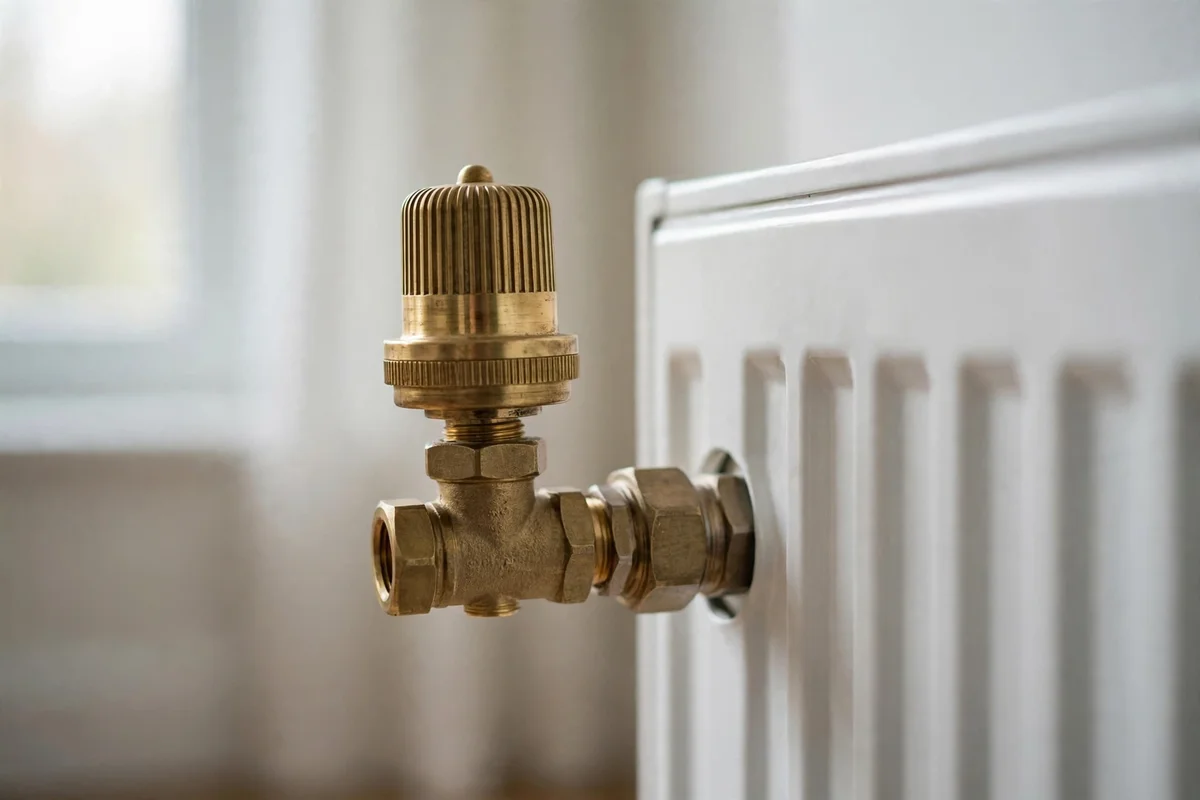
Radiator Repair and Installation
Stuck valves, cold radiators, and balancing for Pike Creek split-levels and colonials.
Learn more →
Pike Creek sits in a wooded valley between Newark and Hockessin, with split-levels and colonials from the subdivisions that filled the valley decades ago. We repair and replace boilers across Pike Creek, with systems that suit wooded lots, long driveways, and houses built for the valley.
Pike Creek winters run colder than the coastal plain, and the wooded valley holds damp air long after a cold snap passes. A boiler that copes in a mild week can fail when a hard freeze settles into the valley and every zone calls at once.
The symptoms follow the valley. Pipes in unheated corners, especially in split-levels where a lower level sits partly below grade, lose heat fast and can freeze during a hard cold snap, which shows up as a loop that will not circulate or a joint that bursts when it thaws. Damp air from White Clay Creek keeps basements humid, which rusts valve stems and vent threads, so a radiator that hisses in autumn often points to damp as much as to air. Summer idleness brings its own fault: a circulator pump that sat all summer may hum without turning when October calls it back, and a zone valve that sat can stick on the first call.
We plan service around that cycle. A late-summer tune-up catches stuck pumps and valves, tired vents, and weak ignition before the heating season, and a midwinter check looks for strain that only sustained cold reveals. The ENERGY STAR boilers page at energystar.gov/products/boilers gives a plain-terms overview of boiler types and efficiency, which helps when you are weighing a replacement against another repair.
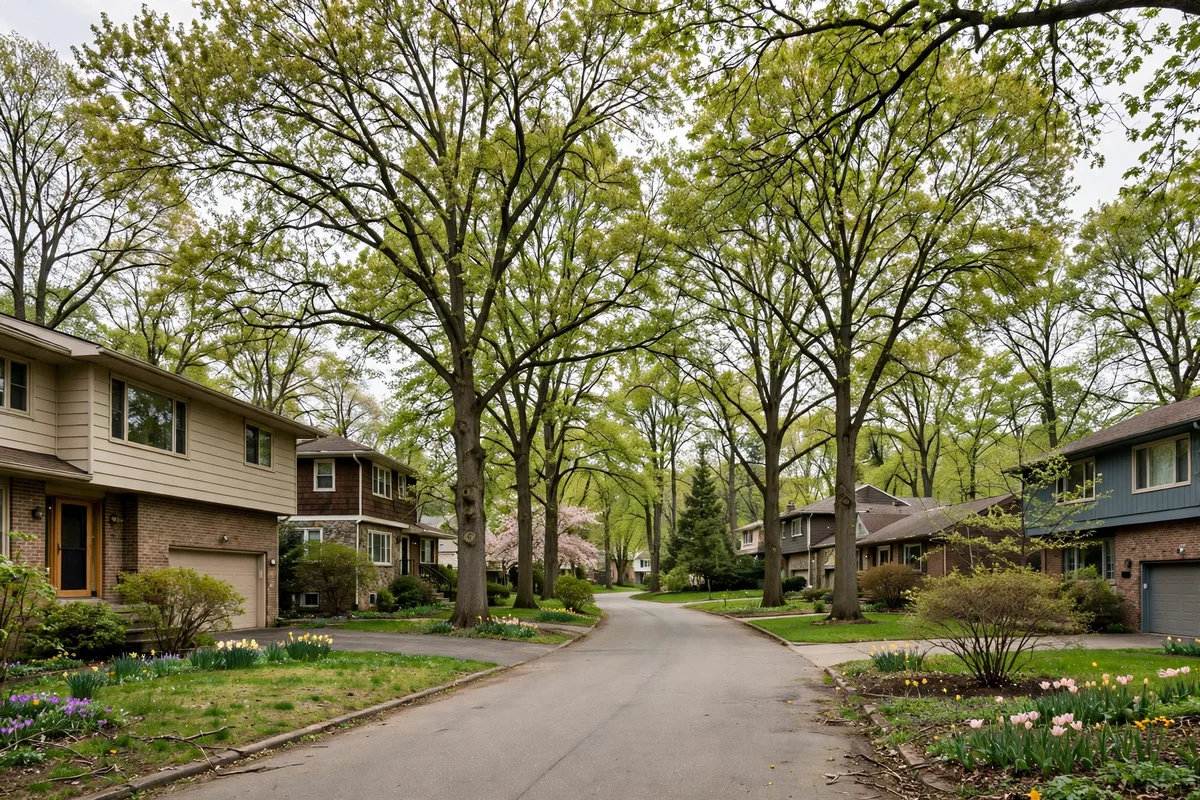
Pike Creek Valley anchors the area, with split-levels and colonials on wooded lots along the valley roads, many of them running hot water baseboards or radiators from a basement boiler. The Carousel Farm Park side of the valley holds similar subdivisions, where houses back onto open parkland and the boiler sits in a basement that stays cool year round.
The Middle Run side, toward the natural area of the same name, mixes older subdivisions with newer infill, and the systems mix just as much, with original baseboards beside renovated panel radiators. The White Clay Creek side, near the state park boundary, holds houses on larger, wooded lots, where long pipe runs and multiple zones are the norm. The Limestone Road corridor carries the commercial edge of Pike Creek, with shops and offices whose boilers serve public spaces, while the Kirkwood Highway edge and the Newark border side hold townhouses and smaller lots where a compact boiler serves the whole home. The Hockessin border side, toward the north, leans toward larger lots and estate-style houses. Pike Creek carries ZIP code 19808, which covers the valley and the surrounding subdivisions, so a Pike Creek address tells us the valley but not the system, and we always check on site.
We ask for your neighborhood and street on every call because they narrow the search. A valley split-level with baseboards, a townhouse near the Kirkwood Highway edge, and a wooded-lot colonial near White Clay Creek each need a different first check, and knowing which one waits for us shapes the visit.
Radiator valve stuck in Pike Creek? Call us and tell us which rooms run cold.
Pike Creek housing comes mostly from the subdivisions that filled the valley in the middle of the last century, with split-levels, colonials, and ranches on wooded lots. Those houses share a heating pattern: a single boiler in the basement, hot water loops to baseboards or radiators, and additions that stretched the original loop.
Split-levels bring a particular puzzle. The levels sit at different heights, so air collects at the highest radiators while sediment settles at the lowest point of the loop, and a system that was balanced when the house was built can drift as rooms are added or finished. A finished lower level, common in Pike Creek, adds a zone that the original boiler never planned for, and that zone often runs cold first. Colonials face a different wear: taller houses mean longer vertical runs, so the top floor depends on circulation that a tired pump cannot always deliver. Ranches, with everything on one level, hide the opposite fault, since a single long loop can lose heat along its length and leave the far rooms cool.
Wooded lots add their own pressure. Shade keeps basements cool and damp, which rusts fittings over time, and leaf litter can block exterior vents if it piles against a vent termination. We check vent terminations and basement dampness on Pike Creek visits for that reason, along with the loop itself. Knowing the house type tells us where to look first, and we still verify on site before we touch anything.
Pike Creek boiler work covers repairs, replacements when repair stops adding up, and care for radiators, baseboards, vents, and controls. Hot water systems dominate here, along with steam in the oldest houses and combi units in smaller homes. Split-levels and colonials each get checked on their own terms.
A repair call in Pike Creek often starts with a level, not a boiler. One floor cold, one wing that lags, or a radiator at the far end of a long run that never warms each point to circulation, air, or a valve, and we test the loop before condemning the boiler. Radiator valves get special attention, because a thermostatic valve that sticks shut leaves its radiator cold while the rest of the house heats, and the fix is a valve, not a boiler. When replacement is right, we size the new unit to the house and its zones as they stand today, since additions and finished levels have changed many Pike Creek homes since their first boiler went in. Our services page lists the full range, from emergency repair and installation to maintenance, radiator work, and boiler controls.
Small commercial buildings along Limestone Road get the same treatment. A shop with a failing boiler loses a day of trade with every cold morning, so we check every zone and explain the options plainly, without jargon.
Pike Creek landmarks make describing your home easy. Carousel Park, with its lake, meadows, and equestrian center, anchors the valley, White Clay Creek State Park stretches along the creek to the south and west, and Middle Run Natural Area sits nearby with wooded trails. Together they mark the three sides of the valley that Pike Creek fills.
Those landmarks help us plan the day. A call from the Carousel Park side and a call from the White Clay Creek side are different routes, and the Limestone Road corridor needs a different approach than the wooded back roads toward Hockessin. For a walk after a service visit, the trails at Carousel Park and Middle Run draw Pike Creek residents year round, and the park's equestrian center is a familiar marker for the valley. For travel, Philadelphia International Airport is the nearest large airport, and Wilmington Airport sits to the east. ChristianaCare Christiana Hospital in nearby Newark is the closest large hospital, with Wilmington Hospital a short drive northeast.
When you call, a landmark and a cross street save time for everyone. Tell us the symptom, the kind of heat emitters you have, and whether your house is a split-level, a colonial, or a ranch, and we will talk through what to check while we arrange the visit. Kabab and Curry in the Pike Creek Shopping Center on Limestone Road is a well-known local restaurant, handy as a landmark when you describe your home.
Pike Creek boilers run from November through March, rest through valley-humid summers, and expose faults at the autumn and spring changeovers. A seasonal rhythm catches those faults while they are still small, and the autumn check is the one that matters most.
Spring is for the aftermath: flushing sediment that settled at the lowest point of the loop, replacing vents that hissed, and checking valves that cycled all winter. Summer suits bigger work, since a replacement or a new zone fits easily while the house is warm and the boiler is idle. Autumn is the main check, when we fire the system from cold, bleed every radiator, test the controls, and watch a full heat cycle from startup to shutdown, so the first cold night does not become the first surprise. Winter is for watching: a pressure gauge that drifts, a new noise from the pump, or a level that cools first all deserve a call while the problem is still small.
Wooded lots deserve one extra habit: checking exterior vent terminations for leaf litter and debris in autumn, before the heating season starts. A blocked vent shows up as a lockout, not a cold room, and clearing it takes minutes when caught early. That habit, service at the changeover and attention during the season, is what keeps Pike Creek systems heating through the coldest weeks.
Split-levels put radiators at different heights, so air collects at the highest ones and blocks hot water from filling them. The top level also sits at the end of the longest pipe run, so it suffers first from a weak circulator or a valve that has stuck shut. Bleeding the top radiators and checking circulation for that level usually restores even heat.
No, forcing a stuck valve can crack a fitting and turn a small job into a leak, especially on older Pike Creek systems where valves may not have moved in years. A valve that will not turn usually needs freeing or replacing, and we handle it by isolating that radiator, draining it down, and fitting a valve that matches the system.
Yes, we cover the valley and the surrounding subdivisions, from the Carousel Park side through the Middle Run side to the White Clay Creek side, along the Limestone Road corridor and toward the Newark and Hockessin borders. The ZIP code 19808 covers the area, and the system in each part of the valley gets treated on its own terms.
That depends on the boiler, the house, and the pattern of breakdowns. A boiler that needs one repair after years of steady service is usually worth fixing. A boiler that breaks down repeatedly, leaks, or cannot hold pressure through a cold week is telling you something different. We look at the unit, the loops, and how the house has changed, then talk through the options.
Exterior vent terminations can block with leaf litter, especially on wooded Pike Creek lots in autumn. A blocked vent stops the boiler from exhausting safely, so the unit locks out to protect the house. Clearing the termination usually restores operation, but if the boiler locks out again after clearing, call us, since a blocked vent can also point to a venting or condensate fault that needs testing.
Damp air rusts valve stems, vent threads, and control parts, and shaded Pike Creek basements run damper than most. Over years, rust seizes valves and causes intermittent control faults that are hard to trace. Ventilation, clear space around the boiler, and a dehumidifier through humid months all slow the damage, and we check for rust at every maintenance visit.
Tell us your street, the kind of heat emitters you have, and what the system is doing differently. We will talk through the next step and arrange a visit.
Stuck valves, cold radiators, and balancing for Pike Creek split-levels and colonials.
Learn more →A seasonal check that catches stuck pumps and valves before Pike Creek winter arrives.
Learn more →Controls and zoning for Pike Creek homes where one level heats and another stays cold.
Learn more →Last updated: October 26, 2026.