Boiler Maintenance and Tune-Up
A seasonal check for rentals and family homes alike, catching stuck pumps and tired vents before winter.
Learn more →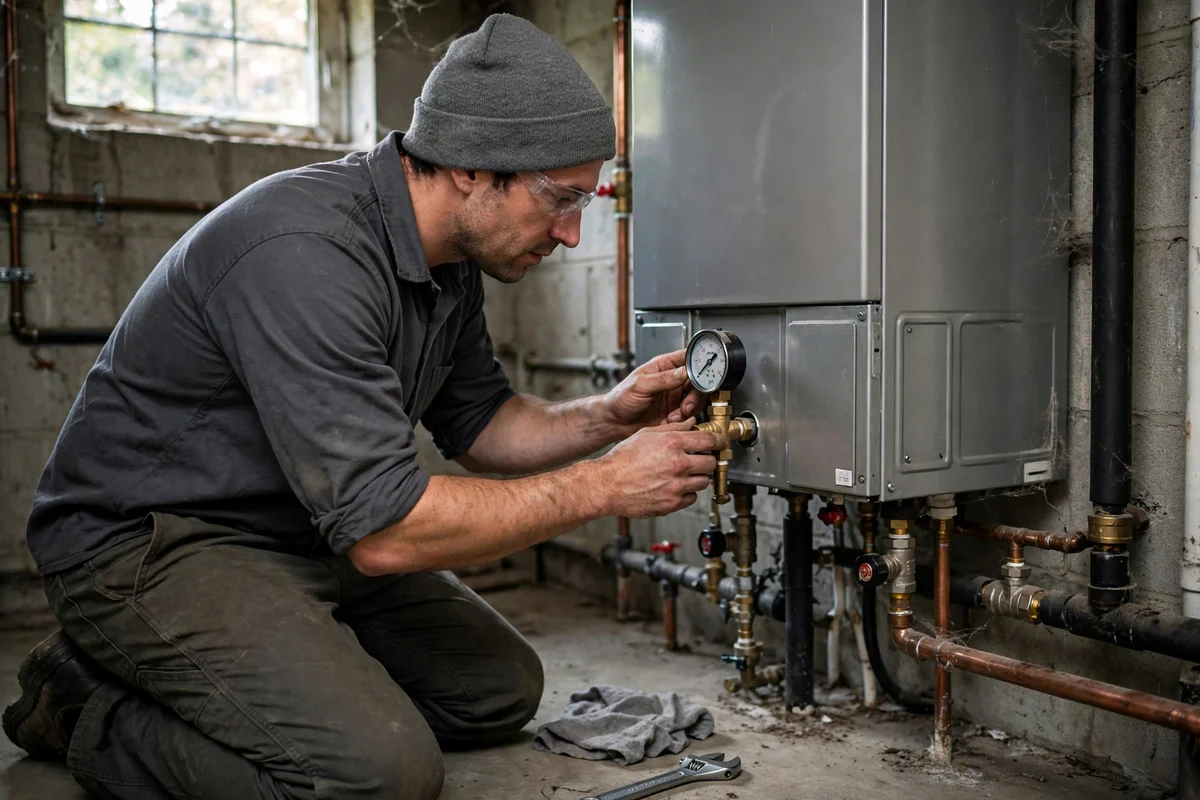
Newark mixes student rentals near campus, family homes on quiet side streets, and new builds toward Glasgow and Bear. We repair and replace boilers across the city, with systems sized to rentals, rowhouses, and single-family homes alike.
Newark housing falls into three clear groups, and each heats differently. Older homes near the university carry radiators and basement boilers, townhouses and duplexes near Main Street mix radiators and baseboards, and newer homes toward Glasgow and Bear run zoned hot water systems.
The campus-area houses work the hardest. Student rentals cycle through tenants, and a boiler in a rental often runs with little attention between tenancies, so vents stick, air builds up, and a small leak can run for months before anyone reports it. We check those systems end to end, because a rental boiler needs the same care as a family home, and a fault there affects several people at once. Townhouses bring a different puzzle: shared walls keep heat in, but a single zone serving two floors leaves the top floor cold while the ground floor roasts, and balancing the loop matters more than boiler size. Newer homes toward Glasgow run efficient boilers with zone controls, where a control fault can look like a boiler fault, and we test controls before condemning the unit.
Materials follow the same pattern. Cast iron radiators in the older homes hold heat long after the boiler stops, which suits a house that empties during the day and fills at night. Copper baseboards in townhouses respond fast but show every air bubble as a gurgle. Newer plastic and copper loops in the Glasgow corridor need flushing on schedule, since scale builds quietly in any system that never gets opened. Knowing which group a house belongs to tells us where to look first, and we still verify on site before we touch anything.
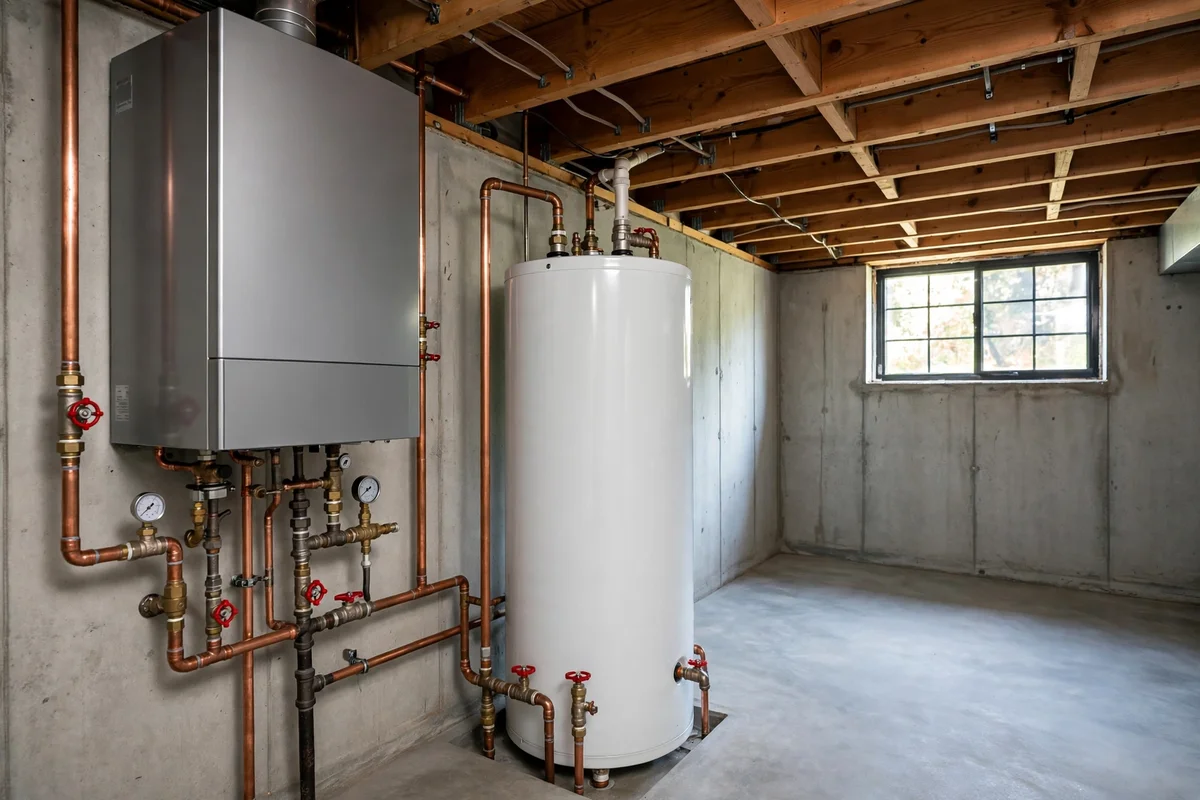
Downtown Newark, along Main Street and the streets beside the University of Delaware, holds the oldest housing in the city, with brick homes and converted houses. West Newark and Hillside Heights mix family homes with rentals, and the systems there mix just as much.
South Newark and Oaklands lean toward townhouses and duplexes, where baseboards and panel radiators dominate and a shared wall changes how heat moves through a home. Toward the east, the neighborhoods along Route 273 and the Ogletown Road corridor run newer, with subdivisions that favor zoned loops and wall-hung boilers. The Glasgow and Bear areas, just east of the city line, hold the newest builds, with larger homes, multiple zones, and longer pipe runs that hide balance problems. Newark ZIP codes map the same spread: 19711 covers the university and downtown core, 19713 reaches the eastern neighborhoods and the Brookside edge, and 19702 covers the western and southern streets, with 19716 and 19717 serving the outer edges.
We ask for your neighborhood and ZIP on every call because they narrow the search. A downtown house with steam, a Hillside Heights ranch with baseboards, and a Glasgow new build with zones each need a different first check, and knowing which one waits for us shapes the visit. Tell us the street and the radiator type, and we will talk through what to check before we arrive.
No heat in a Newark rental? Call us and tell us the boiler type and the symptom.
In Newark we fix boilers, fit replacements when fixing stops making sense, and tend the radiators, baseboards, vents, and controls in homes and rentals. Hot water and steam systems both sit inside our everyday work, as do gas and oil units and combi boilers. Rentals and family homes each get checked on their own terms.
Repair visits start with the symptom and work backward. A boiler that locks out, a radiator that stays cold, a pressure gauge that climbs, or a house where one floor heats and the other does not each point to a different part of the system, and we test before replacing parts. In rentals, we also check for the slow faults that tenants rarely report: a weeping valve, a vent that hisses, a pump that runs loud. When replacement is right, we size the new boiler to the radiators and the house as it stands, since insulation, windows, and finished basements have changed many Newark homes since their first boiler went in. Our services page lists the full range, from emergency repair and installation to maintenance, radiator work, and boiler controls.
Small commercial buildings along Main Street and the Elkton Road corridor get the same treatment. A shop or restaurant with a failing boiler loses a day of trade with every cold morning, so we check every zone and explain the options plainly, without jargon.
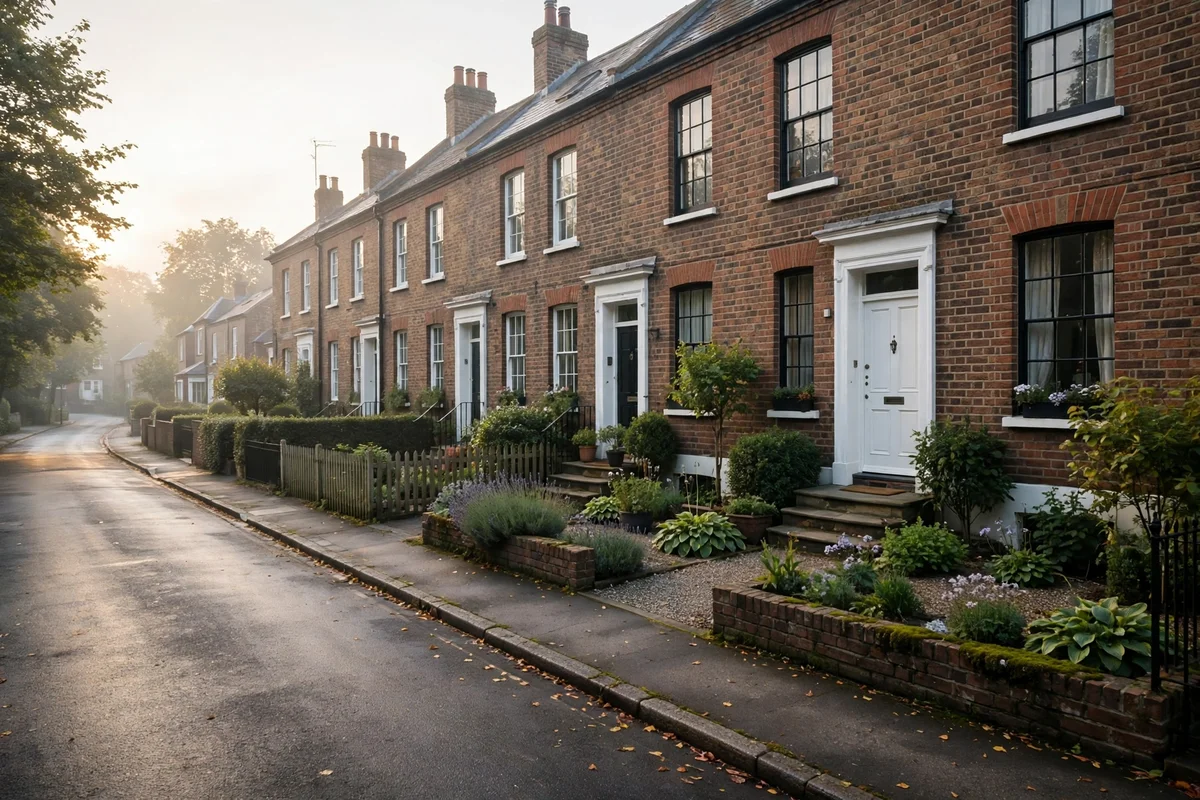
Newark winters bring damp cold off White Clay Creek and the low ground around the reservoir, with freeze-thaw cycles that move water, air, and metal through a heating system. A boiler that copes in a mild week can fail during a hard cold snap, when a weak part finally gives out.
The symptoms follow the weather. Radiators gurgle after a cold snap as air collects at high points in the loop. Pipes in unheated corners, especially along exterior walls and in crawl spaces, lose heat fast and can freeze, which shows up as a loop that will not circulate or a joint that bursts when it thaws. Humid summers matter too, because a boiler left idle for months can seize: a circulator pump that sat all summer may hum without turning when October calls it back. For background on boiler types and efficiency, see the ENERGY STAR boilers page at energystar.gov/products/boilers, which helps when you are weighing a replacement against another repair.
We plan visits around that cycle. Late summer is tune-up time, catching stuck pumps, tired vents, and weak ignition before the heating season, and midwinter is check time, looking for strain that only sustained cold brings to light. Everyday care helps: radiators clear of furniture, a boiler area clear of stored boxes, and a call when a radiator stays cold for more than a day, rather than waiting until the whole house goes cold.
Newark landmarks make describing your home easy. Main Street is the commercial heart of the city, running beside the University of Delaware campus, with the Newark Reservoir to the west and White Clay Creek State Park stretching north and east of town. The Bob Carpenter Center sits on the south side of campus, a familiar marker for the southern neighborhoods.
Those landmarks help us plan the day. A call from downtown and a call from the Glasgow corridor are different routes, and the streets around campus need a different approach than the subdivisions east of town. Main Street itself carries the restaurants Newark is known for, including Klondike Kate's, Home Grown Cafe, the historic Deer Park Tavern, and Grain Craft Bar and Kitchen, and it also marks the line between the campus area and the family neighborhoods south of it. For travel, Philadelphia International Airport is the nearest large airport, and Wilmington Airport sits to the northeast. ChristianaCare Christiana Hospital, just east of the city in Newark itself, is the closest large hospital.
When you call, a landmark and a cross street save time for everyone. Tell us the symptom, the kind of radiators you have, and whether the home is a rental or a family house, and we will talk through what to check while we arrange the visit.
Newark boilers heat from November through March, rest through humid summers, and give up their faults at the autumn and spring changeovers. A seasonal rhythm catches those faults while they are still small, and the autumn check is the one that matters most.
Spring is for the aftermath: flushing sediment, replacing vents that hissed all winter, and checking fittings that spent months in damp basement air. Summer suits bigger work, since a replacement or a new zone fits easily while the house is warm and students are away. Autumn is the main check, when we fire the system from cold, bleed every radiator, test the controls, and watch a full heat cycle from startup to shutdown, so the first cold night does not become the first surprise. Winter is for watching: a pressure gauge that drifts, a new noise from the pump, or a room that cools first all deserve a call while the problem is still small.
In rentals, the seasonal check matters even more, because a system that runs all winter with little attention builds up faults quietly. Landlords and tenants both benefit from a service visit between tenancies, when the house is empty and the boiler can be opened, flushed, and tested properly. That habit, service at the changeover and attention during the season, is what keeps Newark systems heating through the coldest weeks.
First check that the thermostat is calling for heat, that the boiler has power, and that the pressure gauge sits in its normal range. Note anything the display shows and whether the boiler makes a noise before it stops. If it locks out again after one reset, leave it off and call us, since repeated resets can mask the real fault.
Gurgling usually means air trapped at high points in the loop, and townhouses collect air at the top-floor radiators first. Bleeding the top radiators often quiets the system, but if the noise returns within days, the system may be drawing air in through a fitting or the expansion tank may need attention.
Yes, rentals near the University of Delaware are a large part of our Newark work. We check the whole system, not just the reported fault, because rental boilers often carry slow faults that tenants never report, like a weeping valve or a vent that hisses. We explain what we find in plain terms, so landlords and tenants both understand what needs doing and why.
A single zone serving two floors leaves the top floor at the mercy of balance, air, and valve condition. The upstairs loop is the longest run, so it suffers first from air, a weak circulator, or a valve that has stuck shut. On a hot water system, balancing the loop and bleeding the top radiators usually restores even heat.
The deciding factor is the pattern of trouble. A boiler with a long steady history that needs one repair is generally worth fixing. A boiler that fails repeatedly, leaks, or loses pressure through a cold week has usually moved beyond sensible repair. We inspect the boiler and radiators, take account of changes to the house, and talk through repair and replacement honestly.
Yes, we cover Newark and the nearby Glasgow and Bear areas, where many Newark families live in newer subdivisions. The systems there run zoned hot water loops and wall-hung boilers, which need a different first check than a downtown steam house. Tell us your neighborhood and ZIP, whether 19711, 19713, or 19702, and we will treat the system on its own terms.
Tell us your neighborhood, the kind of radiators you have, and what the system is doing differently. We will talk through the next step and arrange a visit.
A seasonal check for rentals and family homes alike, catching stuck pumps and tired vents before winter.
Learn more →Zoning and controls for Newark townhouses and duplexes where one floor heats and the other does not.
Learn more →A boiler that stops in cold weather or will not hold pressure in a Newark home or rental.
Learn more →Last updated: October 26, 2026.