Boiler Controls and Zone Heating
Zone valves and controls for Hockessin homes where one wing heats and another stays cold.
Learn more →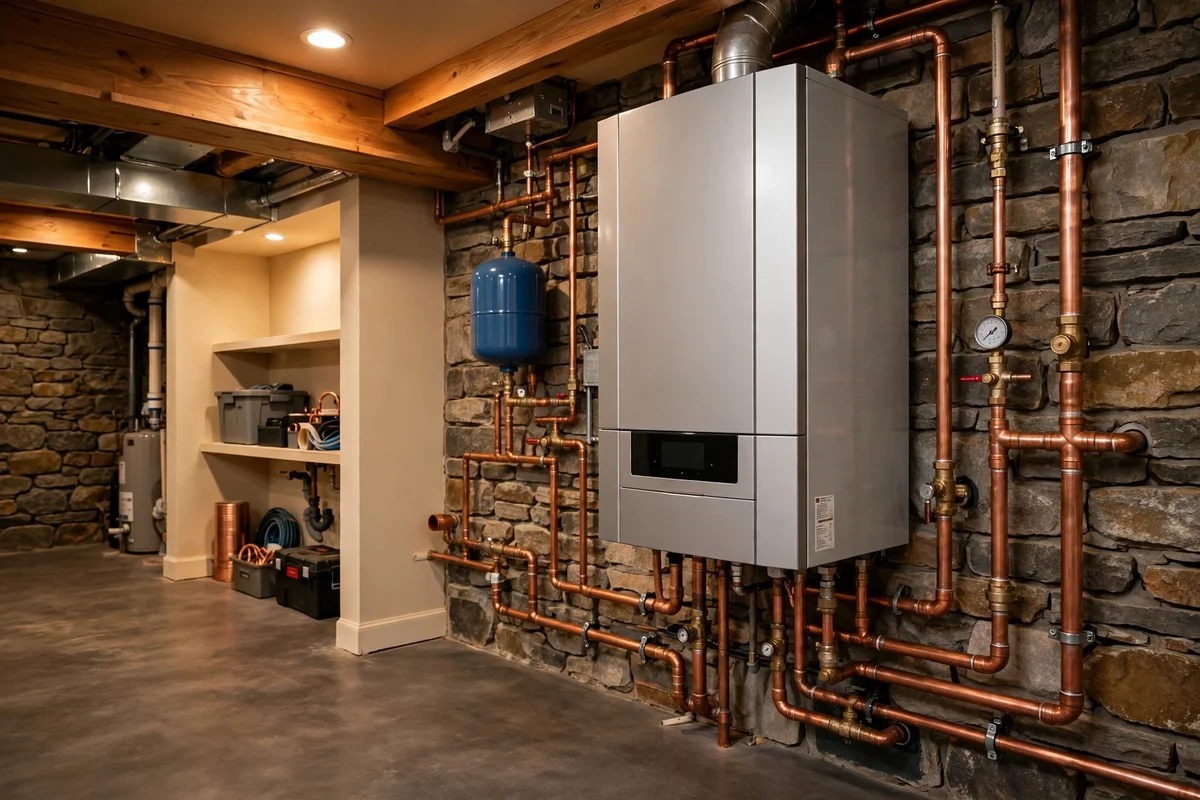
Hockessin homes sit on rolling ground north of Wilmington, with larger houses, multiple zones, and heating systems to match. We repair and replace boilers across Hockessin, with care for zoned loops, radiant floors, and the older estates along Lancaster Pike.
Hockessin spreads across rolling hills, and its neighborhoods each heat a little differently. Hockessin Hunt and Stenning Woods hold larger homes with multiple zones, where one boiler feeds several loops and a fault in one zone leaves one wing cold while the rest stays warm.
Cannon Ridge and Cornish Hills mix newer subdivisions with established streets, and the systems there mix wall-hung boilers, baseboards, and panel radiators in the same house. Hockessin Chase, Pierson's Ridge, and Hockessin Mews lean toward townhouses and smaller lots, where a compact boiler in a utility closet serves the whole home and airflow around the unit matters. Farther out, Jarrell Farms, Breckenridge, and Lambeth Riding hold larger lots and estate-style houses, where long pipe runs and radiant floors add layers that a single-zone system never faces. Southwood and Valley Grove sit closer to the village center, with family homes where a boiler added during a renovation now feeds both original radiators and newer baseboards. The whole area carries ZIP code 19707, which stretches well beyond the village itself, so a Hockessin address tells us the area but not the system, and we always check on site.
That spread is why we ask for your neighborhood when you call. A zoned estate in Hockessin Hunt, a townhouse in Hockessin Mews, and a renovated home in Valley Grove each need a different first check, and knowing which one waits for us shapes the visit. Tell us the street, the number of zones, and the kind of heat emitters you have, and we will talk through what to check before we arrive.
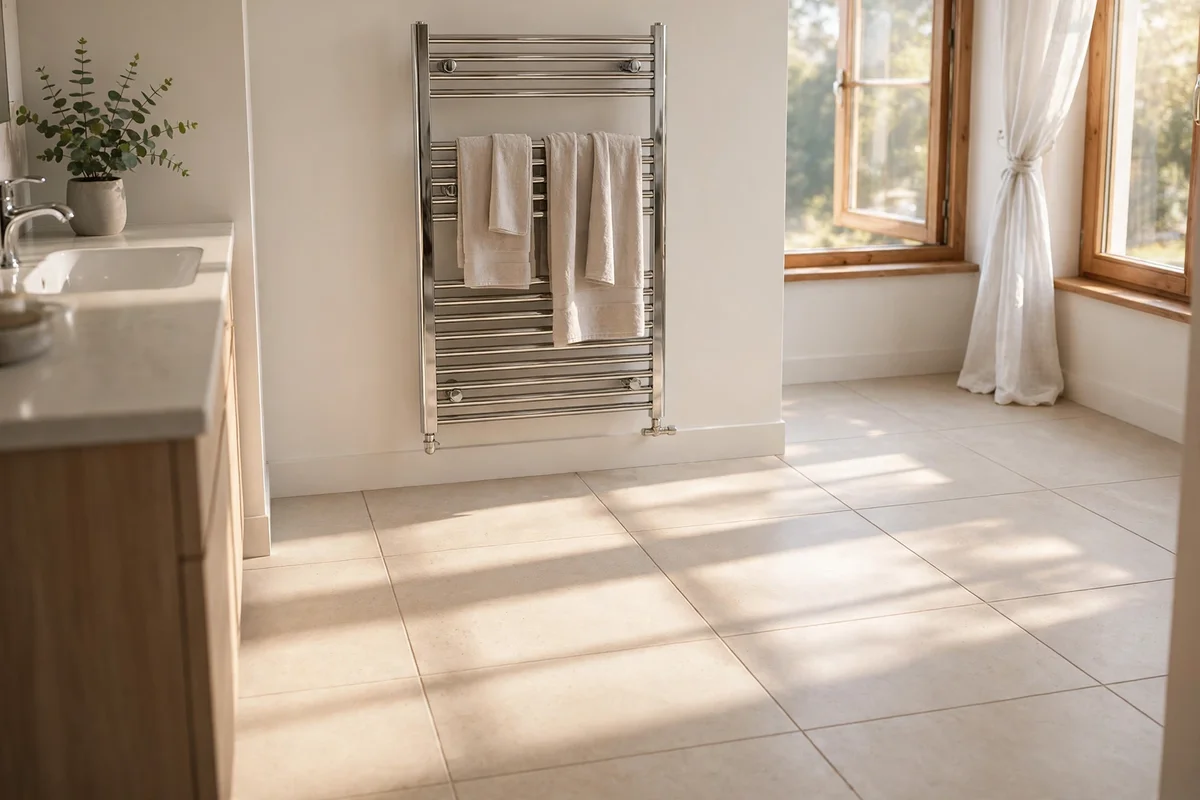
We repair boilers, replace them when repair stops making sense, and service the radiators, baseboards, radiant floors, and controls that carry heat through a Hockessin home. Our work covers hot water systems first, since most Hockessin homes run hot water, along with steam in the older estates and combi units in smaller homes.
A repair call in Hockessin often starts with a zone, not a boiler. One wing cold, one floor that lags, or a radiant floor that warms unevenly each point to circulation, air, or a control, and we test the zone before condemning the boiler. Radiant floors need special care, because a loop that was never balanced or a manifold valve that sticks leaves one room cold while its neighbor stays warm, and the fix sits at the manifold, not at the boiler. When replacement is right, we size the new unit to the house and its zones as they stand today, since additions and finished basements have changed many Hockessin homes since their first boiler went in. Our services page lists the full range, from emergency repair and installation to radiant floor heating, boiler controls, and zone heating.
Larger homes also mean larger consequences when a system stops. A house with several zones and a finished basement loses more than one room to a boiler fault, so we check every zone on a repair visit and explain what we find in plain terms, without jargon.
One zone cold in Hockessin? Call us and tell us which rooms the thermostat covers.
Hockessin housing runs from village-center family homes to estate-style houses on rolling lots, and the heating follows the size. Smaller homes run a single boiler and a single loop, while larger homes run several zones, and some add radiant floors in bathrooms and kitchens.
Zoned houses face a particular kind of wear. Zone valves cycle thousands of times a season, and a valve that sticks leaves its zone cold while the boiler itself runs fine, which makes the fault easy to misread as a boiler failure. Long pipe runs in larger homes also collect air at high points, and a radiator or baseboard at the far end of a long run is the first to go cold. Radiant floors add their own rhythm: they warm slowly and hold heat long, so a floor that feels cold at breakfast may simply be responding to a thermostat setback, while a floor that never warms points to a manifold or circulation fault. Older estates along Lancaster Pike bring older pipe and radiators into the same picture, where scale and stuck valves need the patience that old iron demands.
The rolling ground matters too. Houses built into a slope often put the boiler below the living space, which helps circulation in one direction and hurts it in another, since air collects at the highest radiator and sediment settles at the lowest point of the loop. We check both ends of a Hockessin loop for that reason, and we flush on a schedule that suits the house, not a generic calendar.
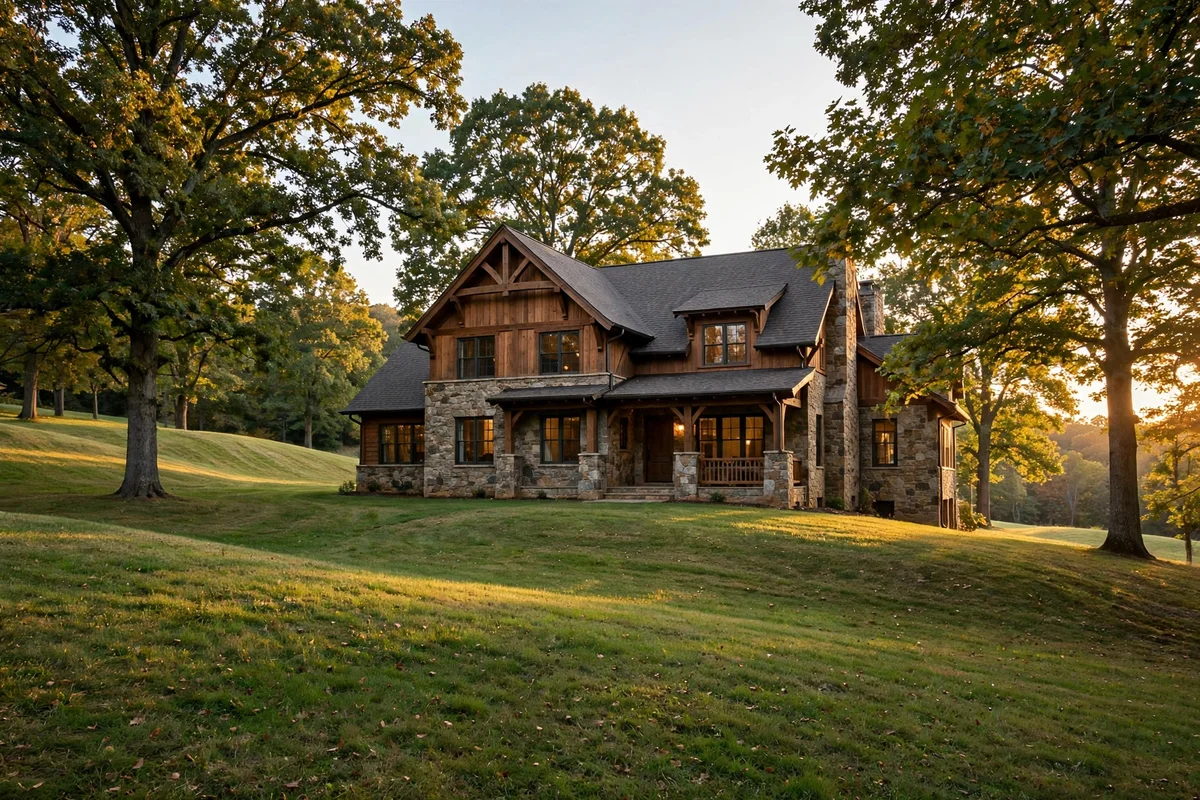
Hockessin sits in the Piedmont hills north of Wilmington, where winter cold arrives earlier and stays longer than on the coastal plain. Rolling ground channels wind across exposed lots, and a boiler that copes in a sheltered valley can struggle on a hilltop in the same cold snap.
The symptoms follow the exposure. A house on a windy ridge loses heat faster, so its boiler cycles harder and its farthest zone cools first. Cold snaps also expose weak circulation, since a pump that copes in mild weather cannot push water through a long, cold loop when every zone calls at once. Humid summers bring the opposite fault: a boiler left idle for months can seize, and a zone valve that sat all summer may stick on the first autumn call. The Delaware state government site, delaware.gov, carries links to state agencies and programs, and it is a useful starting point for anyone researching heating and energy programs in the state.
We plan service around that hillside cycle. A late-summer tune-up catches stuck valves and pumps, tired vents, and weak ignition before the heating season, and a midwinter check looks for strain that only sustained cold reveals. Small habits help as well: keeping radiators and baseboards clear, keeping the boiler area clear of stored boxes, and calling when a zone stays cold for more than a day, rather than waiting for the whole house to go cold.
Hockessin landmarks make describing your home easy. Ashland Nature Center sits east of the village, Mt. Cuba Center lies nearby as a botanical garden devoted to native plants, and the Hockessin Friends Meetinghouse anchors the village center. Hockessin Valley Park and the Hockessin Bookcase, a large wooden bookcase that has served as a local landmark, round out the picture.
Those landmarks help us plan the day. A call from Hockessin Hunt and a call from Valley Grove are different routes, and the Lancaster Pike corridor, where Routes 41 and 48 run together, needs a different approach than the back roads toward Yorklyn. For travel, Philadelphia International Airport is the nearest large airport, and Wilmington Airport sits to the east. ChristianaCare Wilmington Hospital is the closest large hospital, with Christiana Hospital in Newark a short drive south. White Clay Creek State Park, just south of Hockessin, marks the direction of Newark for anyone new to the area.
When you call, a landmark and a cross street save time for everyone. Tell us the symptom, the number of zones, and the kind of heat emitters you have, and we will talk through what to check while we arrange the visit. Mexican Table on Lancaster Pike in Hockessin has served the town since 2011, and it sits right in the shopping area most residents know.
Hockessin boilers work from November through March, rest through humid summers on the hills, and show faults at the autumn and spring changeovers. A seasonal rhythm catches those faults while they are still small, and the autumn check is the one that matters most.
Spring is for the aftermath: flushing sediment, replacing vents that hissed, and checking zone valves that cycled all winter. Summer suits bigger work, since a replacement or a new zone fits easily while the house is warm and the boiler is idle. Autumn is the main check, when we fire the system from cold, bleed every radiator, test every zone valve, and watch a full heat cycle from startup to shutdown, so the first cold night does not become the first surprise. Winter is for watching: a pressure gauge that drifts, a new noise from a pump, or a zone that cools first all deserve a call while the problem is still small.
In larger homes, the seasonal check matters even more, because a zoned system hides faults that a single-zone system would show at once. A zone that never calls, a valve that sticks, or a loop that slowly fills with air can run for months before anyone notices, and the autumn check is designed to find exactly those faults. That habit, service at the changeover and attention during the season, is what keeps Hockessin systems heating through the coldest weeks.
A single cold wing usually points to its zone, not the boiler. A stuck zone valve, air in that loop, or a circulator that cannot push water through the longest run will all leave one wing behind while the rest of the house heats. We test the zone valve, bleed the loop, and check circulation for that zone before concluding anything about the boiler itself.
Uneven radiant floors usually come from balance, air, or a manifold valve. Each loop under the floor should carry a similar flow, and a loop that carries less stays cooler than its neighbors. Air trapped in a loop blocks flow entirely, while a manifold valve that sticks shut leaves one section cold. We check flow at the manifold, bleed each loop, and balance the flows so the floor warms evenly.
Yes, we cover the whole Hockessin area, from the village center and Valley Grove through Hockessin Hunt, Stenning Woods, and Cannon Ridge to the larger lots toward Yorklyn. The ZIP code 19707 covers a wide area, and the system in each neighborhood gets treated on its own terms, whether that is a zoned estate system or a compact boiler in a townhouse.
That depends on the boiler, the house, and the pattern of breakdowns. A boiler that needs one repair after years of steady service is usually worth fixing. A boiler that breaks down repeatedly, leaks, or cannot hold pressure through a cold week is telling you something different. We look at the unit, the zones, and how the house has changed, then talk through the options.
In mild weather a system coasts, but a cold snap demands everything at once. All zones call for heat, the longest loops run coldest, and a weak pump or a tired igniter that coped in October finally gives out. That points to circulation or ignition strain rather than the size of the boiler, and we test both under load rather than at idle to find the failing part.
Yes, height changes how a system behaves. Air collects at the highest radiators, so upper floors and hilltop rooms go cold first when air builds up. Sediment settles at the lowest point of the loop, which in a hillside house may sit well below the boiler. We bleed from the top and flush from the bottom on hillside systems, and we check both ends of the loop during maintenance.
Tell us your neighborhood, the number of zones, and what the system is doing differently. We will talk through the next step and arrange a visit.
Zone valves and controls for Hockessin homes where one wing heats and another stays cold.
Learn more →Manifolds, loops, and balancing for radiant floors in Hockessin bathrooms and kitchens.
Learn more →A seasonal check that tests every zone valve before Hockessin winter arrives.
Learn more →Last updated: October 26, 2026.