Boiler Maintenance and Tune-Up
Planned care that catches worn parts and low pressure before they turn into a cold night.
Learn more →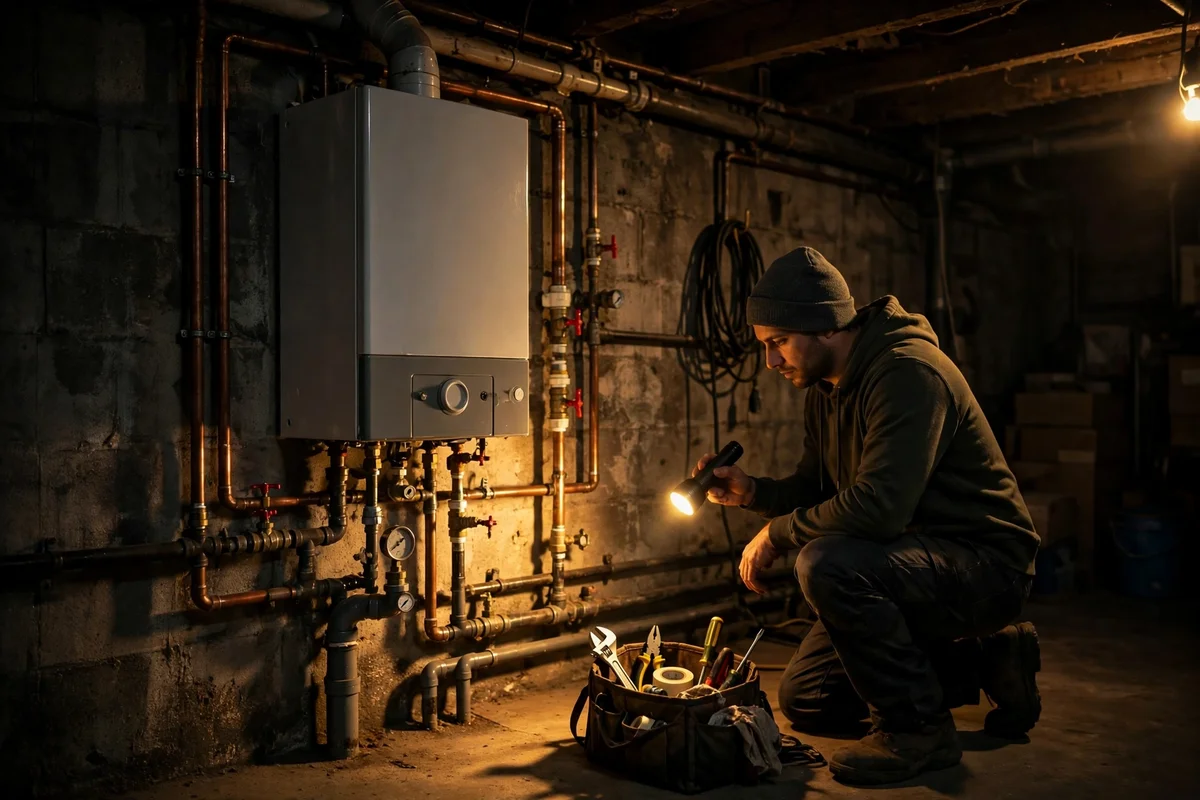
No heat, an active leak, or a safety alarm sounding: that is what this page is for. Call us, tell us what is happening, and we will talk through the next step with you.
A boiler that stops in cold weather turns a normal evening into a cold house in a hurry. This page covers urgent no-heat problems only, including a boiler that has shut down, a leak that is spreading, and a safety alarm that has sounded. Call us and describe what you see and hear.
If you smell gas or a carbon monoxide alarm sounds, leave the building first and call emergency services from outside, then call us. Do not try to relight a boiler, open panels, or hunt for a leak when a safety alarm is involved. For a water leak, move rugs and stored items away from the water if you can do so safely, and note where the water seems to be coming from. Tell us whether the radiators or baseboards have gone cold, whether the boiler display shows anything, and whether the problem started suddenly or after a noise, a smell, or a puddle appeared. Those details help us understand how urgent the visit is and what tools and parts to bring.
An urgent visit is for heat loss and safety problems, not for routine work. A single radiator that feels cooler than the rest, a new noise that comes and goes while the house stays warm, or a yearly service visit all belong on our regular schedule instead. You can read about planned care on our boiler maintenance and tune-up page. Keeping urgent visits for true no-heat and safety cases means the technician who comes to your door is focused on getting heat back and making the system safe, rather than splitting attention across routine jobs.
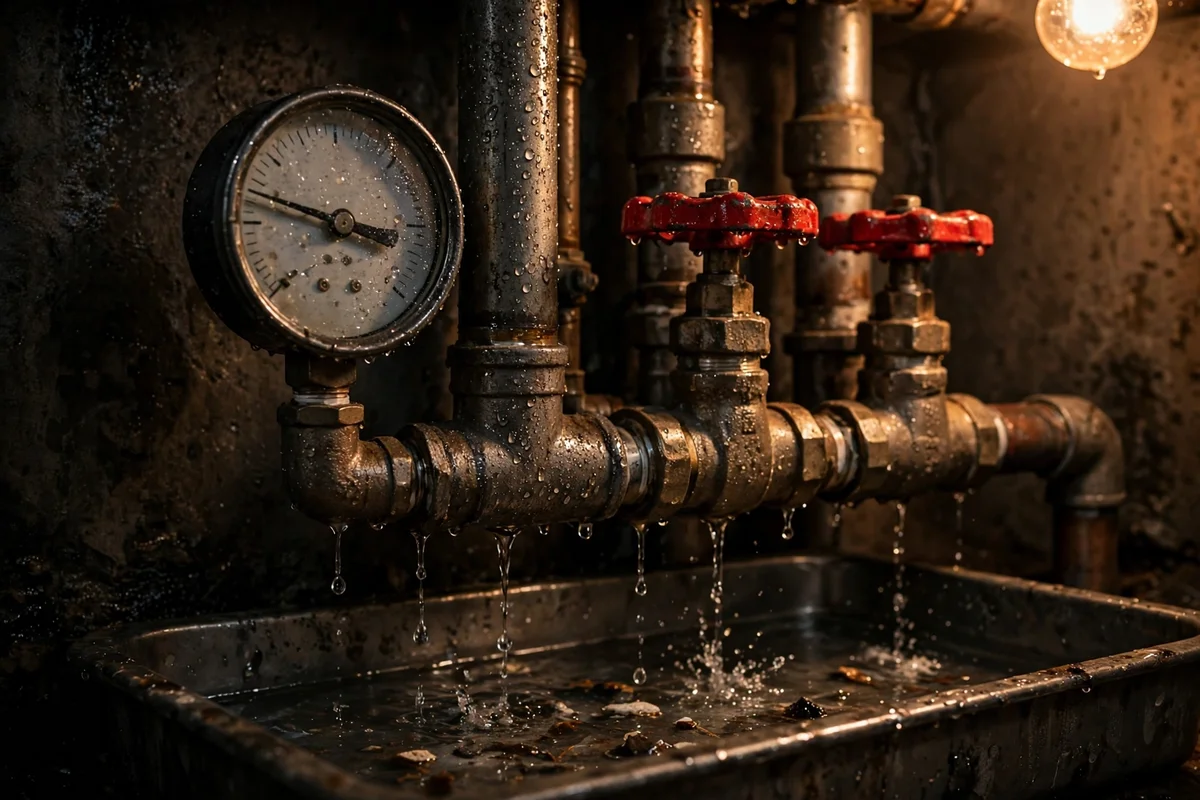
We start with the cause of the heat loss, not with a guess. The technician looks at the boiler controls, the burner, the pump, the pressure reading, and the safety controls, then traces the fault step by step until the reason for the shutdown is clear.
A boiler can lock out for several different reasons, and each one points to a different fix. A failed ignition, a blocked vent, a pump that has stopped moving water, a pressure drop from a leak, or a safety control that has tripped can all leave a home cold. We test each part in turn, checking what fires, what moves, and what stays silent. We also look at the pipework around the boiler for fresh water, damp patches, and corrosion, because a leak that drops pressure will shut a system down again even after a reset. When we find the fault, we explain it in plain words, describe the repair in front of you, and tell you what would happen if the part were left alone.
Some urgent faults need a part replaced, and some need a control reset after a blockage or a sensor fault is cleared. We do not reset a boiler and leave without finding why it stopped. A reset that hides a leak, a vent problem, or a failing pump only sets up a second cold night. If the boiler needs a larger repair that cannot be finished during the urgent visit, we explain what is safe to run, what should stay off, and what the next visit will cover. That plain explanation matters when a house is cold and a decision has to be made under pressure.
No heat tonight? Call (302) 555-0147 and tell us what your boiler is doing.
Call (302) 555-0147Call right away when the house has no heat, when water is leaking from the boiler or its pipework, or when a safety alarm sounds. Those three situations are the heart of this service, and they should not wait for a routine appointment.
A boiler that tries to start and then stops, a display that shows a fault and will not clear, or radiators that cool room by room while the boiler runs point to a system that is failing rather than resting. Loud banging followed by a shutdown, a strong smell near the boiler, or water pooling on the floor all call for an urgent visit too. While you wait, keep room doors closed to hold warmth in the rooms that still feel warm, keep children and pets away from the boiler area, and write down anything the boiler did before it stopped, including noises, smells, and any change in the display. That short note saves time when the technician arrives and helps us spot a pattern in the fault.
If the boiler stopped after a power cut, check whether other lights and appliances in the home are working, and tell us what you find. A whole-home power problem sits with the power company, while a boiler that has power but still will not fire sits with us. Either way, a short call clears up the question and avoids a visit that cannot help. We serve homes and businesses across Delaware, and you can see the areas we cover on our service areas page.
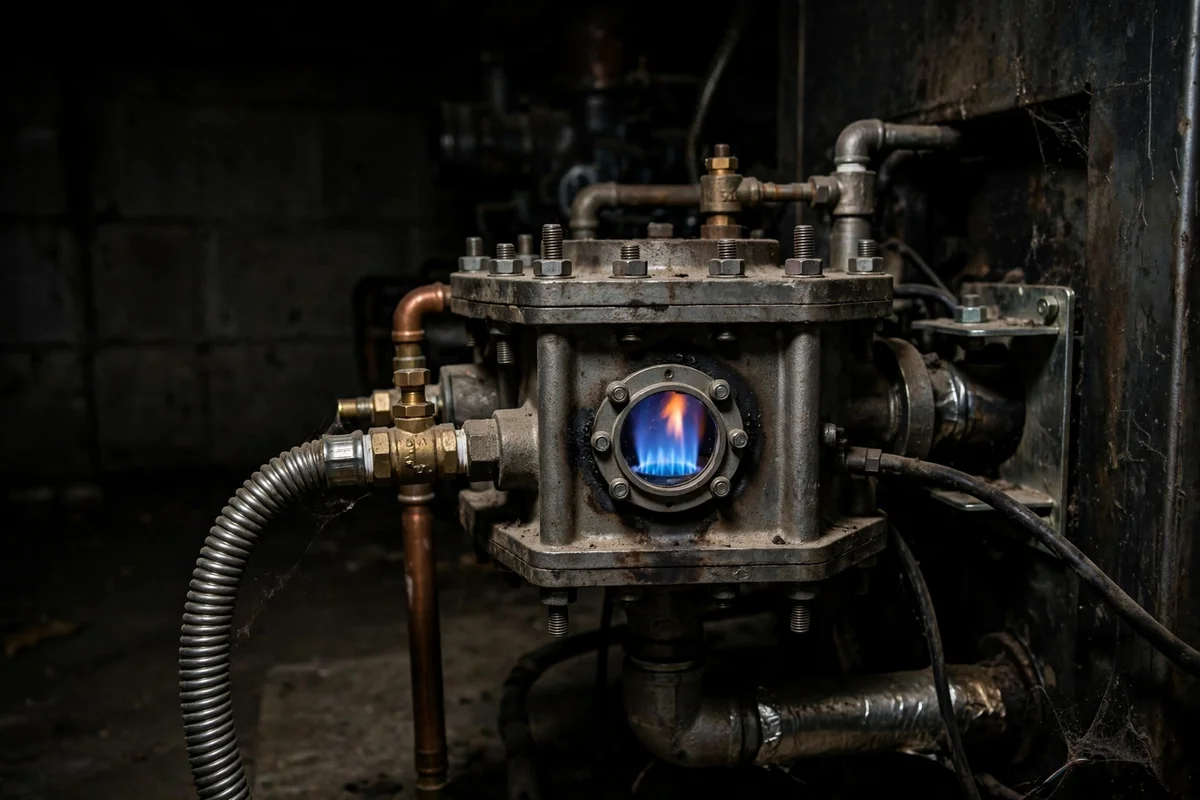
Water spreading near your boiler? Call (302) 555-0147 before the damage spreads further.
Call (302) 555-0147Once heat is back, the urgent visit is not quite finished in our notes. We walk you through what failed, what was repaired, and what to watch for over the next few days, so a repeat fault is easy to spot early.
Watch for the same warning signs that brought us out: pressure that falls again, a burner that struggles to stay lit, new water near the boiler, or radiators that cool unevenly. If any of those return, call us and mention the earlier visit so we can pick up where the last repair left off. Carbon monoxide safety sits alongside any gas boiler visit, and the Centers for Disease Control and Prevention explains carbon monoxide basics, including alarms and symptoms worth knowing. The Environmental Protection Agency describes carbon monoxide sources in the home, including worn or poorly adjusted combustion equipment. Keep alarms in working order and never ignore one that sounds.
For the longer term, a planned maintenance visit catches worn parts, low pressure, and dirty burners before they turn into another cold night. Ask us about boiler maintenance and tune-up once the urgent problem is settled, and about system flushing and water treatment if the water in the system looks dark or radiators heat unevenly. Urgent help gets the heat back, and steady care keeps it back.
An urgent visit goes faster when the boiler room is reachable and the boiler itself is visible. Clear a path to the boiler, move stored boxes away from the unit and its pipework, and make sure the room light works, because a technician who can reach every valve and control without moving clutter can diagnose sooner.
Keep the boiler instructions in a known place, such as a folder near the boiler or a kitchen drawer, and note the boiler model and any recent work in the same place. When a technician arrives during an urgent visit, that folder answers questions about past repairs, past parts, and past faults without relying on memory under stress. Note also where the main water shutoff and the boiler isolation valves sit, and show them to the technician on arrival if you know them. A short walkthrough of those points at the start of the visit saves time during the diagnosis itself. If the boiler room doubles as storage, a permanent clear zone around the boiler is worth creating, because future visits, urgent or planned, all benefit from the same access. Tell us about narrow doors, steep stairs, or locked gates when you call, so the technician arrives prepared for the building as well as for the boiler.
A boiler emergency is a no-heat shutdown, an active water leak from the boiler or its pipework, or a safety alarm sounding. Those situations can damage a home or leave people without heat. A single cool radiator, a mild noise with heat still running, or a routine service visit is not an emergency and fits a normal appointment.
A single reset is reasonable only if the boiler maker instructions allow it and there is no leak, no gas smell, and no alarm sounding. If the boiler locks out again, stop resetting it and call a technician. Repeated resets can hide a leak, a vent fault, or a failing part, and the fault still needs repair.
Leave the building at once, get everyone into fresh air, and call emergency services from outside. Do not go back inside to open windows, silence the alarm, or check the boiler. A technician can inspect the boiler after emergency responders have said the building is safe to re-enter.
Tell us whether the boiler has power, whether it tries to start, what the display shows, and whether any radiators still feel warm. Mention leaks, smells, noises, and when the problem started. Those details help us judge urgency and bring the right tools and parts for the visit.
A leak that is actively spreading, dripping steadily, or dropping the system pressure counts as urgent, because it can damage floors and walls and shut the system down. A faint damp patch with heat still running still needs attention soon, but it may fit a prompt regular visit rather than an urgent one.
We trace the lockout to its cause instead of resetting it again. Common causes include ignition faults, blocked vents, pump problems, pressure loss, and tripped safety controls. We test each one, explain the fault in plain words, and repair the failed part or control.
Leave the building right away and call emergency services from outside. Do not switch lights on or off, light anything, or try to find the leak yourself. Once emergency responders say the building is safe, a technician can inspect the boiler and the gas pipework.
Yes. We help homes and businesses across Delaware with urgent no-heat problems. Tell us the type of building, how many rooms or areas have lost heat, and whether anyone in the building is at extra risk from the cold, so we can plan the visit properly.
Keep doors closed to hold warmth, keep people and pets away from the boiler, and move items away from any leaking water if it is safe to do so. Note anything the boiler did before it stopped, including sounds and display changes, and keep that note ready for the technician.
Tell us what your boiler is doing, and we will talk through the urgent next step with you.
Planned care that catches worn parts and low pressure before they turn into a cold night.
Learn more →Care and repair for the hot water boiler systems that heat most Delaware homes.
Learn more →Thermostats and zone controls that decide when each part of a building calls for heat.
Learn more →Last updated: October 26, 2026.