Steam Boiler Services
Vents, traps, water levels, and pipe pitch for the steam systems that heat old New Castle houses.
Learn more →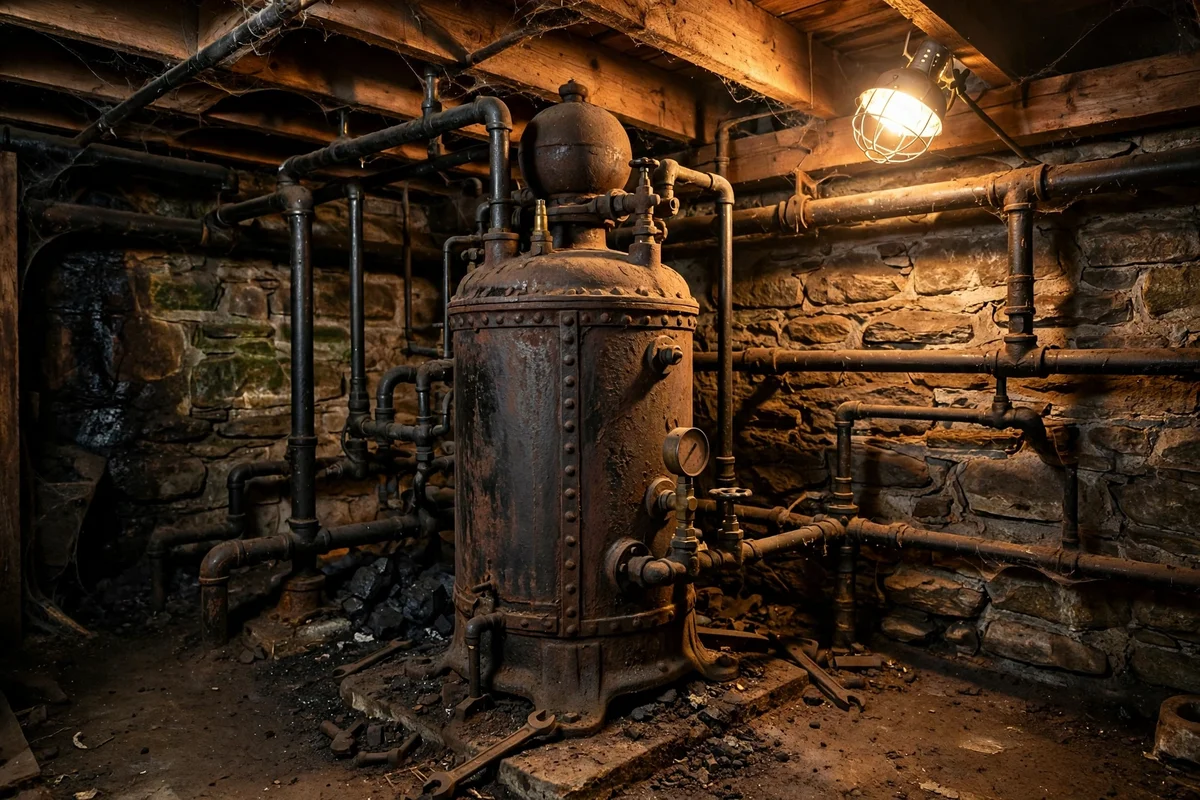
New Castle keeps some of the oldest houses in Delaware, and their boilers carry that history with them. We repair steam and hot water systems in the Historic District and the neighborhoods around it, with parts and methods that suit old iron and old brick.
New Castle sits low beside the Delaware River, and that low ground shapes everything about heating here. Damp air creeps into basements, river winds cut through old windows, and a boiler that copes in October can struggle by February. That low ground is why New Castle service starts with damp and cold.
The first sign is usually a radiator that never quite warms, or a boiler that cycles hard on windy nights. Moisture rusts valve stems and vent threads, and once a steam vent sticks, the radiator it serves either hisses all day or stays cold. Low-lying streets near Battery Park also see basement dampness after heavy rain, and a boiler standing in damp air ages faster than the same unit on higher ground. Winter brings a second problem: pipes in unheated corners of old houses, especially along exterior walls and in crawl spaces, lose heat fast and can freeze during a hard cold snap, which then shows up as a burst joint or a loop that will not circulate.
We shape service around those two pressures, damp and cold. A visit in late summer checks vents, traps, and the boiler water level before the heating season, and we look closely at any fitting that shows rust. In winter we check pressure and circulation first, because a system that cannot move water cannot heat a house no matter how hard the boiler fires. Keeping basement air moving, clearing stored items away from the boiler, and calling when a radiator changes its sound all buy a New Castle system extra years.

New Castle homes run from eighteenth-century brick houses in the Historic District to postwar neighborhoods like Penn Acres and Duross Heights, and the heating follows the same spread. The oldest houses run steam through iron pipe, while the newer ones run hot water through copper and baseboards.
Steam in an old house is a system of small tolerances. The boiler water level must sit where it belongs, the vents must open and close at the right moment, and the pitch of the pipes must let condensate run back instead of pooling. When any of that drifts, radiators bang, hiss, or stay cold, and the boiler starts to use more water than it should. We check the whole loop on a steam call, not just the noisy radiator, because the cause often sits two rooms away. Hot water houses around Penn Acres and Midvale face different wear: air collects at high baseboards, circulators weaken with age, and old galvanized sections narrow with scale until the far rooms cool off.
The brick itself matters. Thick brick walls hold heat once warm, which suits the slow, steady warmth of cast iron radiators, but they also hide pipe runs inside walls where a leak can travel before it shows. We watch for damp patches on plaster, paint that bubbles near a radiator valve, and floors that feel warm in one spot and cold in another. Those small signs point to the loop long before a breakdown does, and catching them early keeps an old New Castle system running instead of replacing it.
Steam radiator hissing in New Castle? Call us and tell us which rooms stay cold.
The Historic District sets the tone for New Castle heating, with brick houses on Delaware Street and the streets around the Green running steam systems that predate most of the town. Shawtown and Washington Park, the old workers communities just outside the district, mix steam and converted hot water systems in smaller houses with tighter basements.
Penn Acres brings a different rhythm. The houses there are postwar, the basements are easier to move around in, and the boilers are usually hot water units feeding baseboards through copper loops. Duross Heights and Midvale sit in the same family, with ranch and split-level houses where a single zone once served the whole home and now struggles with additions and finished basements. Along the river, Battery Park homes face the dampest air in town, and their boilers show it first, in rust on fittings and vents that need replacing more often. The ZIP codes follow the same map: 19720 covers the historic core and the riverfront, while 19721 and 19726 reach the residential streets and the Wilmington Pike corridor, where newer systems and older ones sit side by side.
We do not treat these neighborhoods as interchangeable. A steam vent that suits a Historic District house would be wrong for a Penn Acres baseboard loop, and a circulator sized for a ranch would starve a three-story brick house. When you call, tell us your street and the kind of radiators you have, and we will know roughly what waits in your basement before we arrive, then verify it on site.
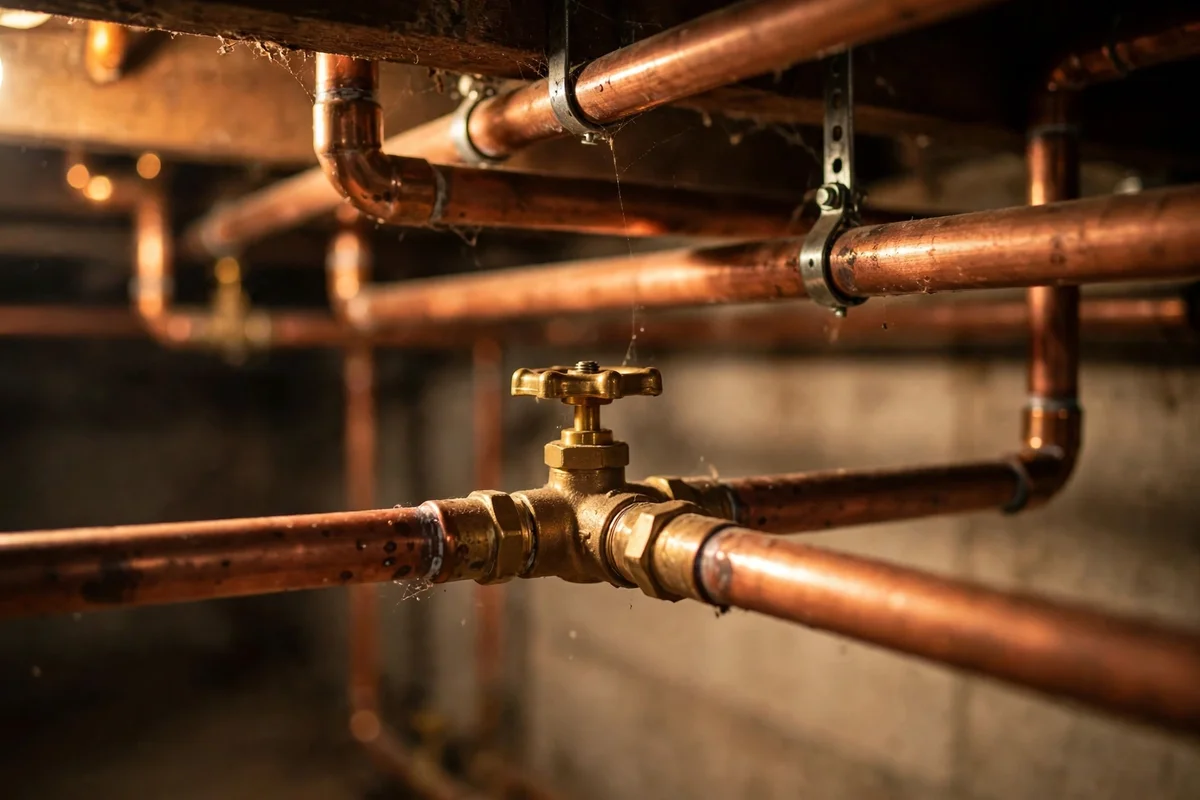
New Castle boiler work covers repairs, replacements when repair stops making sense, and care for the radiators, baseboards, vents, and controls in historic houses and postwar neighborhoods. Steam and hot water both sit inside our everyday work, as do gas and oil units.
A repair call usually starts with listening. A boiler that bangs on startup, a radiator that hisses without warming, a pressure gauge that drops overnight, or a house that heats downstairs but not upstairs each tell a different story, and we test the system before swapping parts. Radiator valves and vents get the same care, because a new vent on a loop with a blocked return will not fix anything. When replacement makes sense, we size the new unit to the radiators and the house as it stands today, since additions, insulation, and new windows have changed many New Castle homes since their first boiler went in. Our services page lists the full range, from emergency repair and installation to steam service, radiator work, and boiler controls.
Small commercial buildings along Delaware Street and the Wilmington Pike corridor get the same approach. A shop or office with a failing boiler loses business with every cold day, so we check zones and loops across the whole building and explain what needs doing in plain words. No jargon, no pressure, just the system as it is and the options as they stand.
New Castle is a small town with big landmarks, and they make describing your home easy. The New Castle Court House Museum stands on the Green at the heart of the Historic District, Battery Park runs along the river at the end of Delaware Street, and Amstel House sits a short walk away on the same grid.
Those landmarks help us plan the day. A call from the Historic District and a call from Penn Acres are different routes, and the riverfront streets near Battery Park need a different approach than the Wilmington Pike corridor. Delaware Street itself, the town's main spine, carries the cafes and small shops where residents meet, and it also marks the line between the oldest houses and the neighborhoods that grew around them. For travel, Wilmington Airport sits close by in New Castle, and Philadelphia International Airport is the nearest large airport to the north. ChristianaCare Christiana Hospital in nearby Newark is the closest large hospital, with Wilmington Hospital a short drive north.
When you call, a landmark and a cross street save time for everyone. Tell us the symptom, the kind of radiators you have, and whether your basement runs damp, and we will talk through what to check while we arrange the visit.
A New Castle boiler earns its keep from late autumn through early spring, then rests while the river air turns humid. The changeovers in autumn and spring are when small faults surface, and a seasonal check at each end keeps them small.
Autumn is the main event. We fire the boiler from cold, bleed radiators, test vents and traps on steam systems, and watch a full cycle from startup to shutdown. Winter is for watching pressure, listening for new banging or hissing, and checking any room that cools first, since that room usually points to the weak part of the loop. Spring is for the aftermath: flushing sediment, replacing vents that hissed all winter, and checking fittings that spent months in damp air. Summer suits bigger work, like a replacement or a new zone, because the house stays warm while the system is open and parts are easier to fit.
Inside the house, small habits carry weight. Keep radiators clear so heat reaches the room, keep the boiler area dry and clear of stored boxes, and do not ignore a new sound from the basement. In an old brick house, a sound that was not there last winter is information, and acting on it early is what keeps a historic New Castle system heating for another season.
Banging usually means condensate trapped in a pipe, where steam meets standing water and collapses it with a hammer blow. In old New Castle houses, pipes settle over time and lose the pitch that lets condensate drain back to the boiler. A vent that fails, a sagging pipe, or a water level set too high can all cause it.
Damp air rusts fittings, valve stems, and control parts, and basements near the river run damper than most. Over time, rust seizes valves and vents, and corrosion on electrical controls causes intermittent faults that are hard to trace. Ventilation, keeping stored items away from the unit, and a dehumidifier through humid months all slow the damage, and we check for rust at every maintenance visit.
Yes, old houses are a large part of our work in New Castle, and their systems need methods that suit iron pipe, cast iron radiators, and steam. We check water levels, vents, traps, and pipe pitch on steam systems, and we look for the wear that age brings, like scale inside old pipe and valves that have not moved in years.
Steam systems boil water and send steam through pipes to radiators, where it condenses and returns to the boiler. Hot water systems pump heated water through radiators or baseboards in a closed loop. Steam runs hotter, needs vents and traps, and is less forgiving of a wrong part, while hot water systems need circulation and air removal. The two look similar from the outside and behave very differently inside.
Heat rises through a house, but a boiler system still has to push water or steam to the top floor. In New Castle houses, the upstairs loop is the longest run, so it suffers first from air, a weak circulator, or a valve that has stuck shut. On steam systems, a failed vent on an upstairs radiator leaves that room cold while the downstairs radiators roast.
Yes, we cover the whole town, from the Historic District and Battery Park through Shawtown and Washington Park to Penn Acres, Duross Heights, and Midvale. The ZIP codes 19720, 19721, and 19726 all sit inside our New Castle work, and the system in each neighborhood gets treated on its own terms, whether that is steam in an old brick house or hot water baseboards in a postwar ranch.
Tell us your street, your radiator types, and how the system is behaving differently. We will talk through the next step and arrange a visit.
Vents, traps, water levels, and pipe pitch for the steam systems that heat old New Castle houses.
Learn more →A boiler that stops in cold weather, a leak, or a system that will not hold pressure in a New Castle home.
Learn more →Scale and sediment removal for old iron pipe and radiators in New Castle houses.
Learn more →Last updated: October 26, 2026.