Commercial Boiler Services
Larger boilers for Dover offices, shops, schools, and apartment buildings, with every zone checked.
Learn more →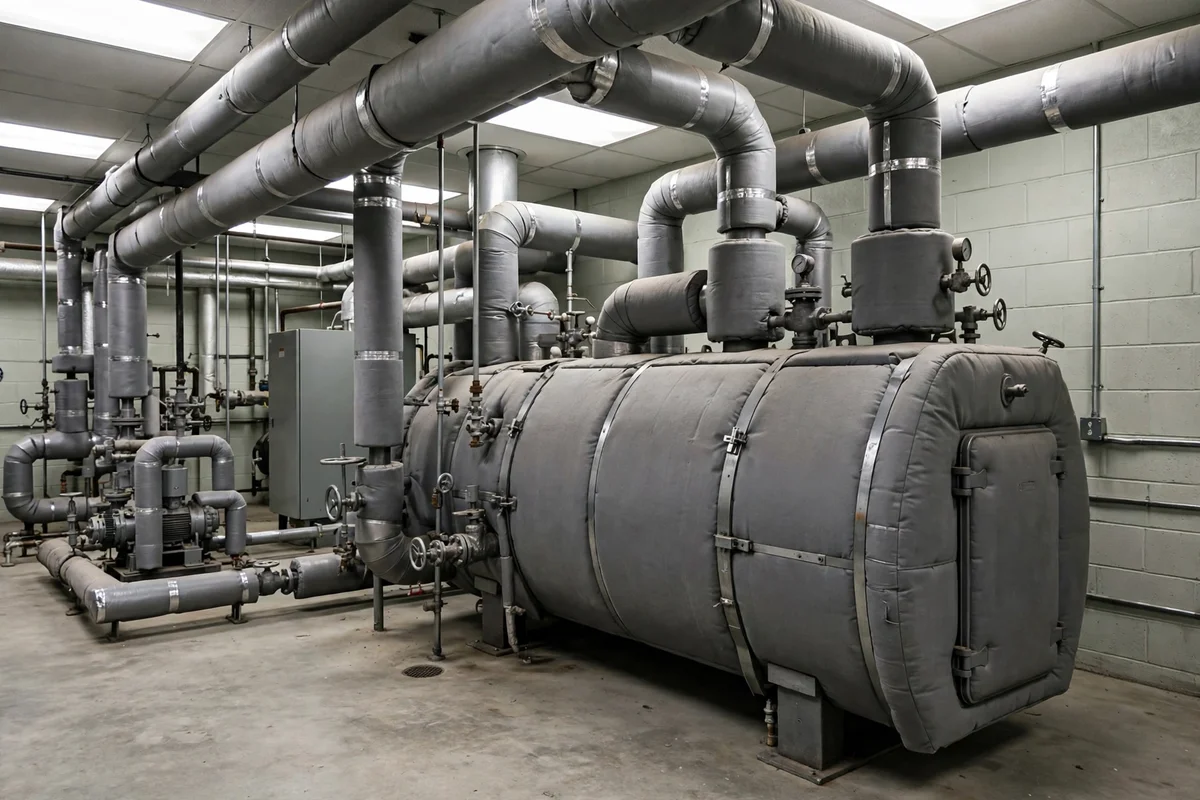
Dover is the state capital and the largest city in central Delaware, with government offices, a military community, and family neighborhoods spread across the city. We repair and replace boilers across Dover, from downtown houses to the subdivisions south and west of town.
Downtown Dover, around The Green, Legislative Hall, and the Old State House, holds the oldest houses in the city, with brick homes where steam and early hot water systems still do the work. Capitol Park and the streets around Legislative Avenue mix government-adjacent offices with family homes, and the systems there mix older radiators with newer baseboards.
Highland Acres and Rodney Village, south and west of downtown, hold postwar ranches and colonials where a single boiler once served the whole house and now struggles with additions and finished basements. Kent Acres and Riverview, toward the north and east, mix ranches with newer subdivisions, where zoned loops and wall-hung boilers are the norm. Towne Point and White Oak Farms, farther out, hold larger lots and newer builds, where long pipe runs and multiple zones hide balance problems. Dover ZIP codes map the same spread: 19901 covers the downtown core and the capitol area, while 19904 reaches the southern and western neighborhoods, with 19903, 19905, and 19906 serving the outer edges and the base area.
We ask for your neighborhood and ZIP on every call because they narrow the search. A downtown house with steam, a Highland Acres ranch with baseboards, and a Towne Point new build with zones each need a different first check, and knowing which one waits for us shapes the visit. Tell us the street and the radiator type, and we will talk through what to check before we arrive.
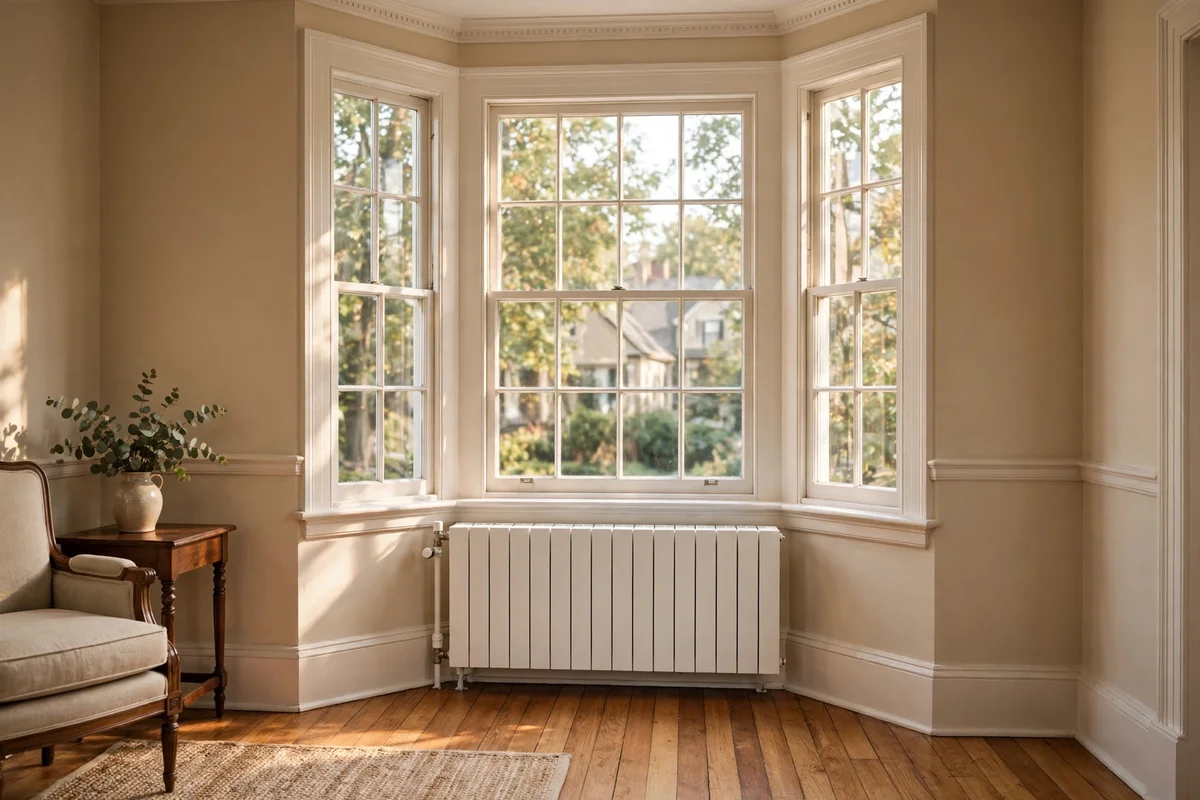
Dover housing reflects the city's two anchors, state government and Dover Air Force Base, with a mix of older downtown homes, postwar ranches for military and state families, and newer subdivisions for commuters. Each era left a different heating system behind.
Downtown houses carry the oldest systems, with cast iron radiators and iron pipe that shed scale into the boiler over decades, so flushing and water treatment matter more here than in a new system. Postwar ranches in Highland Acres and Rodney Village face the opposite wear: a boiler sized for a drafty original house now short-cycles in a home that has been insulated and re-windowed, which wears ignition parts and leaves rooms uneven. Newer subdivisions run efficient boilers with zone controls, where a control fault can look like a boiler fault, and we test controls before condemning the unit. Military and rental turnover adds another layer, since a boiler in a rental often runs with little attention between tenancies, and slow faults like a weeping valve can run for months before anyone reports them.
Materials follow the same pattern. Cast iron radiators hold heat long after the boiler stops, which suits a house that empties during the day. Copper baseboards respond fast but show every air bubble as a gurgle. Newer loops need flushing on schedule, since scale builds quietly in any system that never gets opened. Knowing which group a house belongs to tells us where to look first, and we still verify on site before we touch anything.
Boiler trouble in Dover? Call us and describe the symptom and your neighborhood.
Dover winters run milder than the north of the state but swing harder, with damp cold off Silver Lake, followed by hard freezes. That swing is harder on a boiler than steady cold, because every freeze and thaw moves water, air, and metal. That swing is why Dover service follows the seasons, not a fixed date.
Faults track the seasons. A boiler that copes with a mild December week may give out during a January cold snap, when a weak circulator or a tired igniter reaches its limit. Damp air keeps basements humid, rusting fittings and letting air collect in the highest radiators, so a radiator that gurgles in autumn often signals damp as much as air. Summer stillness brings a fault of its own: a pump that sat unused all summer may hum without turning when October calls it back. The Delaware state government site, delaware.gov, carries links to state agencies and programs, and it is a helpful starting point for anyone researching heating and energy programs across the state.
We build the service year around that cycle. A late-summer tune-up spots stuck pumps, tired vents, and weak ignition before the heating season, and a midwinter check hunts for strain that only sustained cold uncovers. Householders help by keeping radiators clear of furniture, keeping the boiler area clear of boxes, and calling when a radiator stays cold beyond a day, rather than waiting for the whole house to go cold.
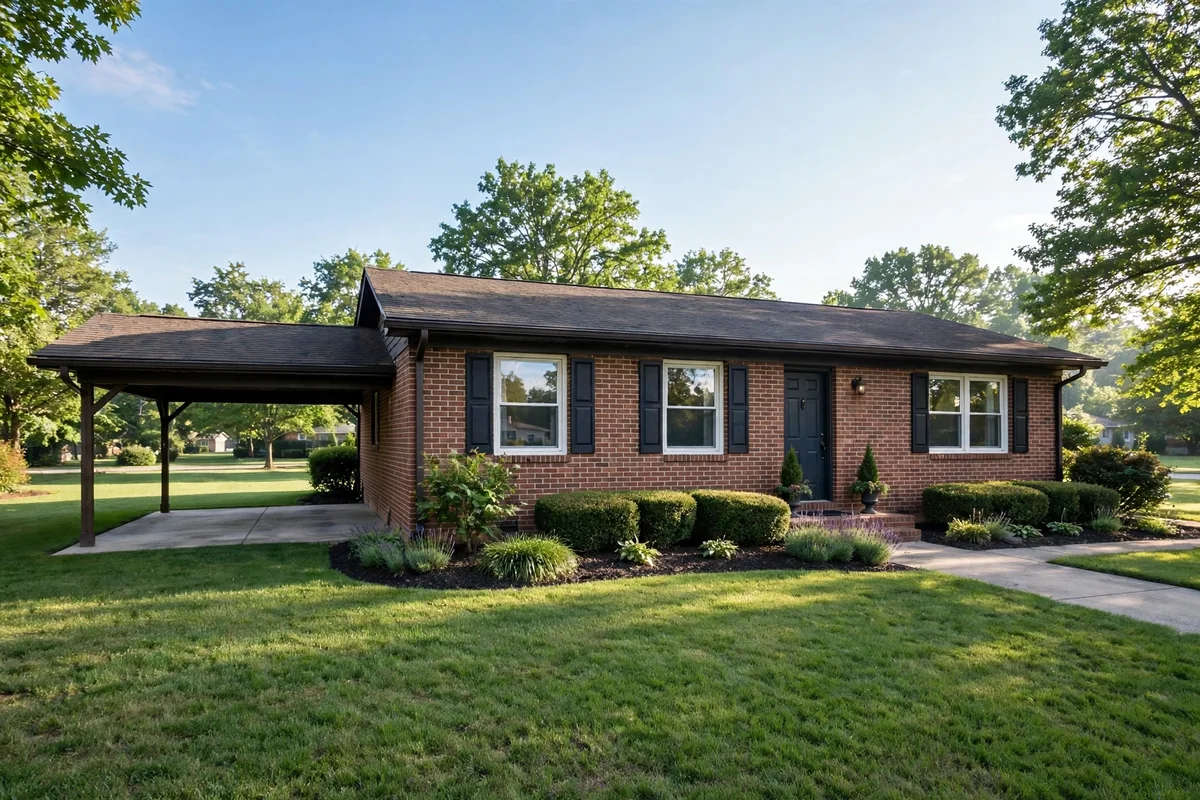
Dover boiler work spans repairs, replacements when a fix stops making sense, and servicing for radiators, baseboards, vents, and controls. Our work covers hot water and steam systems, gas and oil units, and the larger commercial boilers that heat offices, schools, and apartment buildings.
A repair call in Dover often starts with a building, not just a boiler. State offices, small businesses along Loockerman Street, and apartment buildings near the base each run larger systems with more zones, and a fault there affects tenants or staff, not just one family. We check every zone and every loop on a commercial visit and explain what we find in plain terms. In homes, the same rule applies at a smaller scale: a boiler that locks out, a radiator that stays cold, or a house where one floor heats and the other does not each point to a different part of the system, and we test before replacing parts. When replacement is right, we size the new unit to the building as it stands, with its additions and insulation, rather than copying the old unit. Our services page lists the full range, from emergency repair and installation to commercial service, maintenance, and boiler controls.
Dover's size also means more variety in a single day, from a downtown steam house in the morning to a new subdivision zone system in the afternoon, and we treat each on its own terms. No jargon, no pressure, just the system as it is and the options as they stand.
Dover landmarks make describing your home easy. The Green sits at the heart of downtown, with Legislative Hall and the Old State House beside it. Silver Lake Park runs along the lake north of downtown, Dover International Speedway sits to the north, and Delaware State University anchors the north side of the city.
Those landmarks help us plan the day. A call from downtown and a call from Rodney Village are different routes, and the streets around the base need a different approach than the subdivisions south of town. Loockerman Street, the downtown commercial spine, carries the shops and restaurants where Dover residents meet, and it also marks the line between the historic core and the neighborhoods that grew around it. For travel, Philadelphia International Airport is the nearest large airport, and Dover Air Force Base sits at the southeast edge of the city. Bayhealth Kent Campus, in Dover itself, is the closest large hospital, and Killens Pond State Park, a short drive south, marks the direction of Milford for anyone new to central Delaware.
When you call, a landmark and a cross street save time for everyone. Tell us the symptom, the kind of radiators you have, and whether the building is a home, a rental, or a business, and we will talk through what to check while we arrange the visit.
Dover boilers carry buildings from November through March, rest through hot summers, and show faults at the autumn and spring changeovers. A seasonal rhythm catches those faults while they are still small, and the autumn check is the one that matters most.
Spring is for the aftermath: flushing sediment, replacing vents that hissed, and checking fittings that spent months in damp basement air. Summer suits bigger work, since a replacement or a new zone fits easily while the building is warm and the boiler is idle, and it suits commercial work that cannot disrupt a heating season. Autumn is the main check, when we fire the system from cold, bleed every radiator, test every zone, and watch a full heat cycle from startup to shutdown, so the first cold night does not become the first surprise. Winter is for watching: a pressure gauge that drifts, a new noise from a pump, or a zone that cools first all deserve a call while the problem is still small.
In Dover, the autumn check matters for businesses as much as for homes, because a commercial boiler that fails in January affects staff and customers alike. A service visit before the season, with every zone tested, is what keeps Dover buildings heating through the coldest weeks.
An addition stretches the original loop, and the new rooms sit at the end of the longest pipe run, so they get heat last and lose it first. A loop that was balanced for the original house rarely stays balanced after rooms are added, and the far rooms cool off while the original rooms roast. Balancing the loop usually restores even heat.
Yes, commercial systems are a large part of our Dover work, from offices near Legislative Avenue to apartment buildings and small businesses along Loockerman Street. Larger boilers run more zones and longer loops, so we check every zone and every loop on a commercial visit, and we explain what we find in plain terms.
A steam vent that fails open hisses constantly, wasting heat and letting steam escape into the room. In downtown Dover houses, old vents wear out and stick open, and the fix is a vent that matches the radiator and the system pressure. If several radiators hiss at once, the system pressure itself may be set too high, and we check that before replacing vents one by one.
That depends on the boiler, the building, and the pattern of breakdowns. A boiler that needs one repair after years of steady service is usually worth fixing. A boiler that breaks down repeatedly, leaks, or cannot hold pressure through a cold week is telling you something different. We look at the unit, the radiators, and how the building has changed, then talk through the options.
Yes, humid summer air keeps basements damp while the boiler sits idle, and damp air rusts valve stems, vent threads, and control parts. A pump that sat all summer may also seize, so the first autumn call can reveal a fault that built up quietly for months. A dehumidifier in the boiler room and a late-summer service visit together keep an idle boiler ready for October.
Yes, we cover the whole city, from downtown and Capitol Park through Highland Acres and Rodney Village to Kent Acres, Riverview, Towne Point, and White Oak Farms. The ZIP codes 19901 and 19904 cover most of the city, with 19903, 19905, and 19906 serving the outer edges, and the system in each neighborhood gets treated on its own terms.
Tell us your neighborhood, whether the building is a home or a business, and what the system is doing differently. We will talk through the next step and arrange a visit.
Larger boilers for Dover offices, shops, schools, and apartment buildings, with every zone checked.
Learn more →Vents, traps, and water levels for the steam systems that heat downtown Dover houses.
Learn more →A seasonal check that catches stuck pumps and tired vents before Dover winter arrives.
Learn more →Last updated: October 26, 2026.