Combi Boiler Installation
A single-unit alternative for smaller homes with modest hot water demand.
Learn more →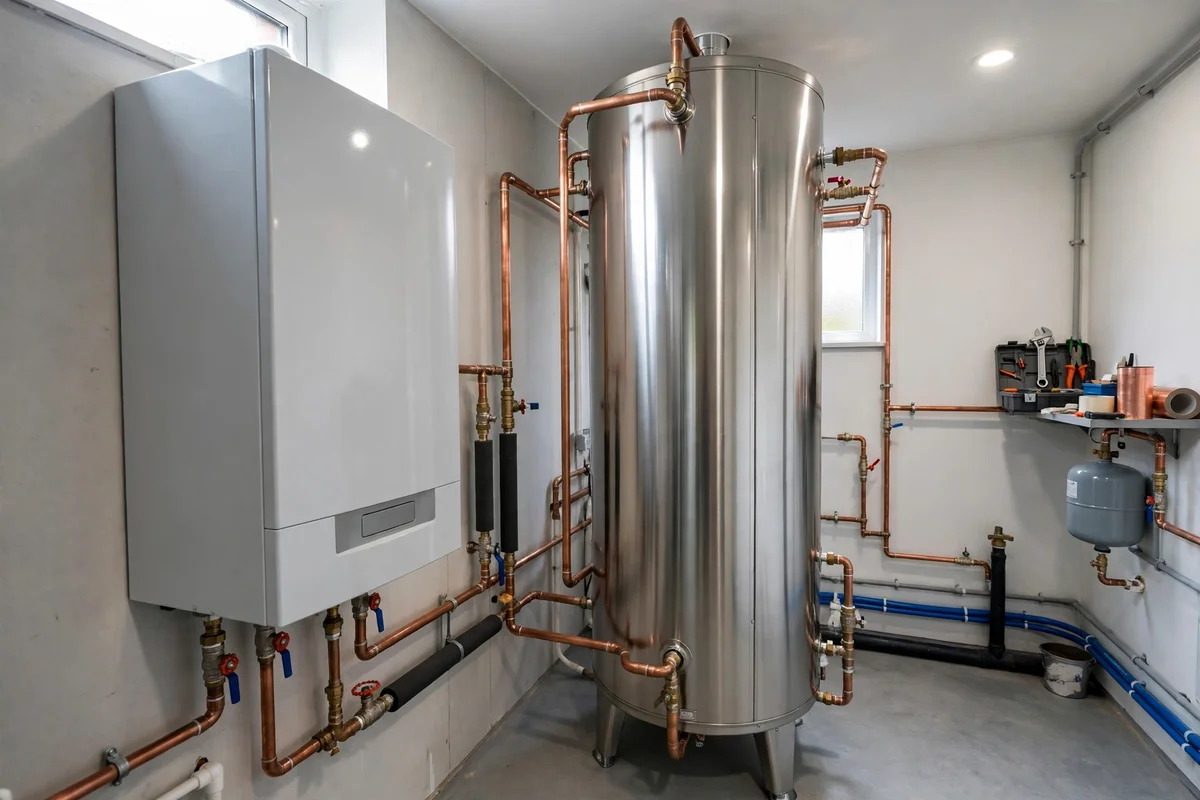
An indirect water heater lets your boiler heat your tap water through a coil inside a storage tank. It gives steady hot water without a separate burner, and it suits busy households well.
An indirect water heater is a storage tank with a heating coil inside. Boiler water flows through the coil, heats the tap water stored around it, and returns to the boiler, while the tap water itself never mixes with boiler water.
That separation is the point. The boiler heats the coil, the coil heats the tank, and the tank stores hot water ready for taps and showers. When a tap opens, hot water leaves the tank and cold water enters to replace it, and the boiler reheats the tank through the coil. A thermostat on the tank tells the boiler when to prioritize hot water, and a mixing valve blends stored water down to a comfortable tap temperature. Because the tank has no burner of its own, there is no second flue, no second burner to service, and no standing flame keeping a tank warm all day.
Tank size shapes daily comfort more than any other choice. A tank that is too small runs out during back-to-back showers, while a tank that is far too large reheats slowly and wastes space. Household size, bathroom count, and habits such as baths, laundry, and dishwashing all shape the size needed. Boiler output matters too: a boiler must have enough spare capacity to reheat the tank while still heating rooms, or hot water recovery will feel slow on cold days. We size the tank and check boiler capacity together, rather than sizing one and hoping the other keeps up.
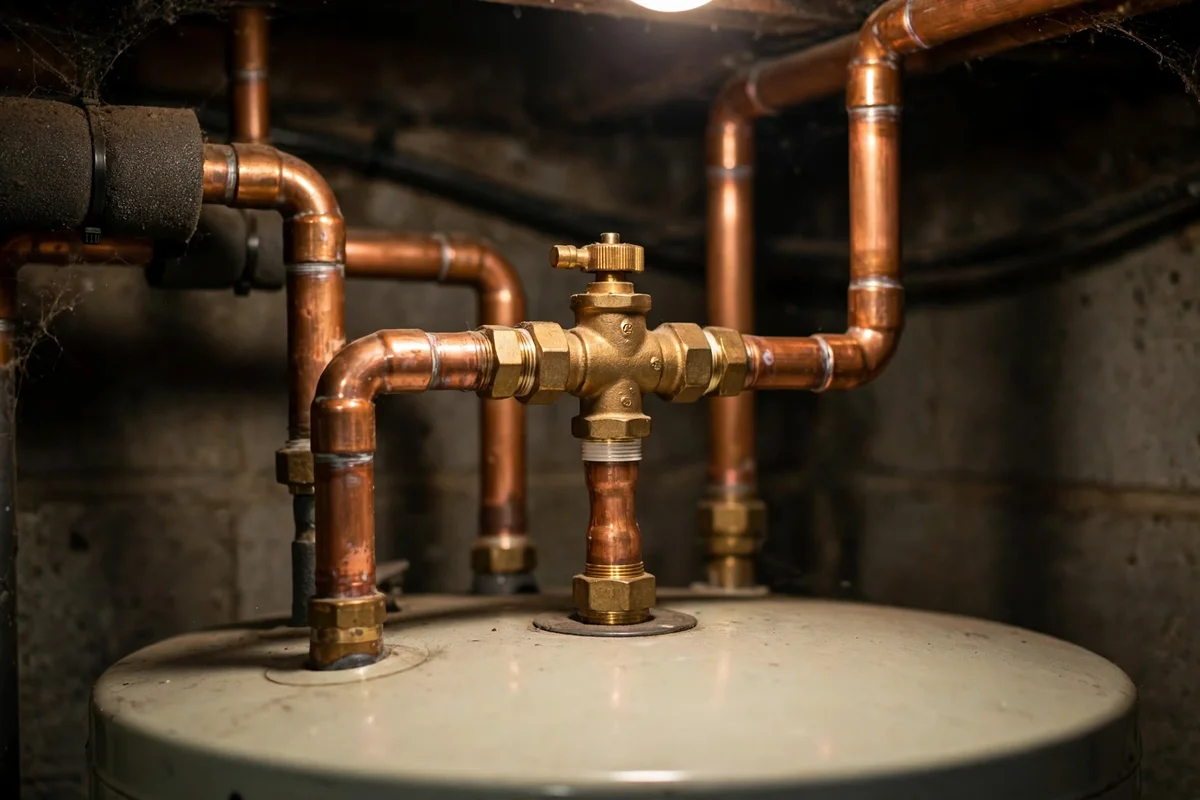
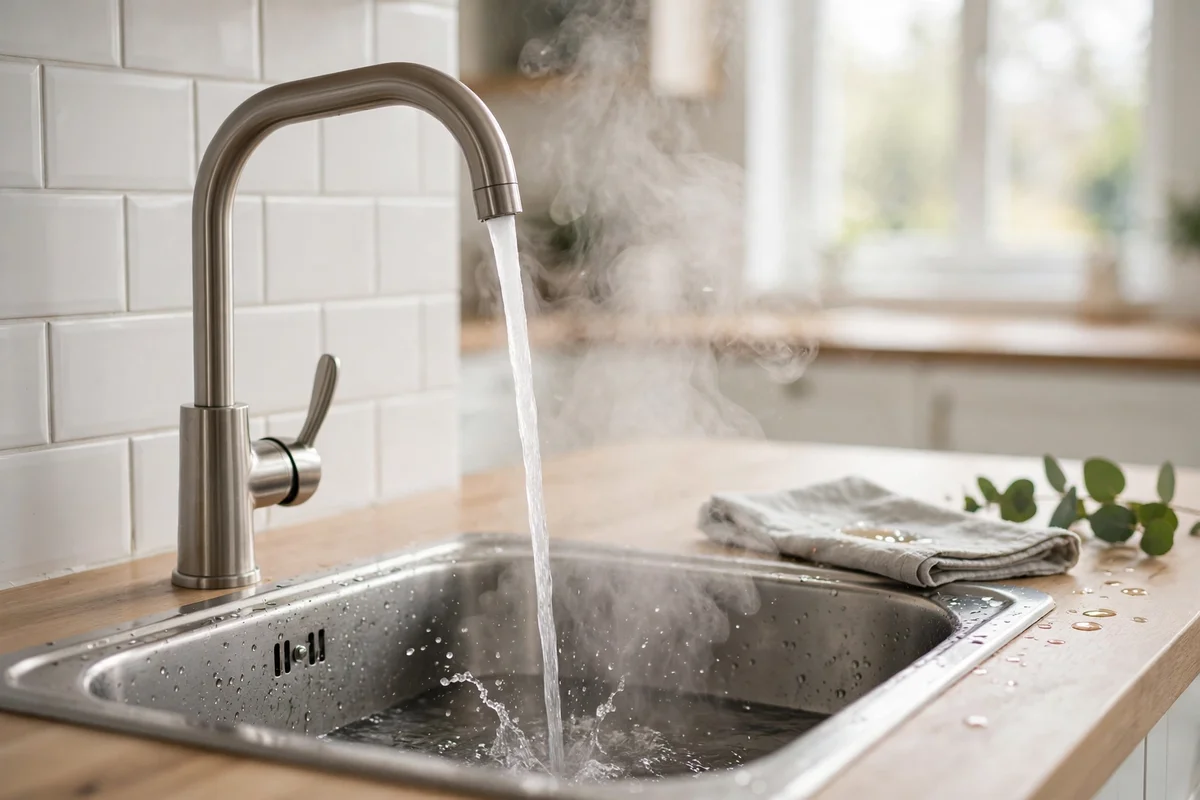
Indirect tank problems usually show up at the tap: water that runs lukewarm, hot water that runs out quickly, or temperatures that swing during a shower. Each symptom points to a different part of the tank and boiler pairing. Tell us how hot water behaves at peak times and at quiet times.
Lukewarm water can mean a scaled or fouled coil, a tank thermostat set wrongly, a zone valve that will not open for hot water, or a boiler that cannot prioritize the tank. Hot water that runs out quickly can mean a tank that is too small, a dip tube fault, or a coil that transfers heat slowly. Temperature swings during a shower can mean a mixing valve fault, a tank that is nearly empty, or another tap drawing water at the same time. We test the tank thermostat, the zone valve, the coil temperatures in and out, and the mixing valve setting, so the fault is proven rather than guessed. A coil that is scaled is cleaned or replaced depending on condition, and a failed thermostat or valve is replaced with a matching part.
Leaks deserve prompt attention. A leak at a tank connection, relief valve, or pipe joint can often be repaired, while a leak from the tank shell itself usually means the tank needs replacement. We check the relief route and expansion provision for the tank, because a tank without room for expansion will discharge water and stress joints. After repair, we run taps in turn, check recovery time, and confirm the mixing valve delivers a steady temperature. Hot water should feel steady from the first tap to the last, not just at the nearest tap to the tank.
Hot water running out too fast? Call (302) 555-0147 and talk through your tank and boiler.
Call (302) 555-0147Installing an indirect tank is a pairing job: the tank, the boiler, the pipework, and the controls must suit each other. A tank fitted without that pairing will disappoint even if every part is new. Tell us about bathroom count and peak use during the survey.
We start with hot water demand: household size, bathroom count, and peak use, such as morning showers or a business washroom rush. That demand sets tank size, and boiler capacity is checked against room heating needs at the same time. Pipework is run from the boiler to the coil with isolation valves for future service, a tank thermostat is fitted and wired for hot water priority, and a mixing valve is set for safe tap temperatures. The relief route and expansion provision are fitted to the tank instructions, and the tank is positioned with service access for the coil, thermostat, and valves. Where an old separate water heater is being removed, we agree its disconnection and removal before the job starts.
Commissioning checks the whole pairing. We fill the tank, vent air, check joints cold and warm, and run the boiler through a hot water cycle while watching coil temperatures and recovery time. Taps are run in turn to confirm steady temperature, and the mixing valve is adjusted to the agreed tap setting. We show you how the tank thermostat works, what the relief discharge means, and when to call if hot water turns lukewarm or runs out unusually fast. A well-paired indirect tank gives quiet, steady hot water without a second burner to tend.
Planning an indirect tank? Call (302) 555-0147 and discuss size and boiler pairing.
Call (302) 555-0147An indirect tank asks little of its owner, and most of its care happens during the boiler visit. A few habits keep hot water steady between visits. Note recovery time changes gradually, because slow change points to coil or thermostat drift.
Note how long hot water lasts during peak use, and whether recovery feels slower than it used to. A gradual change points to coil scaling or a thermostat drift, both of which are simpler to fix early. Check around the tank base and pipe joints for damp from time to time, and note any relief discharge, which points to expansion or pressure faults. Keep the tank area clear so leaks are visible and service access stays open. During a boiler maintenance visit, ask for the tank thermostat, zone valve, and mixing valve to be checked alongside the boiler, and our boiler maintenance and tune-up page covers that visit.
If hot water demand grows, such as a new bathroom or a busier business washroom, tell us before the tank becomes a daily frustration. A larger tank, a coil clean, or a control change may each solve the problem, and the right one depends on what testing shows. We serve homes and businesses across Delaware, and our service areas page shows where we work. For homes that suit a single unit instead, see our combi boiler installation page.
Tank placement shapes daily hot water performance and future service ease, and it deserves thought before a tank is fitted, because a tank moved later means draining, re-piping, and re-commissioning the whole pairing. Tell us about floor strength, headroom, and door widths during the survey.
A tank should sit close enough to the boiler for short coil pipe runs, with clear access to the thermostat, mixing valve, relief valve, and pipe joints, and with a floor that can bear a full tank without flexing. A tank tucked into a corner with no service clearance makes thermostat or valve work difficult and hides leaks until they have spread. Drainage matters too: a relief discharge pipe needs a safe route, and a floor drain or suitable discharge point protects the room if the relief valve ever opens. We agree placement during the survey, checking floor strength, headroom, door widths for tank delivery, and distance to the boiler and to the bathrooms served. A well-placed tank is easy to inspect, easy to service, and easy to live with, because its controls and joints stay visible rather than buried behind storage.
An indirect tank has no burner of its own and is heated by a coil fed from the boiler. A regular water heater has its own burner or element and heats independently. Indirect tanks suit homes that already have a boiler and want steady stored hot water without a second burner.
Size follows household size, bathroom count, and peak hot water use, such as back-to-back showers. A tank too small runs out quickly, while a far larger tank recovers slowly and wastes space. We size from peak demand and boiler capacity together, not from tank size alone.
Yes. The boiler fires for hot water even when room heating is off, because the tank thermostat calls for heat on its own. Room zones stay closed while the boiler reheats the tank, so summer hot water works without heating empty rooms.
Lukewarm water can mean a scaled coil, a thermostat set wrongly, a zone valve that will not open, or a boiler that cannot prioritize the tank. We test each part in turn, starting with thermostat and valve operation, then coil temperatures.
Running out quickly can mean a tank too small for peak demand, a coil transferring heat slowly, or a dip tube fault. We check tank size against use, test coil performance, and confirm the mixing valve setting before recommending a change.
A mixing valve blends hot stored water with cold water to deliver a steady, comfortable tap temperature. A failed or mis-set mixing valve causes scalding-hot or lukewarm taps and temperature swings during showers, and it should be tested during any hot water visit.
Yes. Indirect tanks serve businesses with steady hot water needs, such as washrooms and kitchens, provided tank size and boiler capacity match peak demand. We size for the busiest period, not the average day, so hot water holds up during rushes.
Tank life depends on water quality, maintenance, and whether relief and expansion provisions work properly. Regular checks of thermostat, valves, and joints, plus attention to leaks and relief discharge, help a tank reach a long service life. Water quality, relief discharge, and any leaks around the tank are worth noting.
An indirect tank suits larger homes and busier households that need stored hot water for several taps at once. A combi boiler suits smaller homes with modest demand and limited space. We compare demand, space, and boiler capacity before recommending either route.
Tell us how hot water behaves at peak times, and we will test the tank, coil, and controls to find the cause.
A single-unit alternative for smaller homes with modest hot water demand.
Learn more →The boiler work behind every indirect tank, from burner to pump.
Learn more →New boiler installs that pair correctly with a new or existing tank.
Learn more →Last updated: October 26, 2026.