Boiler Maintenance and Tune-Up
The annual visit that checks burner, heat exchanger, flue, and safety controls.
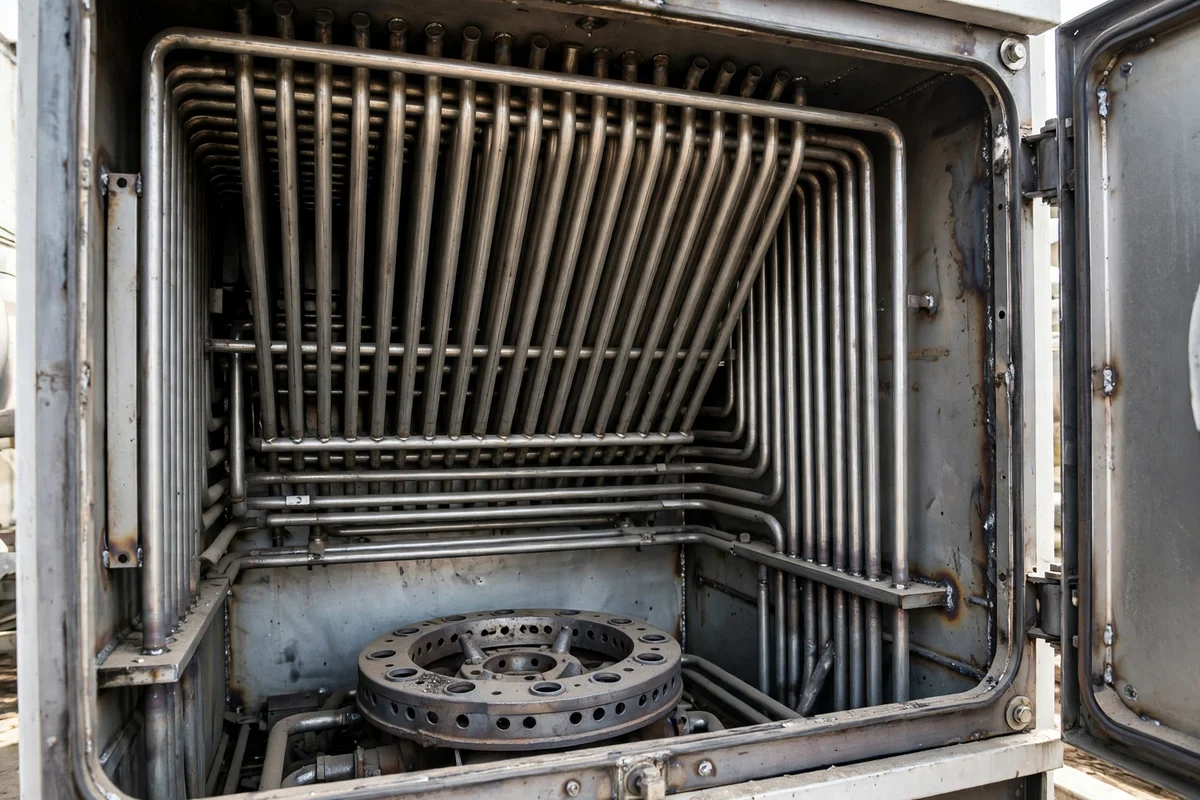
A boiler turns fuel into warm rooms through a chain of simple steps. Follow the journey from burner to radiator, and the system stops feeling mysterious.
By Boiler Guard Delaware
Most owners never see inside their boiler, so the system can feel mysterious when it goes wrong. In truth, a boiler follows a simple chain: fuel burns, heat moves into water, water travels to radiators, and controls keep the whole process safe and steady. Understanding that chain helps you describe faults accurately, spot trouble early, and talk to a technician with confidence. This guide follows the journey step by step, in plain terms.
Once you understand the chain in this guide, you can describe a fault in terms a technician can act on immediately. Instead of saying the heating is not working, you can say the boiler fires but radiators far from the unit stay cold, which points to circulation, or that the boiler locks out after firing, which points to flame sensing or flue trouble. That precision shortens the visit, and it often means the right part arrives on the first trip rather than the second.
The chain starts when the thermostat calls for heat. The boiler's controls open the fuel supply, the ignition lights the burner, and a flame heats the heat exchanger, a set of metal passages that water flows through. The flame never touches the water directly; instead, heat passes through the metal walls of the exchanger into the water.
The burner must mix fuel and air in the right ratio. Too little air makes soot and can produce carbon monoxide, while too much air wastes heat up the flue. That ratio drifts as parts wear, which is why a yearly visit tunes the burner and checks the flame. A steady, even flame means a healthy burn, while a yellow, lazy flame can signal trouble.
Safety controls watch the burner at every step. A flame sensor confirms the flame is lit, and if it is not, the controls shut the fuel off rather than letting unburned fuel build up. That lockout can frustrate owners, but it is the control doing its job, and a repeated lockout means the cause needs finding, not resetting away.
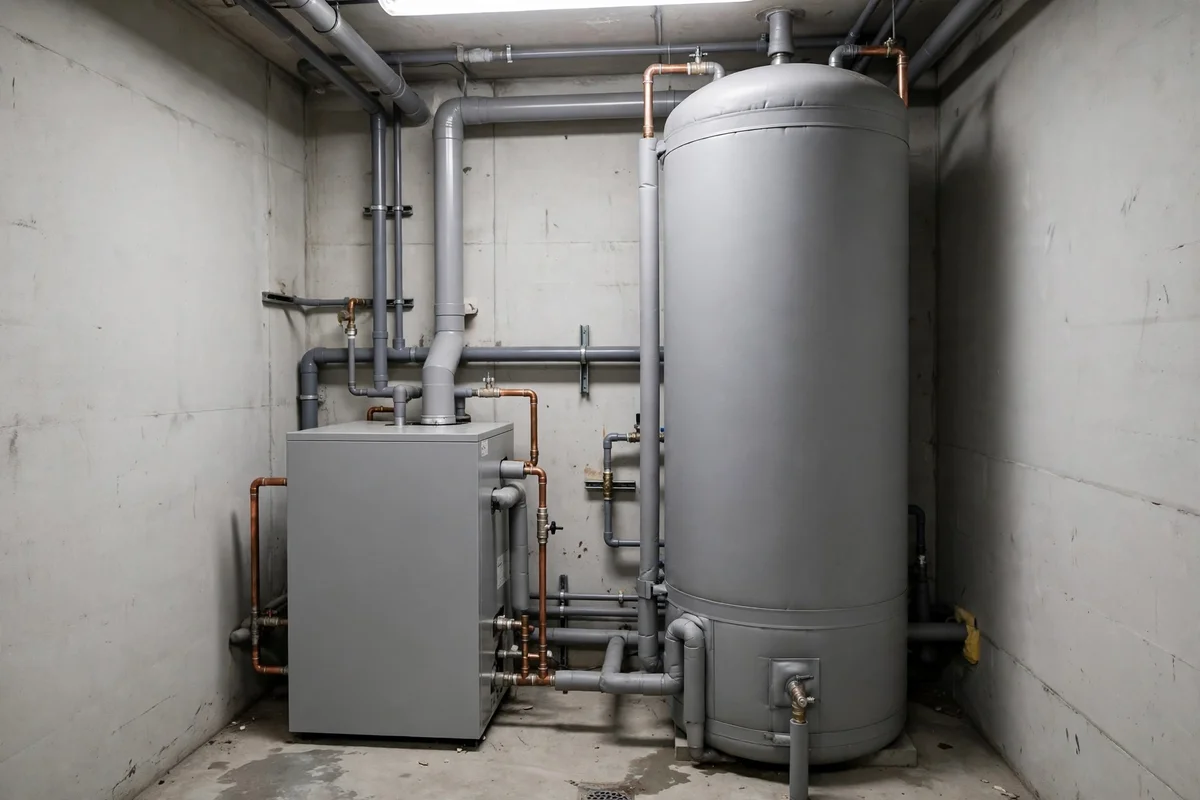
Once the water in the heat exchanger is hot, a pump, called a circulator, pushes it through pipes to the radiators. Hot water enters each radiator, gives heat to the room through the metal surface, cools slightly, and returns to the boiler to be heated again. That loop runs while the thermostat calls for heat.
Zone valves divide the loop into areas, so different parts of the home can heat independently. A valve opens for a zone calling for heat and closes for a zone that is warm enough, and the pump serves whichever zones are open. That zoning is why one part of a house can feel warm while another stays cool, and why a stuck valve shows up as a cold zone.
Radiators themselves are simple: metal surfaces that give heat to room air. Cast iron radiators hold heat for a long time and release it slowly, while panel radiators warm quickly and cool quickly. Both work from the same hot water loop, and both need clear air around them, since furniture and curtains blocking a radiator trap its heat.
Not sure what your system needs?
Call (302) 555-0147The thermostat is the control owners know best, but the boiler carries several more. A pressure relief valve opens if system pressure climbs too high, sending water safely down a discharge pipe. An expansion vessel absorbs the normal pressure rise as water heats, so the relief valve only opens when something is wrong, not on every cycle.
A low-water cutoff protects steam boilers, and some hot water systems, by shutting the burner off if water level falls too low. Temperature limits stop the boiler overheating, and the flue carries exhaust safely outside. Together, those controls mean a boiler can fail safely, shutting down rather than running into danger, which is why a lockout should be respected, not overridden.
Modern boilers add modulation, turning their output up and down to match demand rather than firing at full power or not at all. That steady output holds rooms at an even temperature, uses fuel more sensibly, and wears parts less than constant stop-start cycling. It is one of the main advances in newer boilers, and it is why a well-sized modern unit feels calmer than an older one.
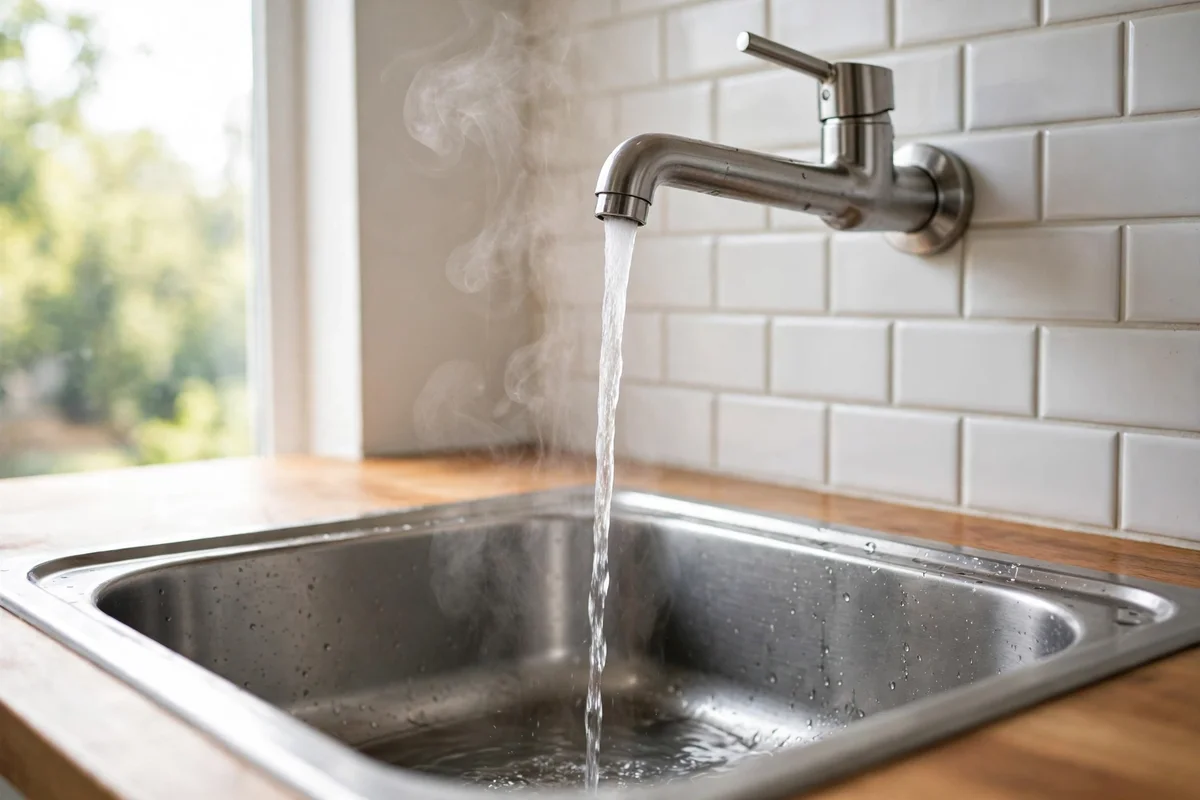
Many boilers heat tap water as well as radiators, in one of two ways. An indirect tank holds a store of hot water, heated by a coil from the boiler. A combi boiler, by contrast, heats tap water on demand, firing up when a tap opens and heating water as it flows through.
Each arrangement suits different homes. A stored tank suits larger households that use several taps at once, while a combi suits smaller homes with lower peak demand and less space for a tank. The choice affects boiler sizing, since a combi must keep up with tap flow, while a stored system sizes mainly for heating.
If you want to understand your own system better, start by looking at it: find the boiler, the pump, the expansion vessel, and the pipe runs, and note whether you have a tank or a combi. Then call us with any questions, and we will explain what you have in plain terms. Homes across Delaware can reach us on the number at the top of this page, and we are glad to explain a system before it ever goes wrong. See also our Boiler Maintenance and Tune-Up page for details on what that involves.
A heat exchanger is a set of metal passages that water flows through, heated by the burner flame on the outside. Heat passes through the metal walls into the water, without flame touching water directly. Its condition matters greatly, since cracks or heavy scale let water escape or exhaust leak, and both change the repair decision.
A pump, called a circulator, pushes hot water from the boiler through pipes to radiators and back again. Without it, hot water would not reach rooms far from the boiler, and heat would stay near the unit. A tired pump shows up as slow or uneven heating, especially in rooms far from the boiler.
A thermostat senses room temperature and calls for heat when the room falls below its setting, then stops calling when the room reaches it. It does not make the boiler work faster, and setting it higher only makes the boiler run longer. A steady, realistic setting gives the most even comfort.
A boiler burns fuel to heat water, then a pump pushes that water through pipes to radiators, which give heat to rooms. The cooled water returns to the boiler to be heated again, in a loop that runs while the thermostat calls for heat and stops when rooms reach their setting.
Inside a boiler sit a burner, a heat exchanger, ignition parts, a pump, safety controls, and a flue connection. The burner heats the heat exchanger, water flows through it to radiators, and controls watch flame, pressure, and temperature, shutting the boiler down safely if anything goes wrong.
A flue carries exhaust gases from burning fuel safely outside the home. A blocked or corroded flue can spill exhaust indoors, which is dangerous, so the flue terminal must stay clear and the flue itself must be checked at the annual visit. Never block a flue to stop a draft.
A combi boiler heats tap water on demand, firing up when a tap opens and heating water as it flows through the unit. It needs no stored tank, which saves space, but it must keep up with tap flow, so a home with several taps used at once may suit a stored tank better.
An expansion vessel absorbs the normal pressure rise as heating water warms and expands. Without it, pressure would climb until the relief valve opened on every cycle. A vessel that loses its charge lets pressure rise too far, which shows up as drips from the relief pipe and a gauge reading high.
A boiler cycles when rooms reach their thermostat setting, which is normal, but short, frequent cycling can point to an oversized boiler, a control fault, or a circulation problem. Steady, longer burns are healthier for the system, so frequent short cycling deserves a check rather than being ignored.
Tell us what boiler you have, and we will explain how it works and what it needs, in plain terms.
The annual visit that checks burner, heat exchanger, flue, and safety controls.
For homes that want heating and hot water from one unit.
For homes with a stored hot water tank heated by the boiler.
Last updated: October 26, 2026.