Boiler Maintenance and Tune-Up
Steady annual care that keeps an older boiler running safely and evenly through Delaware winters.
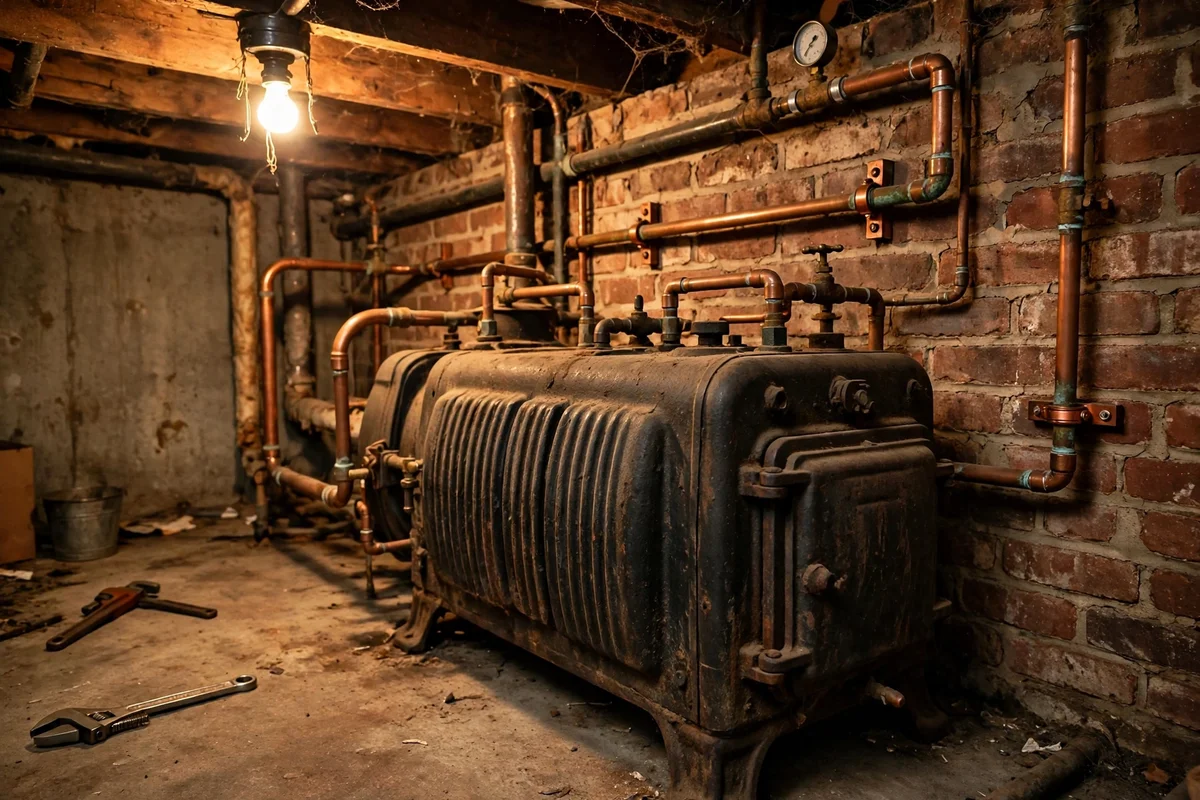
A boiler rarely quits without warning. Learn how long these systems usually serve Delaware homes, and what shortens or extends that life.
By Boiler Guard Delaware
Many Delaware homes still heat with the boiler they were built around, and owners often ask us how much life is left in it. The honest answer depends on the type of boiler, how steady its care has been, and the water running through it. A well-kept cast iron boiler can serve for decades, while a neglected unit of any type can fail far sooner. This guide walks through what to expect, what wears out first, and how to plan ahead instead of reacting to a cold house.
Before you judge your own boiler, it helps to know what a technician looks at during a visit. We check the boiler body for corrosion, the burner for a steady flame, the controls for wear, and the pipework for leaks and sludge. We also ask how the system has behaved across recent winters, since a pattern of small faults tells a clearer story than any single breakdown. That full picture, rather than a date stamped on the unit, is what guides an honest answer about remaining life, and it is the same picture this guide helps you build for yourself.
Most boilers give many years of service, and cast iron models often last the longest, commonly reaching several decades when they get steady care. Steel and modern wall-hung units tend to have shorter lives, but they still serve well for a long stretch. Regular attention stretches life; long gaps shorten it.
In Delaware, older homes in Wilmington and New Castle often still run cast iron boilers installed generations ago. Those heavy units tolerate age well, but their controls, pumps, and valves wear out long before the iron body does. We look at the whole system when we judge age, not just the date on the unit.
Water quality plays a quiet role too. Hard water and sludge build up inside pipes and radiators, forcing the boiler to work harder and run hotter. A system flush and clean water can ease that strain. If your radiators heat unevenly or your boiler rumbles, that buildup may already be at work.
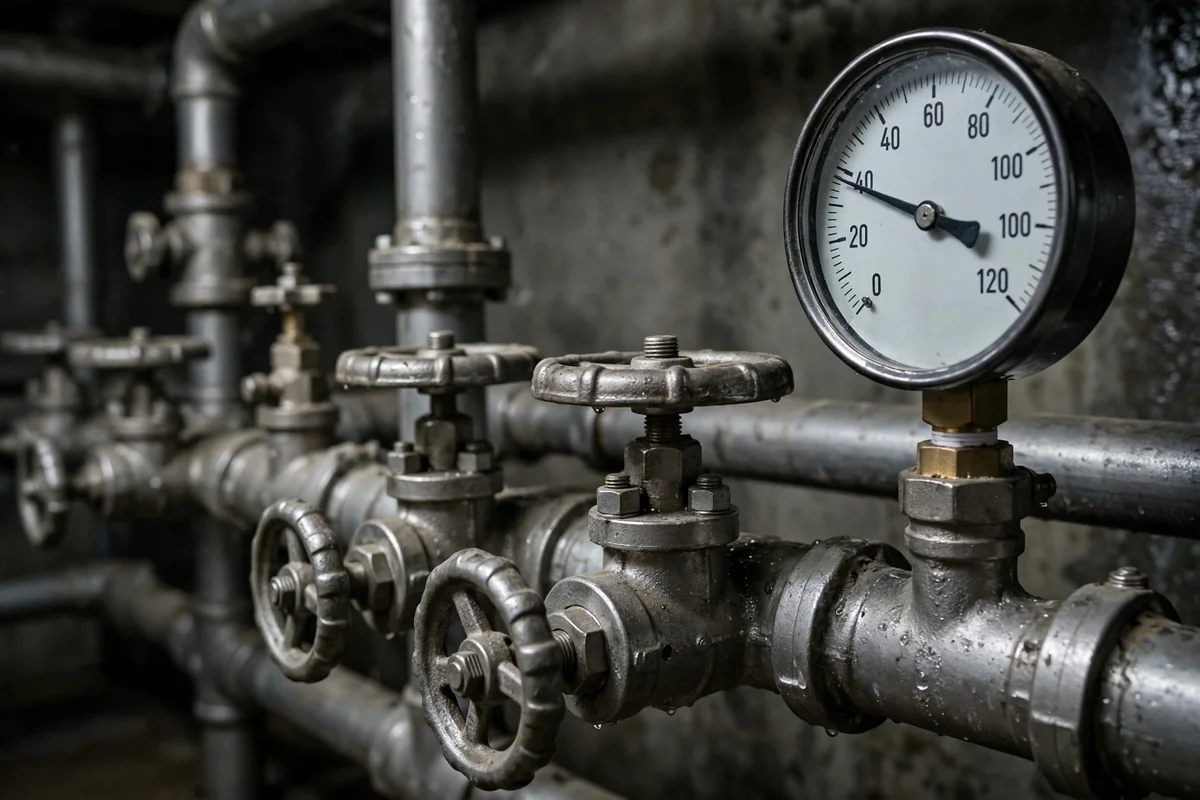
Pumps, zone valves, thermostats, and safety controls usually fail before the boiler body itself. These parts cycle thousands of times each winter, and their wear shows up as rooms that stay cool, radiators that gurgle, or a boiler that locks out. Replacing a worn part is normal upkeep, not a sign the whole system is finished.
The heat exchanger is the part to watch most closely. Cracks or heavy corrosion there can let water escape or let exhaust gases leak into the home, and that changes the decision from repair to replacement. Rust stains, damp patches near the unit, or a smell of exhaust near the boiler all deserve a prompt look.
Vents and flues age as well, especially on older oil and gas units. A blocked or corroded flue can spill exhaust indoors, which is a safety matter rather than a comfort matter. During a visit we check the vent path as carefully as the boiler itself, because a sound boiler with a failing flue is still unsafe.
Not sure what your system needs?
Call (302) 555-0147Delaware winters are milder than winters farther north, but they still bring long cold snaps that keep a boiler running hard for weeks. That steady load is easier on a system than short bursts. The harder strain comes from damp basements and humid summers, which speed rust on exposed pipes and fittings.
Homes near the coast face extra moisture in the air, and that moisture settles on cold metal in utility rooms. Keeping the area around the boiler dry and clear of stored items helps slow that corrosion. A small dehumidifier or better basement airflow can make a real difference over the years.
If you spend winters away, do not simply switch the system off and leave the house cold. Pipes can burst in an unheated home, and a boiler that sits idle for months can seize up. Set the thermostat low but steady, and ask us to check the system before the first hard cold arrives.
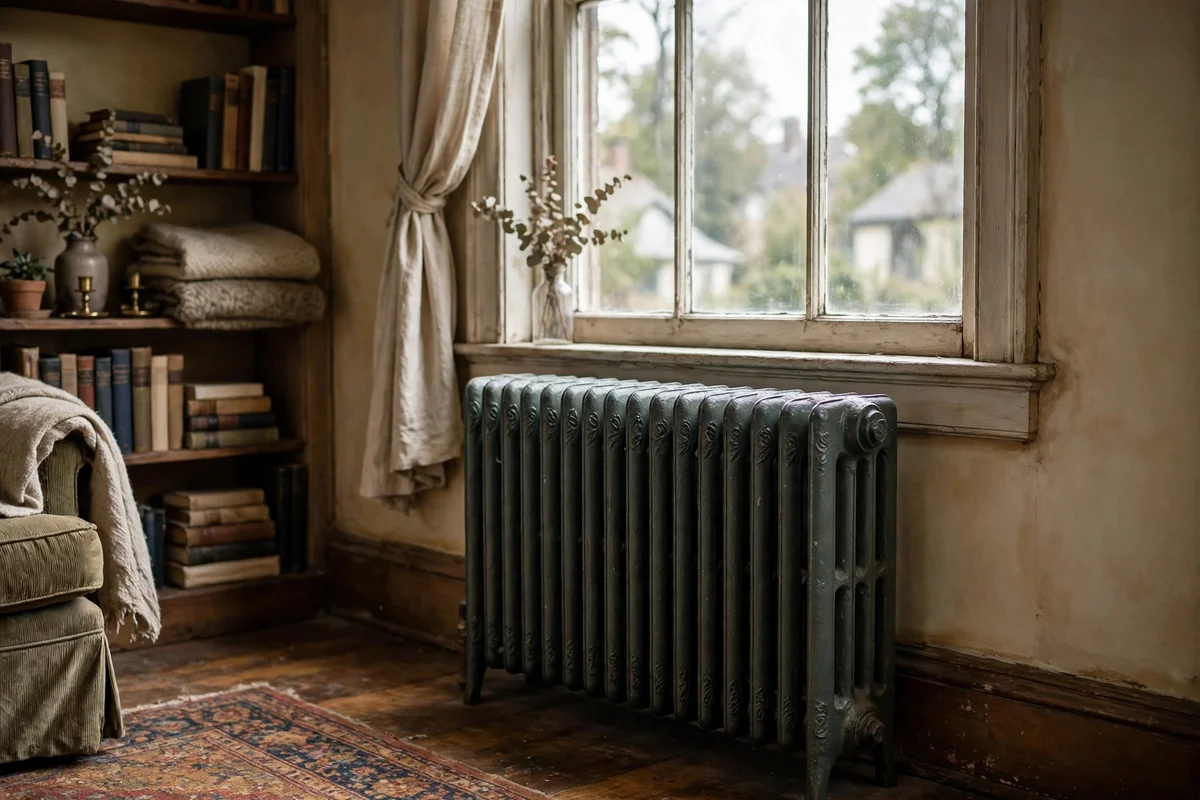
Plan a replacement when repairs grow frequent, parts become hard to find, or the boiler leaves rooms cold despite repeated fixes. A unit that needs attention every winter is telling you its reliable years are ending. Planning ahead also lets you choose timing, rather than facing a breakdown in the middle of a cold snap.
Age alone is not a verdict. We have seen old boilers run steadily after a control or pump change, and we have seen younger units fail early after years without care. Judge by performance, safety, and repair history together. If two of those three point the same way, replacement is usually the sensible path.
When you are ready to talk about a new boiler, call us and describe what your system is doing. We will look at the unit, the radiators, and the pipework, then talk through options that fit the house. A measured choice now beats a rushed one later, and a planned install keeps your home warm without the stress of a midwinter failure. See also our Boiler Maintenance and Tune-Up page for details on what that involves.
Age alone does not condemn a boiler. Look at how it performs, how often it needs repairs, and whether its parts are still available. A boiler that heats evenly, runs quietly, and needs only routine care can keep serving even at an advanced age, while a younger unit with constant faults may be near the end.
Yes, often by years. Pumps, controls, valves, and thermostats wear out faster than the boiler body, and replacing them restores normal operation. A new part only helps when the core of the boiler is still sound, though, so we always check the heat exchanger and flue before recommending a repair.
Mild winters can help, since the boiler runs at a steadier load instead of cycling hard. Damp air and humid basements work the other way, speeding rust on pipes and fittings. In Delaware, keeping the boiler room dry matters as much as the winter temperature for long system life.
Cast iron boilers are known for long service, and many run for several decades when they receive steady care. Their heavy sections resist wear, but controls, pumps, and valves still need attention over time. Judge the system by its condition and performance, not by its age alone, and keep up with routine visits.
Neglect shortens life more than any single fault. Skipped service visits let sludge build up, pressure drift, and small leaks go unnoticed until they cause larger damage. Damp surroundings and hard water add strain too. Steady care, clean water, and prompt attention to small faults protect the system best.
Not always. A boiler that heats well, runs quietly, and passes safety checks can keep going even when it is old. Consider replacement when repairs grow frequent, parts are hard to find, or rooms stay cold despite fixes. Planning ahead gives you time to choose, rather than deciding during a breakdown.
Yes, an annual visit is the standard rhythm for most boilers. A yearly check catches worn parts, tests safety controls, and clears buildup before it causes trouble. Homes with older systems or oil-fired units benefit even more from that steady routine, since small faults show up earlier and cost less to fix.
Watch for frequent lockouts, rising repair visits, uneven heat, new noises, rust stains, and damp patches near the unit. Any one sign deserves a look, and several together suggest the system is nearing the end of its reliable life. Call us to talk through what you are seeing before the next cold snap.
Yes, minerals in hard water settle inside pipes, radiators, and the heat exchanger, narrowing passages and forcing the boiler to work harder. Over time that strain can cause overheating and leaks. A system flush and water treatment can slow the buildup and help the boiler run at its normal pace.
Tell us how old your system is and how it has been behaving. We will check it over and talk through whether repair or replacement makes sense.
Steady annual care that keeps an older boiler running safely and evenly through Delaware winters.
When repair stops making sense, a planned replacement fitted to your home and radiators.
A plain guide to weighing repair history, safety, and comfort when your boiler starts to fail.
Last updated: October 26, 2026.