Oil to Gas Boiler Conversion
A full conversion, from gas connection and new boiler to tank removal and oil disposal.
Oil and gas both heat Delaware homes well, but they differ in fuel, storage, and upkeep. Learn how each works and which fits your home.
By Boiler Guard Delaware
Delaware homes heat with both oil and gas, and the choice often comes down to what already serves the street. Homes with a gas line usually run gas, while homes beyond the gas network, common in rural Kent and Sussex counties, often run oil. Both fuels heat well, and both have loyal owners. This guide compares them on fuel, storage, upkeep, and changeover, so you can understand the system you have and judge a switch with clear eyes.
Whichever fuel your home uses, the habits that protect it are similar: an annual visit, attention to smells and stains, and prompt action when something changes. Oil owners add tank watching to that list, while gas owners add carbon monoxide alarm testing, but the rhythm is the same. If you are comparing fuels for a future change, keep your recent bills and delivery records handy, since real numbers from your own home beat any general claim about which fuel costs less to run.
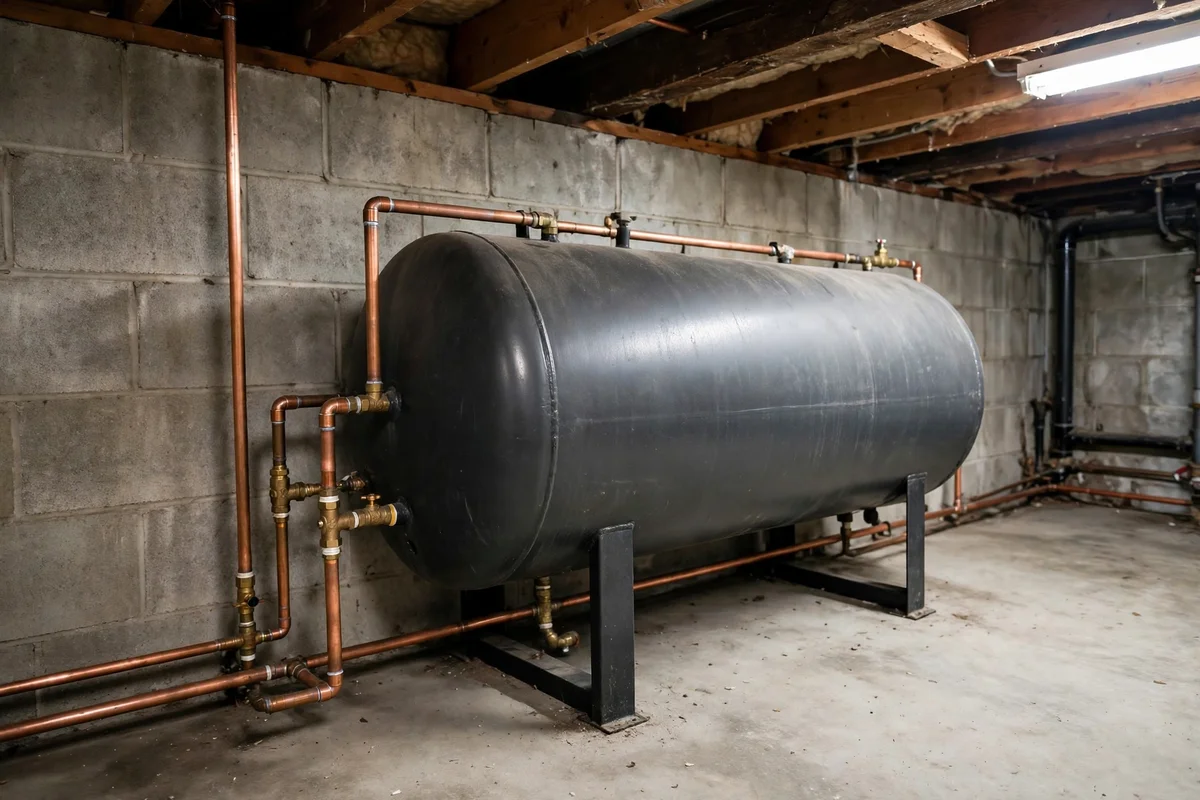
An oil boiler burns heating oil in a burner, and the heat passes through a heat exchanger into water, which travels to radiators or baseboards. Oil arrives by delivery truck and sits in a tank, usually in the basement or outside, until the burner needs it. The owner watches the tank gauge and orders before it runs low.
Oil burners need regular attention. The nozzle, filter, and electrodes wear and soot up, and a yearly service cleans and tunes them so the burner fires cleanly. A sooty burner wastes fuel and can lock out, so the annual visit matters more for oil than for most gas systems. Keep the area around the burner clear, and note any smell of oil, which can mean a leak at a fitting or tank.
Oil tanks age too. Steel tanks rust, especially at the bottom where water settles, and a tank that leaks can damage floors and soil. Check the tank for rust, damp patches, and a smell of oil, and ask us to look at it during a visit if anything seems off. A sound tank and a tuned burner make oil heat reliable for years.
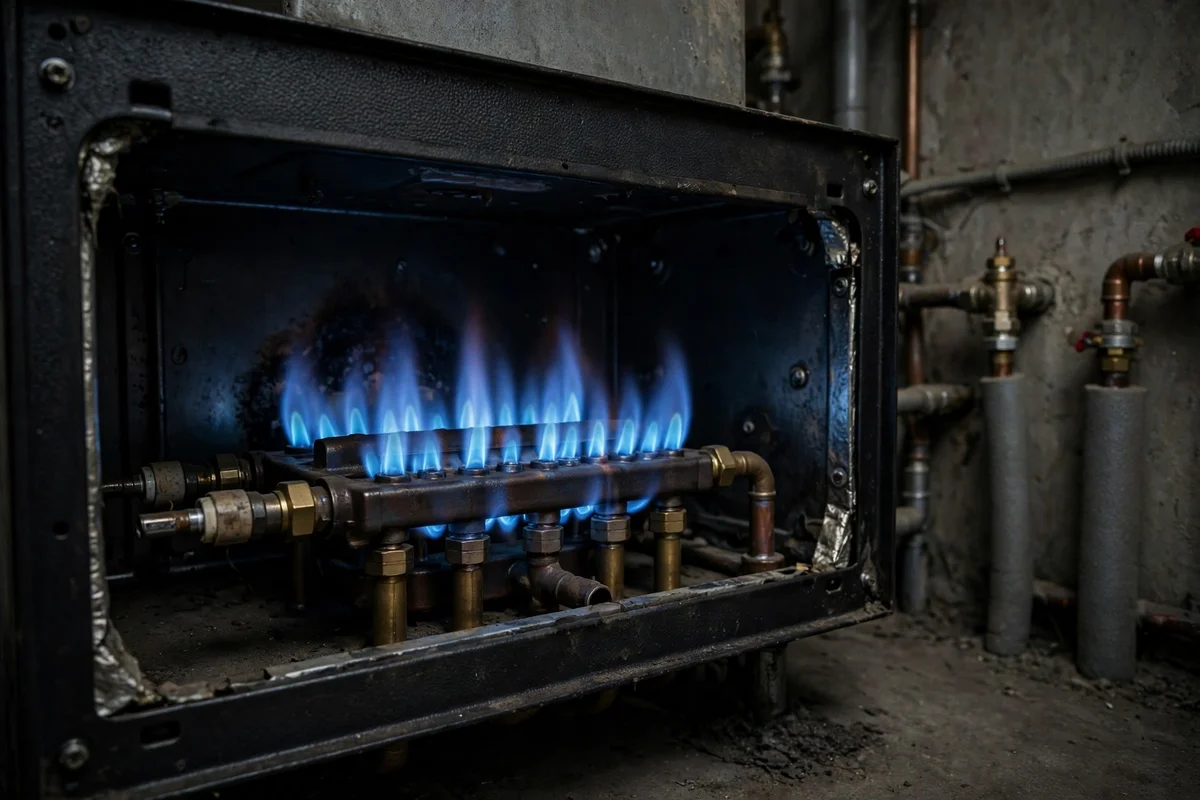
A gas boiler burns natural gas from a piped supply, so there is no tank to watch and no delivery to order. The gas arrives on demand, the burner fires when the thermostat calls, and the system runs with little owner involvement beyond an annual check. That convenience is the main reason homes with a gas line usually choose gas.
Gas boilers run cleaner than oil burners, with less soot and fewer burner parts to tune. They still need an annual visit to check the burner, heat exchanger, flue, and safety controls, since a gas fault can spill exhaust indoors. A carbon monoxide alarm near the boiler and near sleeping areas is a must for any gas home, and it should be tested before winter.
Gas supply has one limit: it only reaches homes on the gas network. If your street has no gas main, connecting can mean a long and costly extension, or it may not be possible at all. For those homes, oil, or another fuel, remains the practical choice, and a well-kept oil system heats just as well.
Not sure what your system needs?
Call (302) 555-0147Start with what serves your street. If a gas line already reaches your home, gas is usually the simpler choice, with no tank, no deliveries, and cleaner burning. If your home sits beyond the network, oil is the established option, and rural Delaware has a long history of oil heat with delivery routes that cover the state.
Fuel habits matter too. Oil owners watch a gauge and plan deliveries, while gas owners are billed for what they use as they use it. Some owners like the control of ordering oil when they choose, while others prefer the hands-off nature of piped gas. Neither habit is better in itself, but the one that fits your routine will feel easier over the years.
Home layout plays a role as well. Oil needs space for a tank, indoors or outside, with clear access for delivery and inspection. Gas needs only the boiler and its flue, which suits smaller utility rooms. If space is tight and gas is available, that alone can settle the choice.
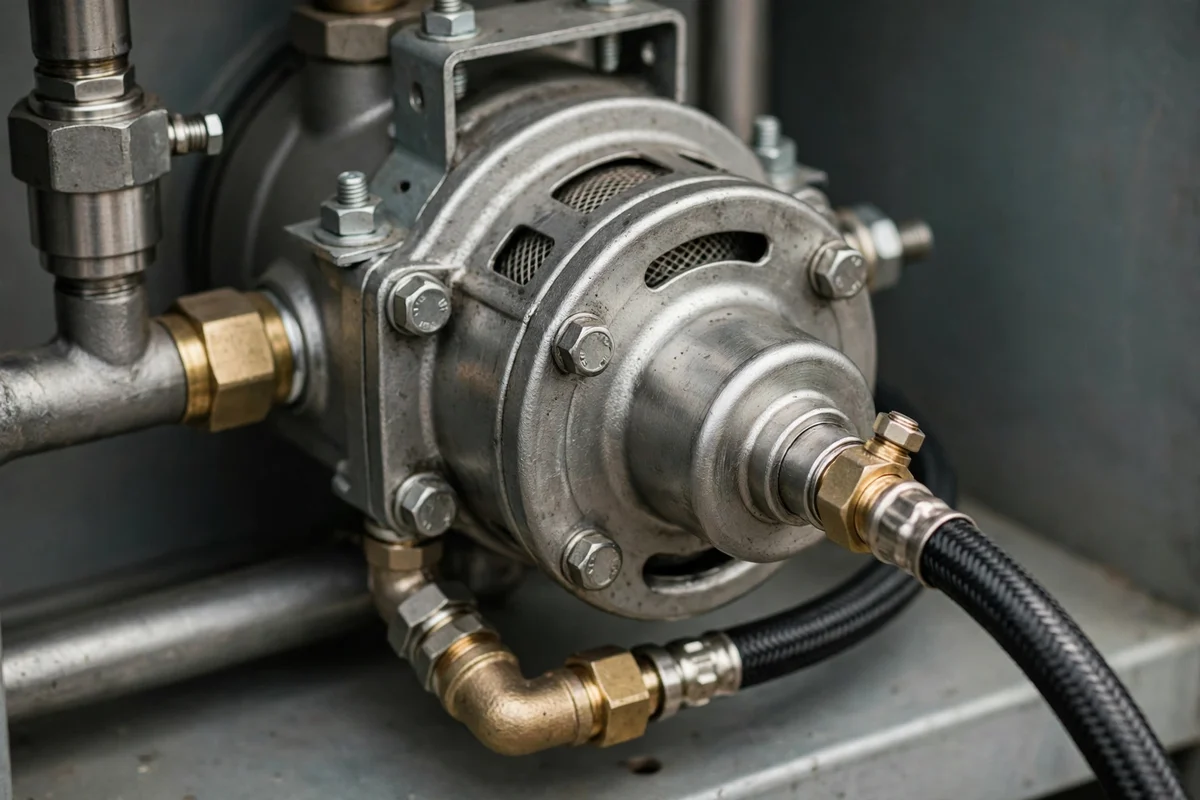
Yes, switching from oil to gas is a common job, and we handle it as a full conversion. It means a new gas boiler, a gas connection, removal or decommissioning of the old tank, and proper disposal of any remaining oil. The work takes planning, and the gas connection itself depends on the network reaching your street.
The timing of a switch matters. Converting during a planned replacement, when the old boiler is already near the end of its life, makes more sense than replacing a sound oil boiler early. Weigh the age of your current system, the state of your tank, and the cost of the gas connection together, rather than judging fuel alone. The U.S. ENERGY STAR program lists boilers that meet its efficiency criteria, which can help when you compare fuel options.
If you are weighing a switch, call us and tell us what fuel your home uses now and whether gas reaches your street. We will look at the boiler, the tank, and the pipework, then talk through the conversion honestly, including when staying with oil is the better call. We serve homes across Delaware on both fuels, and we will not push a switch your home does not need. See also our Oil-to-Gas Boiler Conversion page for details on what that involves.
Fuel prices move, so the honest answer changes with the market. Gas often runs at a lower day-to-day fuel level, while oil owners can choose when to order and shop among suppliers. Compare your own recent bills and delivery prices rather than trusting a general claim, since your home's insulation and boiler matter as much as fuel.
A well-tuned oil boiler should not fill the house with an oil smell. A faint smell near the boiler at startup can be normal, but a persistent smell, or oil on the floor, means a leak at a fitting, filter, or tank, and it deserves a prompt check. Never ignore an oil smell that grows stronger.
Most modern gas boilers need electricity for controls, pumps, and ignition, so they stop in a power cut just like oil boilers do. Older pilot-lit models may behave differently, but the pump still needs power to move water. If winter power cuts worry you, ask us about backup options for your system.
Oil boilers burn delivered heating oil from a tank, while gas boilers burn natural gas from a piped supply. Oil needs tank watching and delivery orders, while gas arrives on demand. Both heat water for radiators, and both need an annual check, but oil burners need more frequent tuning.
Yes, oil burners need more regular tuning, since nozzles, filters, and electrodes soot up with use. A yearly service cleans and tunes those parts so the burner fires cleanly. Gas boilers still need an annual visit, but their burners run cleaner and need less frequent adjustment.
Heating oil stores well for months when the tank is sound and water is kept out, but it does degrade slowly, and water settling at the bottom can feed sludge. Watch the gauge, order before the tank runs low, and ask us to check the tank during a visit if it is old or shows rust.
Both fuels are safe when the system is well kept, and both need working safety controls and alarms. Gas needs a carbon monoxide alarm and attention to any gas smell, while oil needs attention to leaks and tank condition. The safest system of either fuel is the one that gets its annual check.
Yes, conversion is a common job that means a new gas boiler, a gas connection, removal of the old tank, and proper oil disposal. The first step is confirming gas reaches your street, since a long extension can change the cost. Converting at a planned replacement makes the most sense.
The better boiler is usually the one that fits what already serves the home. An older home with a sound oil tank and no gas line is well served by a good oil boiler, while a home with a gas line suits gas. Judge by fuel availability, tank condition, and boiler age together, not by fuel alone.
Tell us what fuel your home uses and whether gas reaches your street. We will explain your options in plain terms.
A full conversion, from gas connection and new boiler to tank removal and oil disposal.
Annual care that matters most for oil burners, and keeps gas systems safe too.
The technology behind most modern gas boilers, and why it uses less fuel.
Last updated: October 26, 2026.