Emergency Boiler Repair
After the emergency response, a technician to find and fix the boiler fault safely.
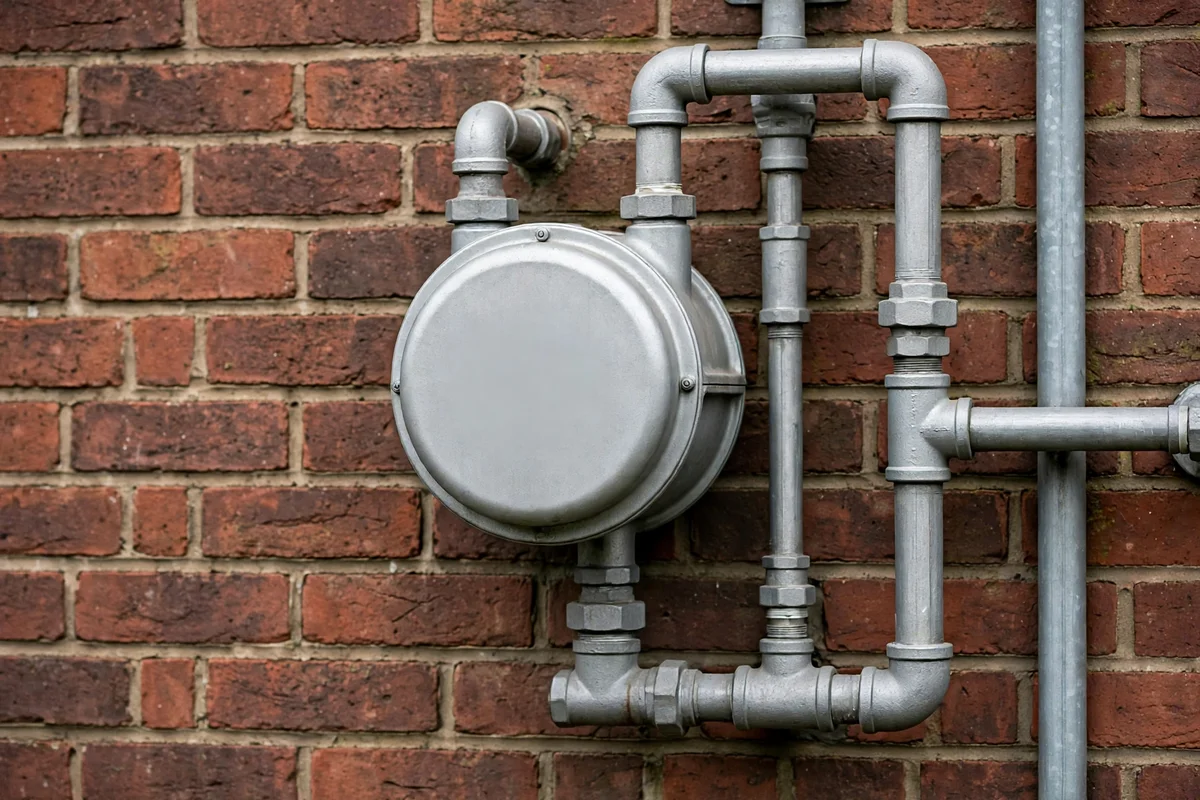
A gas smell near a boiler is an emergency, not a fault to watch. Learn the exact steps, in order, and what never to do.
By Boiler Guard Delaware
Natural gas has a smell added to it on purpose, so a leak announces itself with a rotten-egg odor that is hard to miss. If you smell gas near your boiler, the steps you take in the next few minutes matter more than any diagnosis, and the first step is always to leave. This guide gives those steps in order, explains what never to do, and covers what happens after the emergency call. Read it now, while there is no emergency, so the steps are familiar if you ever need them.
The best preparation for a gas smell is a conversation held on an ordinary day, not in an emergency. Tell everyone in the house what a gas smell means, that the response is to leave without touching switches, and that the call comes from outside. Agree a meeting point clear of the building, such as a neighbor's porch or the end of the drive, so nobody re-enters looking for someone else. That short talk, held once and repeated when new people move in, is what turns panic into a practiced response.
Leave the house at once, taking everyone, including pets, with you. Do not stop to open windows, switch off the boiler, or look for the leak, since those actions take time and can create a spark. Get clear of the building, and do not use a phone, light switch, or any electrical device inside.
Once outside and clear of the building, call the gas company or emergency services and describe the smell and where you noticed it. Give your address and stay on the line if asked. Do not go back inside to fetch belongings, and do not re-enter until responders say it is safe, even if the smell seems to fade.
Warn neighbors only if you can do so from outside without re-entering. A strong gas smell that reaches outside, or a hissing sound near a meter or pipe, means the leak may affect more than your home, and responders need to know that. Your job is to get out and call, not to trace the leak yourself.
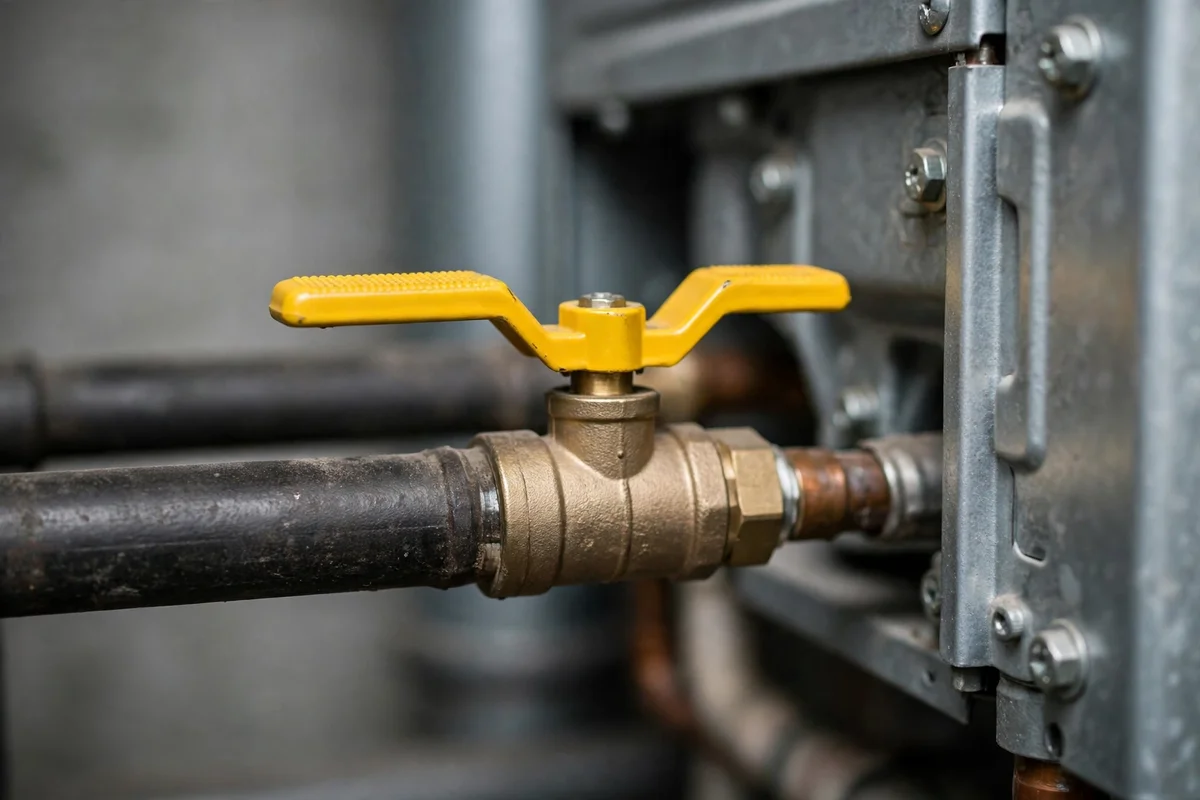
Never switch lights, appliances, or phones on or off inside a home where you smell gas. A tiny spark from a switch can ignite gas in the air, and that risk is why leaving without touching electrics is the first rule. Do not light matches, candles, or cigarettes, and do not start a car in an attached garage.
Never try to fix a gas leak yourself. Gas pipework, valves, and boiler gas connections need trained hands and proper testing, and a well-meaning tighten can make a leak worse. Do not open the boiler casing to look for the leak, and do not turn the gas supply back on after responders or a technician have turned it off.
Never assume a faint smell is harmless. Gas smells can fade as you get used to them, and a small leak can still fill a closed room over hours. A faint smell deserves the same response as a strong one: leave, call from outside, and let responders judge it with proper equipment.
Not sure what your system needs?
Call (302) 555-0147Responders will check the home with gas detection equipment, find the leak if it is present, and make the area safe, which may mean turning the gas supply off. They will tell you when it is safe to re-enter. Follow their instructions exactly, and do not restart the boiler until a technician has checked it.
After the emergency, a technician needs to find and fix the cause, which may be a loose fitting, a worn valve, a cracked pipe, or a boiler gas connection fault. The repair must be tested for leaks before the gas is restored, and the boiler must be checked for safe operation. That testing is not optional, and it should never be rushed.
If the leak came from the boiler itself, the boiler may need a part change or, in rare cases, replacement, depending on what failed. We will explain what was found and what the fix involves, in plain terms, once the home is safe. The emergency response comes first, and the repair conversation follows it, never before it.

Keep the boiler area clear and ventilated, and never block air vents or flue terminals. Book an annual boiler visit, which checks gas connections, valves, and the burner for leaks and wear. A visit cannot catch every future fault, but it catches the slow deterioration that leads to many leaks.
Know where your gas meter and shutoff are, and show everyone in the house, but only use the shutoff if you can do so safely and responders advise it. In most cases, leaving and calling is safer than hunting for a valve in a home filling with gas. Familiarity with the shutoff helps after an emergency, not during the first minutes.
Fit and test a carbon monoxide alarm as well, since gas appliances can produce CO when they burn badly, and that hazard is separate from a gas leak. The two hazards need different responses, and this guide covers the gas leak steps. If you ever smell gas, remember the order: leave, call from outside, and wait for the all-clear. See also our Emergency Boiler Repair page for details on what that involves.
Natural gas has a rotten-egg smell added on purpose, so a leak smells distinct from normal household odors. A musty drain smell, a paint smell, or a smell from a new appliance can confuse the picture, but when in doubt, treat it as gas: leave and call from outside, and let responders judge it.
No, do not stop to open windows. Opening a window takes time in a home filling with gas, and it can also create a spark from a handle or frame. Leave at once without touching switches or windows, and let responders ventilate the home once it is safe to do so.
Only if you can do so safely from outside or without re-entering a home filling with gas, and only if responders advise it. In most cases, leaving and calling is safer than hunting for a valve. Never turn gas back on after it has been shut off, since restoration needs leak testing first.
Leave the house at once with everyone, including pets, without switching lights, phones, or appliances on or off. Once outside and clear of the building, call the gas company or emergency services. Do not go back inside until responders say it is safe.
Yes, treat a faint smell as seriously as a strong one. Smells can fade as you get used to them, and a small leak can fill a closed room over hours. Leave, call from outside, and let responders judge it with proper equipment rather than deciding yourself that it is harmless.
Call the gas company or emergency services from outside the home. Give your address and describe where you noticed the smell. Stay on the line if asked, and do not re-enter until responders say it is safe. A heating technician comes after the emergency response, not instead of it.
No, do not use a phone, light switch, or any electrical device inside a home where you smell gas. A tiny spark can ignite gas in the air. Leave first, then call from outside, clear of the building, once you are safe.
A gas smell near a boiler can come from a loose fitting, a worn valve, a cracked pipe, or a boiler gas connection fault. The cause must be found with proper detection equipment after the home is made safe, and the repair must be leak-tested before gas is restored.
Yes, always. The boiler and its gas connections must be checked and leak-tested before the boiler runs again, even if the leak came from elsewhere in the home. Do not restart the boiler until a technician has confirmed it is safe to do so.
If you smell gas now, leave the house and call the gas company or emergency services from outside. Do not wait, and do not switch anything on or off.
After the emergency response, a technician to find and fix the boiler fault safely.
Annual checks of gas connections, valves, and burners that catch slow deterioration.
The other gas hazard: invisible CO, detectors, and what to do if an alarm sounds.
Last updated: October 26, 2026.