Boiler Controls and Zone Heating
Controls and zoning for Brookside townhouses where one floor heats and another stays cold.
Learn more →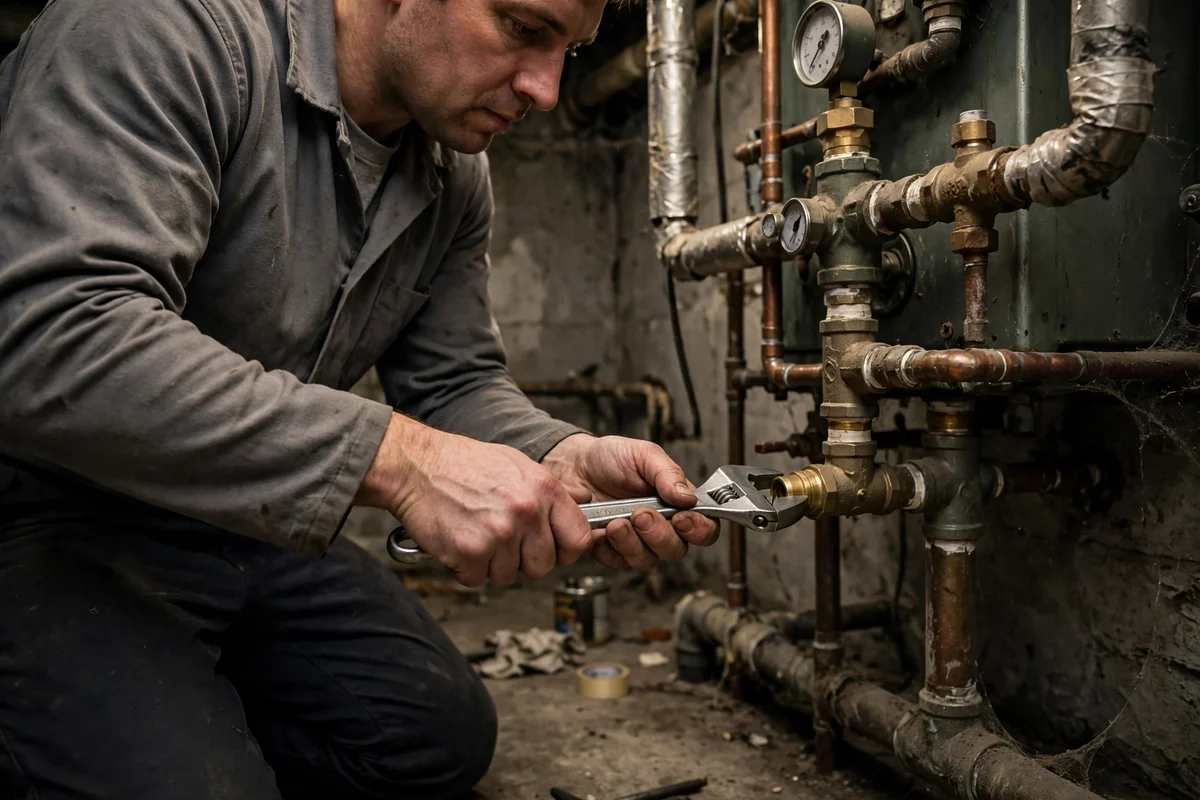
Brookside sits just east of Newark, with garden apartments, townhouses, and single-family homes packed into a compact community along Route 4. We repair and replace boilers across Brookside, with systems that suit apartments, townhouses, and family homes alike.
Brookside packs a lot of housing into a small area, and the neighborhoods reflect that mix. Castlebar and French Park hold townhouses and single-family homes on quiet streets, where a single boiler often serves one household and the loop is short. Waters Edge and St. Andrews lean toward apartments and townhouses with shared boilers.
The Villa and Victoria Woods hold single-family homes and townhouses on the residential side of Brookside, with basements that are easier to move around in and systems that mix baseboards with panel radiators. The Route 4 corridor carries the commercial edge, with shops and offices whose boilers serve public spaces, while the Marrows Road area and the Chestnut Hill Road area hold small commercial buildings and service businesses. The Salem Church Road area and the Ogletown border side hold residential streets that blend into Newark, and the Brookside Park area anchors the community with recreation space and nearby homes. Brookside carries ZIP code 19713, which also covers the eastern side of Newark, so a Brookside address tells us the area but not the building, and we always check on site.
We ask for your neighborhood and building type on every call because they narrow the search. A garden apartment with a shared boiler, a Castlebar townhouse with baseboards, and a Victoria Woods single-family home with radiators each need a different first check, and knowing which one waits for us shapes the visit.
Brookside winters bring damp cold off the low ground east of Newark, with freeze-thaw cycles that move water, air, and metal through a heating system. A boiler that copes in a mild week can fail during a hard cold snap, when a weak part finally gives out.
The weather drives the symptoms. After a cold snap, radiators gurgle as air gathers at the high points of the loop, and top-floor apartments notice it before anyone else. Pipes in unheated corners, above all in garden apartments where a lower level sits partly below grade, shed heat quickly and can freeze, leaving a loop that will not circulate or a joint that bursts at the thaw. Humid summers count too, since a boiler idle for months can seize, and a circulator pump that sat all summer may hum without turning when October calls it back. The ENERGY STAR page on boilers, energystar.gov/products/boilers, explains boiler types and efficiency in plain terms, which helps when you are weighing a replacement against another repair.
We time service to that cycle for shared buildings. A late-summer tune-up finds stuck pumps, tired vents, and weak ignition before the heating season, and a midwinter check looks for strain that only sustained cold reveals. Small habits help too: radiators kept clear of furniture, a boiler area kept clear of stored boxes, and a call when a radiator stays cold for more than a day, rather than waiting for the whole building to go cold.
No heat in a Brookside apartment? Call us and tell us the building type and the symptom.
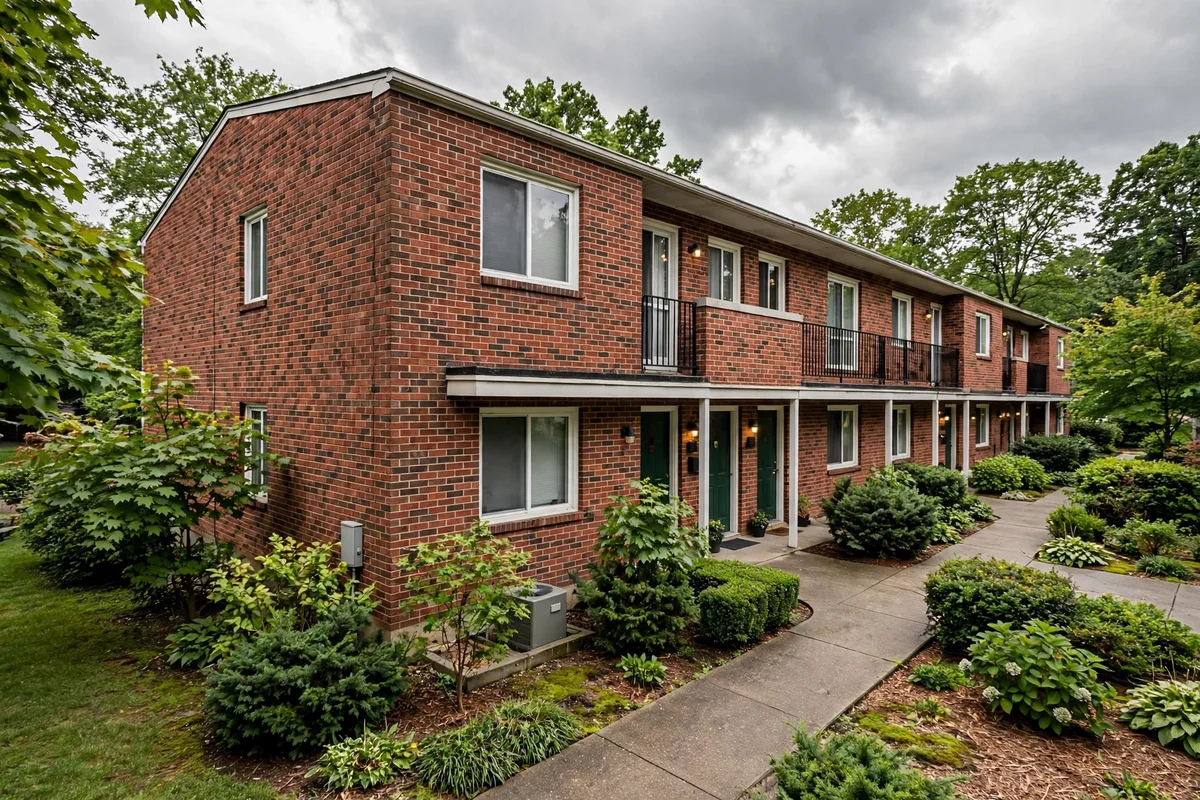
Brookside housing falls into three groups, and each heats differently. Garden apartments run shared boilers or compact units that serve several homes, townhouses run a single boiler with baseboards or radiators, and single-family homes run larger systems with more zones.
Garden apartments face a particular puzzle: a shared boiler serves homes with different habits, so one apartment roasts while another shivers, and the fix usually sits in balancing and valves, not in boiler size. A fault in a shared system also affects several households at once, so we check the whole building loop, not just the apartment that reported the problem. Townhouses bring a different pattern: shared walls keep heat in, but a single zone serving two floors leaves the top floor cold while the ground floor stays warm, and balancing the loop matters more than boiler size. Single-family homes in Brookside run the widest mix, from older baseboard systems to renovated panel radiators, and their boilers show the wear of additions and finished basements.
Materials shape the same story. Copper baseboards react quickly but turn every air bubble into a gurgle. Panel radiators spread heat more evenly yet need vents matched to their design. Older iron pipe in the earliest Brookside buildings sheds scale into the boiler, so flushing counts for more there than in a newer system. Knowing the building type shows us where to look first, and we still confirm on site before touching anything.
Brookside boiler service covers repairs, replacements when fixing stops making sense, and care for the radiators, baseboards, vents, and controls in apartments and houses. Hot water systems dominate here, along with steam in the oldest buildings and combi units in smaller homes. Garden apartments and townhouses each get checked on their own terms.
A repair call in Brookside often starts with a building, not just a boiler. A garden apartment complex with a shared boiler, a townhouse with a single zone, and a single-family home with several zones each need a different approach, and we check the whole loop before deciding. A boiler that locks out, a radiator that stays cold, a pressure gauge that climbs, or a top floor that heats while the ground floor does not each point to a different part of the system, and we test before replacing parts. When replacement is right, we size the new unit to the building as it stands, with its additions and insulation, rather than copying the old unit. Our services page lists the full range, from emergency repair and installation to maintenance, radiator work, and boiler controls.
Small commercial buildings along Route 4 receive the same care. A shop with a failing boiler loses trade on every cold morning, so we test each zone and set out the options in plain language, with no jargon.
Brookside landmarks make describing your home easy. Brookside Park anchors the community, and the Route 4 corridor, East Chestnut Hill Road, carries the shops and services that Brookside residents use every day. The community sits just east of Newark, with the University of Delaware campus a short drive west and the Christiana area to the east.
Those landmarks help us plan the day. A call from Castlebar and a call from Waters Edge are different routes, and the Route 4 corridor needs a different approach than the residential streets toward Ogletown. The Marrows Road area and the Chestnut Hill Road area mark the commercial side of Brookside, while the Salem Church Road area marks the residential side toward Newark. For travel, Philadelphia International Airport is the nearest large airport, and Wilmington Airport sits to the northeast. ChristianaCare Christiana Hospital, just east of Brookside in the Christiana area, is the closest large hospital.
When you call, give a neighborhood and a cross street if you can, since that saves time for everyone. Describe the symptom, the building type, and your heat emitters, and we will talk through the checks to make while we arrange the visit. For food nearby, Pat's Pizzeria on Marrows Road sits minutes from Brookside homes, on the Newark side of the neighborhood.
Brookside boilers work through November to March, rest while summer humidity fills the basements, and show faults at the autumn and spring changeovers. A seasonal rhythm catches those faults while they are still small, and the autumn check is the one that matters most.
Spring handles the aftermath: sediment flushed out, vents that hissed replaced, and fittings checked after months in damp air. Summer fits bigger work, because a replacement or a new zone goes in easily while the building stays warm and the boiler sits idle. Autumn brings the main check, when we fire the system from cold, bleed each radiator, test the controls, and watch one full heat cycle from startup to shutdown, so the first cold night brings no surprise. Winter is for watching: a drifting pressure gauge, a fresh noise from the pump, or a top floor cooling before the rest all deserve a call while the fault is still small.
In apartment buildings, the seasonal check carries extra weight, because a shared boiler conceals faults that a single-family system would reveal at once. A zone that never calls, a sticking valve, or a loop slowly filling with air can run for months unnoticed, and the autumn check exists to catch exactly those faults. That routine, service at the changeover plus attention through the season, is what keeps Brookside buildings warm through the coldest weeks.
Usually the fault sits in that apartment, not in the shared boiler. A stuck valve, air trapped in the apartment loop, or a radiator left unbalanced after a renovation can each leave one home cold while neighbors stay warm. We examine the apartment loop and the building loop together, because the cause can sit in either one.
Townhouses put radiators at different heights, so air collects at the highest ones and blocks hot water from filling them. The top floor also sits at the end of the longest pipe run, so it suffers first from a weak circulator or a valve that has stuck shut. Bleeding the top radiators and checking circulation for that floor usually restores even heat.
Yes, shared systems form a large share of our Brookside work. We look at the whole building loop, not only the apartment that reported the trouble, because a fault in a shared system can sit far from the cold apartment. We explain findings in plain terms, so residents and building managers alike understand what needs doing and why.
It rests on the boiler, the building, and the breakdown pattern. A boiler that needs one repair after years of steady service is usually worth fixing. A boiler that fails repeatedly, leaks, or cannot hold pressure through a cold week tells a different story. We look at the unit, the loops, and how the building has changed, then talk through the options.
A thermostat that calls for heat correctly still depends on the boiler, the pump, and the loop to deliver it. A weak circulator, air in the loop, a stuck zone valve, or a boiler that locks out will all leave a house cold while the thermostat reads normally. We test the boiler, the pump, and the loop in turn, since the thermostat is only the first link in the chain.
Yes, we cover the whole Brookside area, from Castlebar, French Park, and Waters Edge through St. Andrews, The Villa, and Victoria Woods to the Route 4 corridor, the Marrows Road area, and the Ogletown border side. The ZIP code 19713 covers the area, and the system in each part of Brookside gets treated on its own terms.
Tell us your neighborhood, your building type, and how the system is behaving differently. We will talk through the next step and arrange a visit.
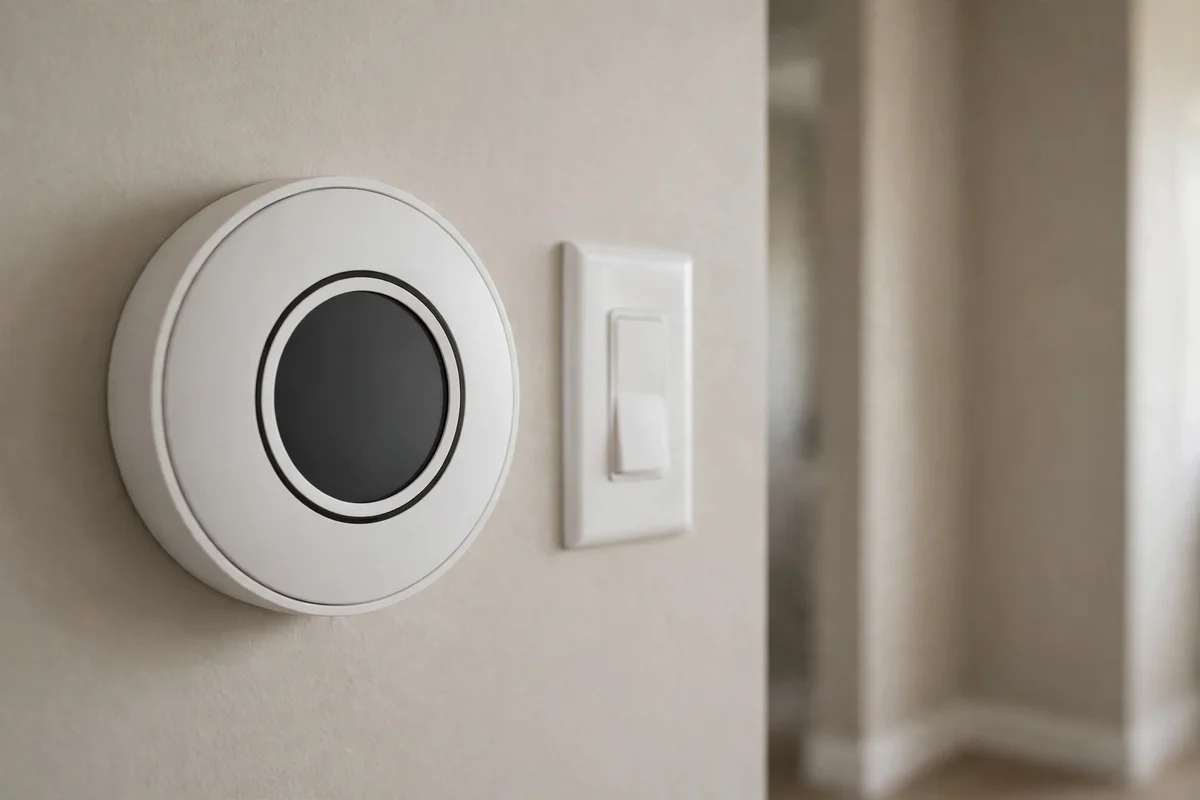
Controls and zoning for Brookside townhouses where one floor heats and another stays cold.
Learn more →Cold, noisy, or leaking radiators in Brookside apartments, townhouses, and family homes.
Learn more →A seasonal check for shared and single-family systems alike, before Brookside winter arrives.
Learn more →Last updated: October 26, 2026.