Hot Water Boiler Services
Care for hot water boiler systems, including pumps, pressure, and even heat across zones.
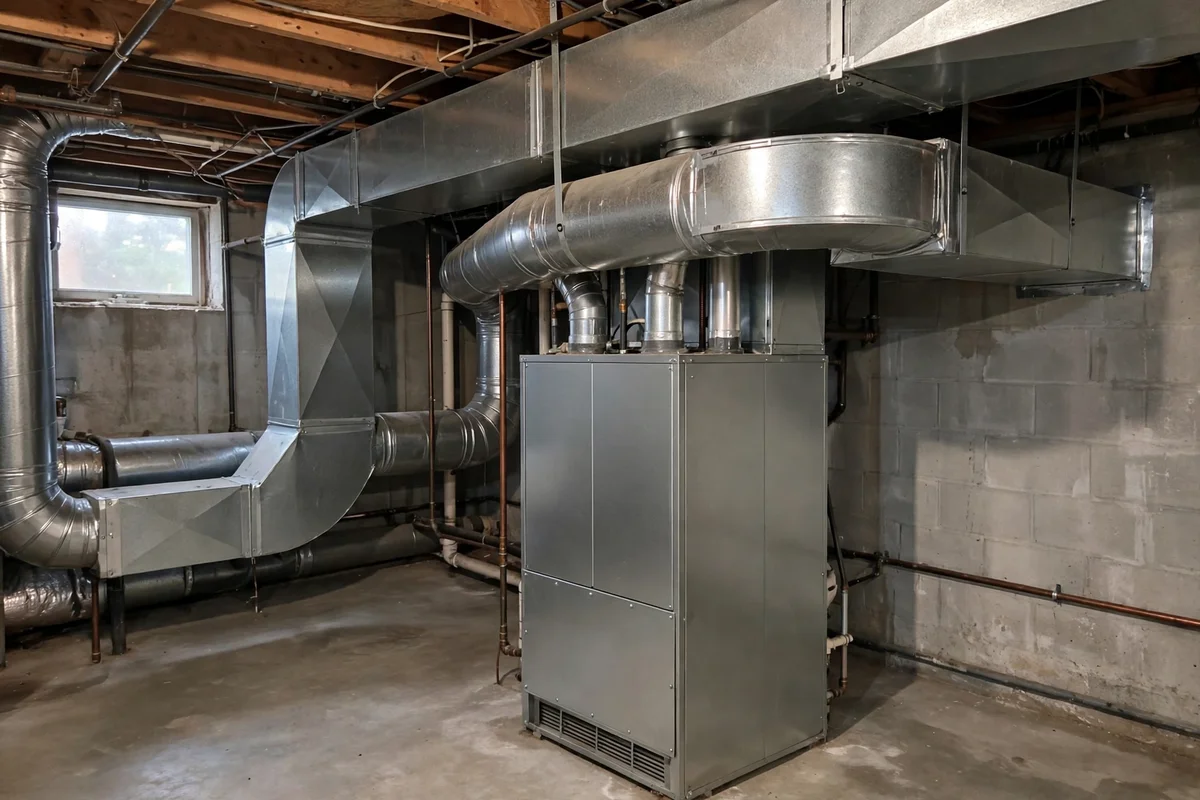
Boilers heat water, furnaces heat air, and that single difference shapes comfort, noise, and upkeep. Learn how each system works before you choose.
By Boiler Guard Delaware
Homeowners often use the words boiler and furnace as if they meant the same thing, but they describe two different machines. A boiler warms water and moves it to radiators or baseboards, while a furnace warms air and moves it through ducts to vents. If your home has radiators, it almost certainly has a boiler, and if it has vents in the floor or ceiling, it almost certainly has a furnace. This guide compares the two so you can understand your own system, and judge a change with clear eyes.
The confusion between boilers and furnaces is understandable, since both sit in the basement and both answer to a thermostat. The quick test is the delivery: radiators or baseboards mean water heat from a boiler, while vents blowing air mean a furnace. Once you know which you have, the rest of this guide falls into place, and so does any conversation with a technician. If you are still unsure after checking, a photo of the unit and the radiators or vents will settle it in seconds when you call.
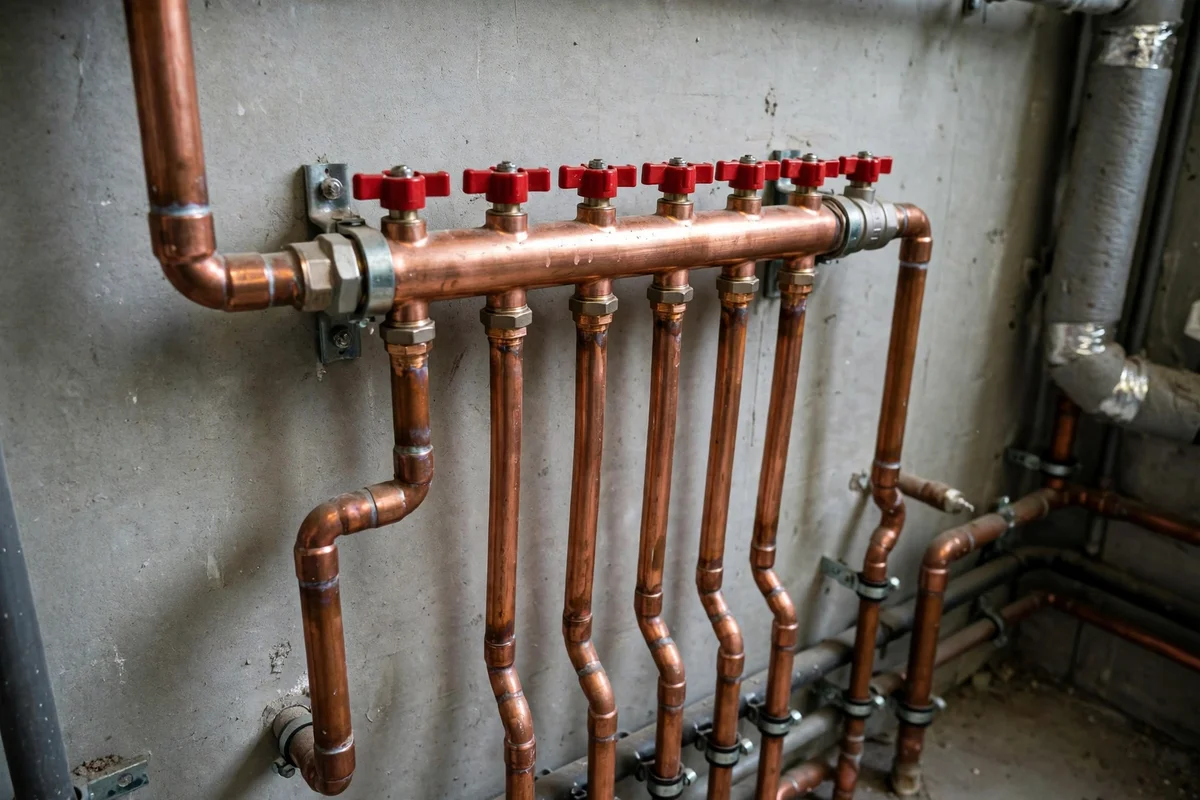
A boiler heats water, or makes steam, and sends it through pipes to radiators, baseboards, or underfloor loops. Those emitters give heat to the room as the water cools, then the water returns to the boiler to be heated again. A pump moves hot water systems, while steam moves under its own pressure.
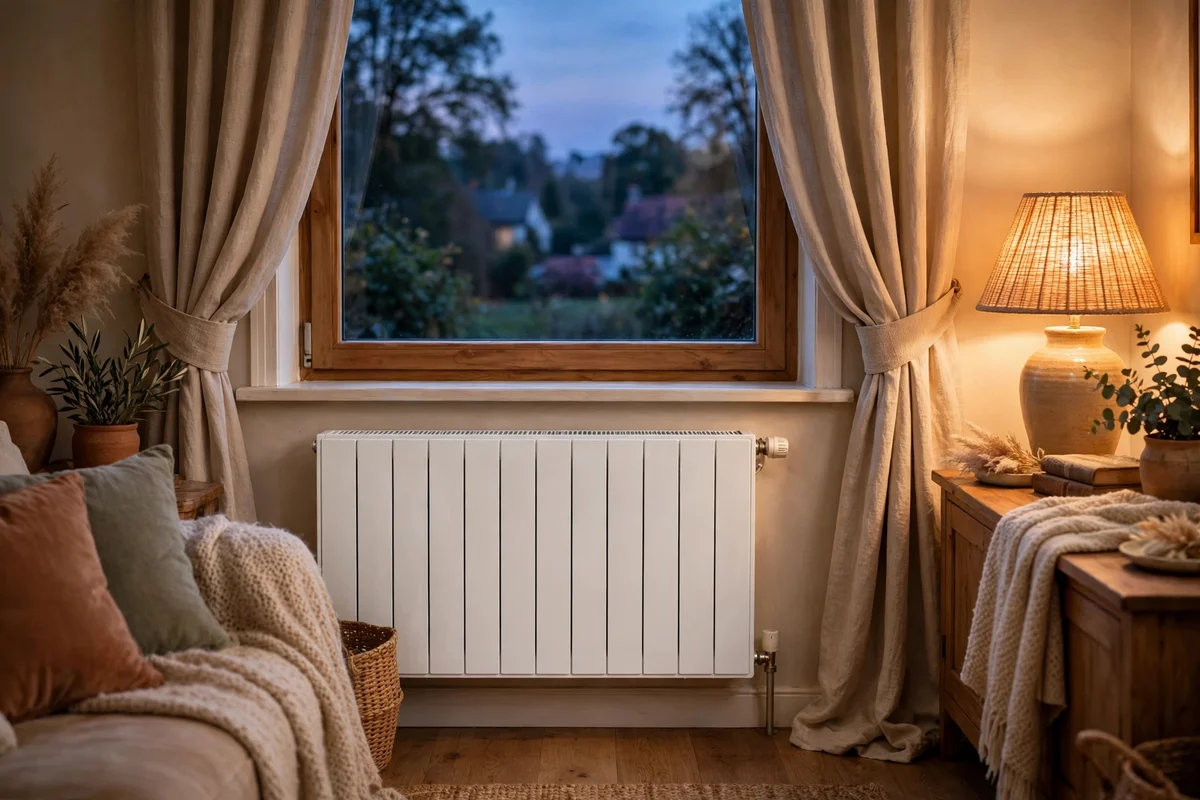
Boiler heat feels steady and even. Radiators stay warm for a while after the boiler stops, so rooms cool slowly rather than in sharp steps. The system is also quiet, since water in pipes makes little noise when air and sludge are kept out. Many owners of older Delaware homes value that calm, even warmth, especially in rooms with tall windows.
Boilers also pair well with radiators that suit older architecture. Cast iron radiators, panel radiators, and baseboards all work from the same hot water loop, and zones can give different rooms their own thermostats. That flexibility is one reason boiler heat remains common in Wilmington, Newark, and New Castle.
A furnace heats air inside a cabinet, and a blower pushes that air through ducts to vents in each room. The warm air mixes with room air, the thermostat senses the change, and the furnace cycles off until the room cools again. Because air heats and cools quickly, furnace heat responds fast when you turn the thermostat up.
Furnace systems share their ducts with cooling, which is a real advantage in Delaware summers. The same ductwork that carries warm air in winter can carry cool air in summer, so a home with ducts can add cooling without new distribution. That shared path is the main reason many newer homes use furnaces.
Furnace heat can feel draftier than boiler heat, since moving air is part of the design. Filters need changing, ducts need keeping clean, and a blower that runs often can be heard through the house. None of that makes a furnace a poor choice, but it does make the feel of the heat different from radiator warmth.
Not sure what your system needs?
Call (302) 555-0147The answer usually starts with what the home already has. A home with radiators and boiler pipework is built for a boiler, and switching to a furnace means adding ducts through walls and floors, which is disruptive and costly. A home with ducts is built for a furnace, and switching to a boiler means adding pipes and radiators instead.
Delaware climate plays a smaller role than the existing distribution. Both systems heat well through Delaware winters, and both can be sized to the home. The practical choice is usually to keep the distribution you have and invest in a good unit and good controls, rather than rebuilding the way heat reaches each room.
If you are building or renovating deeply, the choice opens up. A renovation that opens walls and floors can add either ducts or pipes, and at that point comfort preference, cooling plans, and room layout matter most. Talk through those plans with us before the walls close, since the distribution decision is much harder to change later.
Running costs depend more on fuel, insulation, and sizing than on boiler versus furnace alone. A well-sized, well-kept unit of either type, in a well-sealed home, will cost less to run than an oversized or neglected unit in a drafty home. Drafts, thin insulation, and old windows waste heat no matter which machine makes it.
Upkeep differs by system. Boilers need water, pressure, pumps, and valves checked, plus an annual safety check of the burner and flue. Furnaces need filters changed, burners and blowers checked, and ducts kept clean. Both need that annual visit, and both reward owners who keep it up with fewer breakdowns and steadier heat.
If you are unsure which system your home has, or you are weighing a change, call us and describe your radiators or vents. We will explain what you have, how it is doing, and what your options look like, without pushing you toward a change your home does not need. We work on boilers across Delaware, and we will be plain about where a boiler fits and where it does not. See also our Hot Water Boiler Services page for details on what that involves.
Look at how heat reaches your rooms. Radiators, baseboards, or underfloor loops mean a boiler heats water for your home. Vents in floors, walls, or ceilings with air blowing from them mean a furnace heats air. The unit in the basement confirms it: a boiler has pipes, while a furnace has large ducts.
No, a boiler only heats. Homes with boilers cool with separate equipment, such as window units or a ductless system, while homes with furnaces can share ducts with cooling. If summer cooling matters to you, that shared ductwork is the strongest argument for a furnace-based home.
Boiler heat does not blow air, so it does not stir dust through ducts in the same way, which some owners prefer. A clean furnace with fresh filters also gives good indoor air, though. Either system benefits from clean equipment and a home that is sealed against drafts and damp.
A boiler heats water and sends it to radiators or baseboards, while a furnace heats air and sends it through ducts to vents. That difference shapes everything else: comfort, noise, upkeep, and whether the home can share distribution with cooling. Radiators mean a boiler, and vents mean a furnace.
Boilers often last longer, especially cast iron models, since they have fewer moving parts than a furnace blower system. Furnaces still serve well for many years with steady care. Either way, lifespan depends more on upkeep, water or air quality, and sizing than on the type alone.
Yes, but it is a large job. Switching means adding pipes and radiators or baseboards throughout the home, plus a new boiler, which is disruptive and costly. It makes most sense during a major renovation. Most owners keep the distribution their home already has and invest in a good unit instead.
Yes, boilers use thermostats like any heating system, and modern controls can divide a home into zones with separate settings. A thermostat calls for heat, the boiler fires, and the pump sends hot water to the radiators in that zone. Smart controls can add scheduling, but the basic idea stays the same.
Boilers were the standard when many older homes were built, and radiators suited the architecture of the time. Those systems were built to last, and many still run today. Keeping a sound boiler system is usually simpler than replacing it, which is why older Delaware homes so often still heat with one.
Neither type is automatically cheaper. Fuel type, unit sizing, insulation, and thermostat habits matter more than boiler versus furnace. A well-sealed home with a well-sized, well-kept unit of either type will run at a sensible level, while a drafty home wastes heat no matter which machine makes it.
Describe your radiators or vents, and we will explain what heats your home and how it is doing.
Care for hot water boiler systems, including pumps, pressure, and even heat across zones.
An annual check that keeps a boiler running safely and steadily through winter.
If your home has a boiler, learn how steam and hot water systems differ.
Last updated: October 26, 2026.