Boiler Replacement
When keeping boiler heat is the right call, a modern boiler fitted to your home.
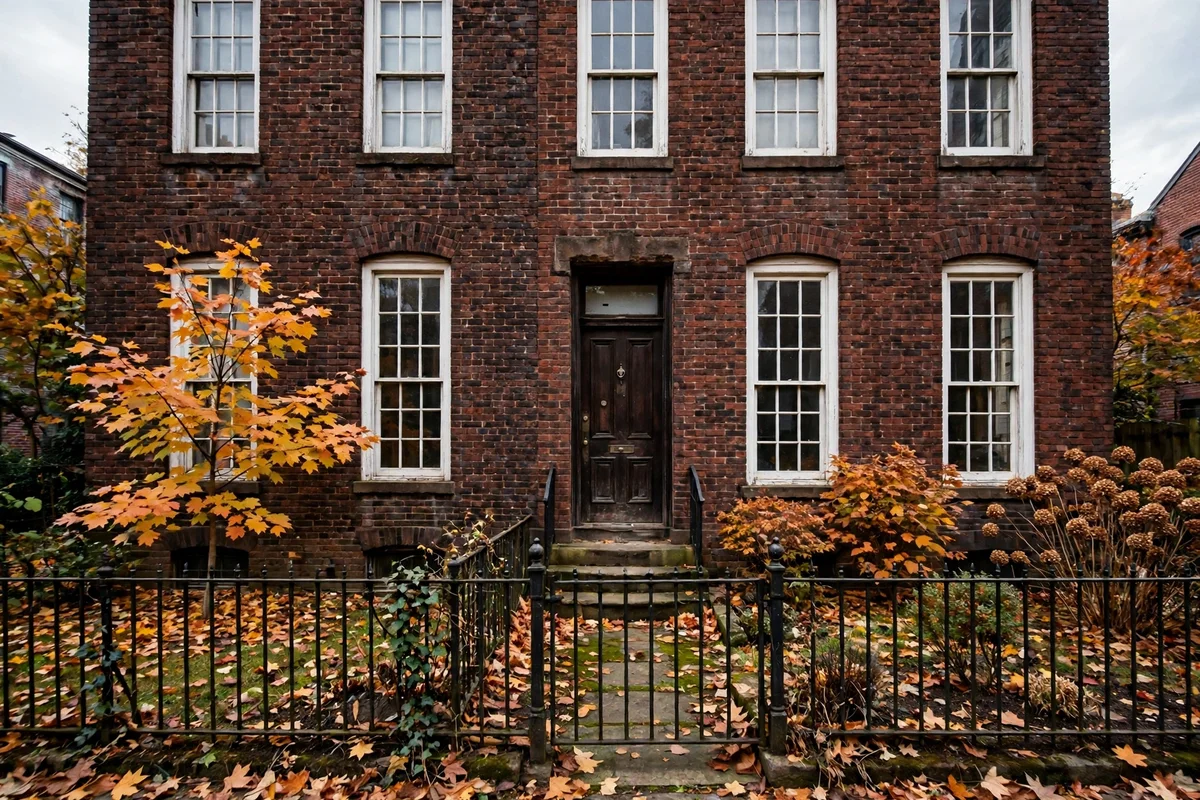
Older homes heat differently from newer ones, and that changes the boiler versus heat pump choice. Learn how each system copes with an older house.
By Boiler Guard Delaware
Older homes raise a fair question: should you keep the boiler, or switch to a heat pump? The answer depends on the house more than on the technology, since older homes often have drafty windows, thin insulation, and radiators sized for hot water. A heat pump works best with steady, low-temperature heat, while a boiler delivers hot water that suits older radiators. This guide compares the two for older homes specifically, so you can judge what fits your house, not a new build.
A practical first step, whichever direction you lean, is an honest survey of the house itself. Measure the radiators, note the window types, check the loft insulation, and feel for drafts on a windy day. That survey gives any technician a head start, and it often reveals improvements, such as sealing or insulation, that help whichever system you end up with. A house that holds heat well is easier and cheaper to heat by any method, so the survey is worth doing even before a system choice is made.
A heat pump moves heat from outside air into the home, rather than burning fuel to make heat. It runs at lower water temperatures than a boiler, which suits large radiators or underfloor heating, but challenges small radiators in older homes, since those radiators need hotter water to warm a room.
Heat pumps run steadily for long hours, holding a fairly even temperature rather than cycling hard. That steady style suits well-sealed homes, but it can struggle in a home that loses heat quickly through windows and walls, since the pump must keep up with that loss at low temperatures. Insulation and draft sealing therefore matter more for a heat pump than for a boiler.
Cold weather also reduces heat pump output, since there is less heat in cold outside air to move. Delaware winters are milder than winters farther north, which helps, but cold snaps still test a heat pump in an older home. A system sized with that in mind, and paired with good insulation, copes better than one sized for mild days alone.
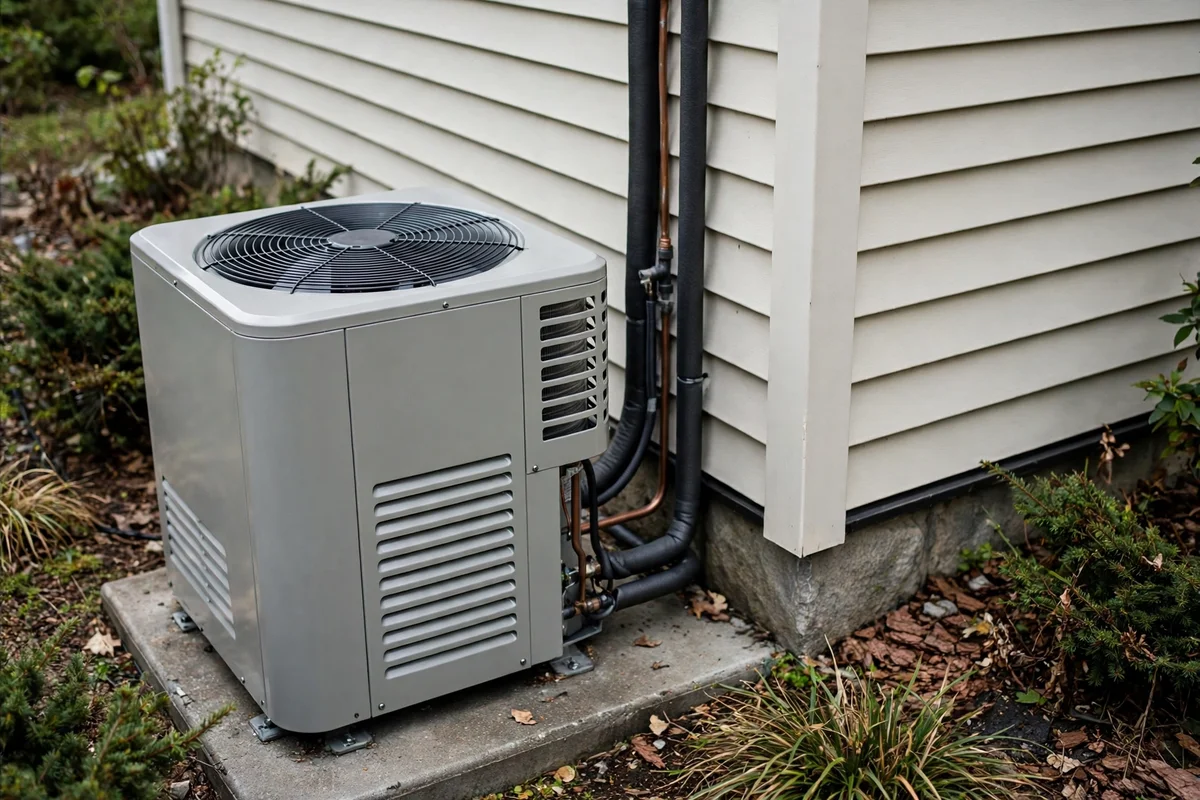
A boiler burns fuel to heat water to higher temperatures, and that hot water suits the radiators older homes already have. Tall cast iron radiators, panel radiators, and baseboards all give good heat from hot water, even in a drafty room, since the water arrives hot enough to warm the air quickly.
Boilers also cope well with uneven heat loss. A room with tall windows or a cold corner can get a larger radiator or a warmer flow, and the boiler simply supplies the heat asked of it. That flexibility matters in older homes, where rooms differ widely in size, windows, and insulation, and a single steady temperature does not fit every room.
Boiler upkeep in an older home is familiar territory: annual visits, radiator bleeding, pump and valve checks, and occasional part changes. Owners who already know their boiler system can keep it going with that rhythm, while a switch to a heat pump means learning a new system, new controls, and new upkeep at the same time as the house changes.
Not sure what your system needs?
Call (302) 555-0147Start with insulation and drafts. A heat pump in a drafty home will work hard and may still leave rooms cool, so sealing windows, adding loft insulation, and fixing drafts should come before, or alongside, any switch. A boiler tolerates a drafty home better.
Next, look at your radiators. Small or few radiators, sized for very hot water, will need enlarging for a heat pump to work well, since lower water temperatures need more radiator surface to give the same heat. Count that radiator work in the switch, since it can be a large part of the job in an older home with many rooms.
Also consider hot water. Many older homes heat tap water with the boiler or a separate tank, and a heat pump setup needs its own hot water arrangement. Talk through how your household uses hot water, since that detail shapes the system design and the space it needs in a utility room.
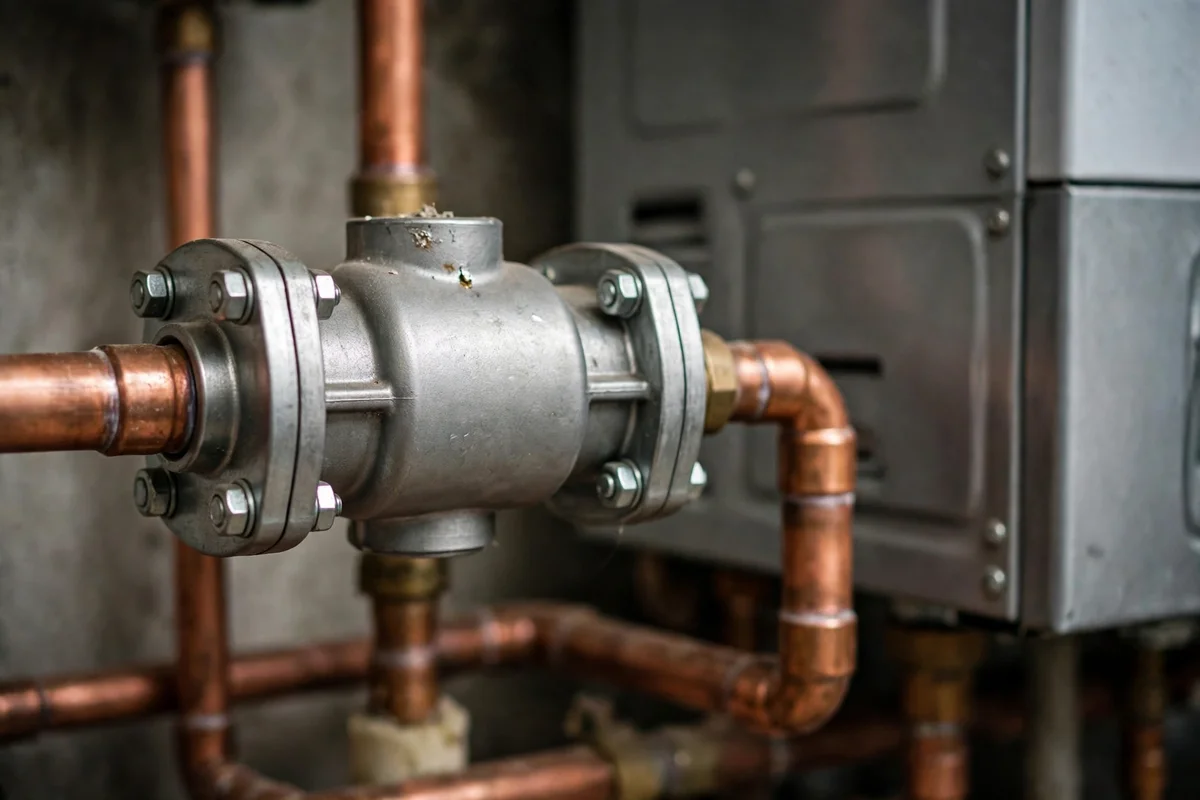
For many older Delaware homes, keeping a good boiler, or replacing an old one with a modern boiler, remains the practical choice, especially where radiators are small, insulation is patchy, and the house loses heat quickly. A boiler fits the home as it is, without demanding radiator enlargements and deep insulation work first.
A heat pump can still fit an older home, particularly after insulation and draft work, and where radiators are large or can be enlarged. It is a larger project, not a simple swap, and it should be judged as one, with the house improvements counted alongside the unit itself. A home that has already been sealed and insulated is a far better candidate than one that has not.
If you are weighing this choice, call us and tell us about your home: its age, radiators, insulation, and how it heats now. We work on boilers across Delaware, and we will be plain about where a boiler fits your home and where a heat pump project makes sense, including when the honest answer is to improve the house first. See also our Boiler Replacement page for details on what that involves.
It can, but the house matters more than its age. A well-sealed older home with large radiators can suit a heat pump, while a drafty home with small radiators will struggle. Insulation, draft sealing, and radiator size decide the answer, so a survey of the house, not just its age, is the right first step.
Often, yes. Heat pumps run at lower water temperatures than boilers, so radiators need more surface area to give the same heat to a room. Small radiators sized for very hot boiler water may need enlarging, and that work should be counted in any switch, since it can be a large part of the job.
It depends on the home, the fuel it replaces, and how well the house holds heat. A drafty home forces a heat pump to work hard, which limits savings, while a sealed home lets it run steadily and efficiently. Compare your own bills and insulation first, rather than trusting a general claim.
A boiler burns fuel to heat water, while a heat pump moves heat from outside air into the home. Boilers run at higher water temperatures that suit older radiators, while heat pumps run cooler and steadier, suiting large radiators and well-sealed homes. The two systems heat in fundamentally different ways.
A heat pump moves heat rather than burning fuel, so it can produce fewer direct emissions at the home, especially when powered by cleaner electricity. The full picture depends on the electricity source and the home's insulation, since a pump working hard in a drafty house uses more power.
Sometimes, if they are large enough for lower water temperatures, but small radiators often need enlarging. A survey measures each radiator against the room it heats, and it shows which ones can stay and which need upsizing. That survey is essential before any switch.
Yes, heat pumps work in cold weather, but their output falls as outside air gets colder, since there is less heat to move. Delaware winters are milder than winters farther north, which helps, but a system sized for mild days alone can struggle in a cold snap.
Yes, insulation and draft sealing should come first or alongside a switch. A sealed home lets a heat pump run steadily and efficiently, while a drafty home forces it to work hard and may still leave rooms cool. The house improvements are part of the project, not an optional extra.
Yes, some homes use both, with a heat pump handling mild weather and a boiler covering deep cold or peak demand. That hybrid setup suits older homes that want heat pump benefits without giving up boiler heat in a cold snap. It needs careful controls so the two systems work together rather than against each other.
Tell us about your home, its radiators, and its insulation. We will talk through what fits, honestly.
When keeping boiler heat is the right call, a modern boiler fitted to your home.
Care for the boiler system your older home already runs on.
The other common comparison: water heat against air heat.
Last updated: October 26, 2026.