Boiler Installation
A new boiler fitted with a proper condensate drain route, short and well sloped.
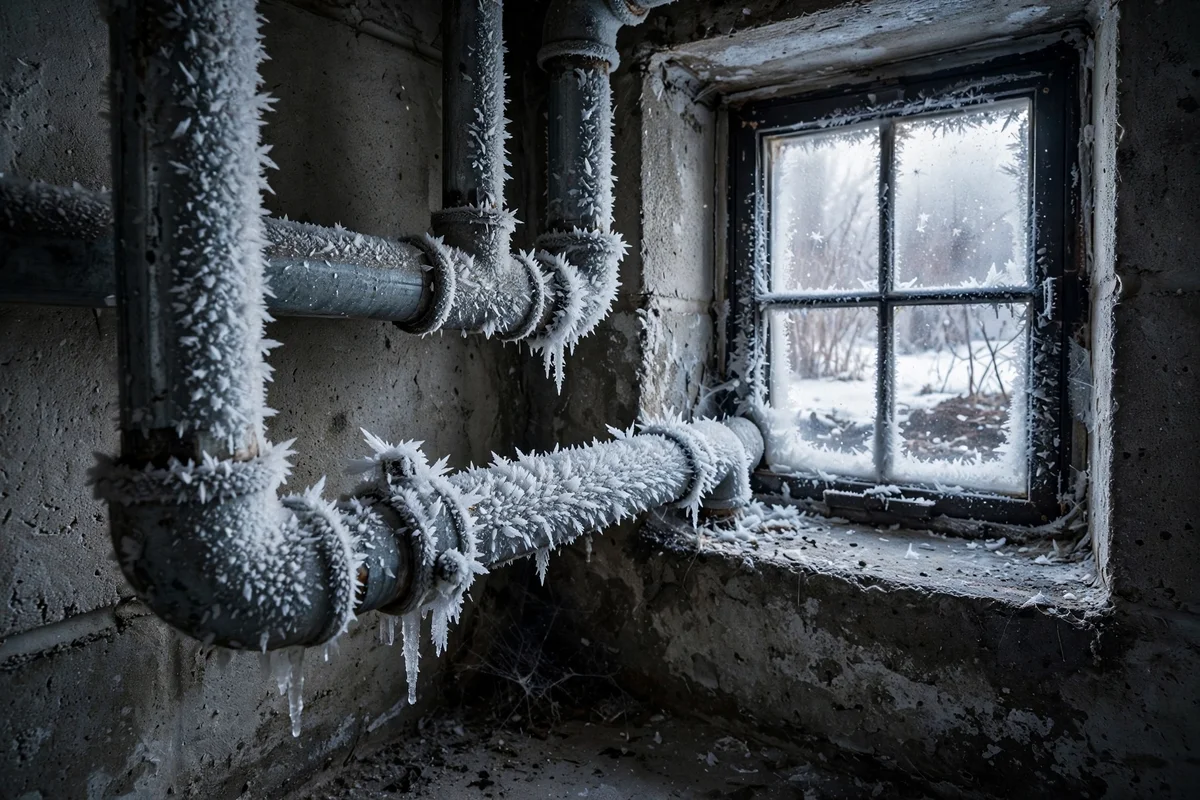
One cold snap failure stops many modern boilers: a frozen condensate pipe. Learn how to spot it, and what to do safely.
By Boiler Guard Delaware
When a modern condensing boiler stops during a cold snap, the cause is often a single frozen pipe, not a failed boiler. The condensate pipe carries liquid from the boiler to a drain outside, and its outside section can freeze solid in sustained cold, blocking the drain and shutting the boiler down. That failure is frustrating, but it is also easy to spot and often easy to deal with safely. This guide covers spotting it, safe steps, and prevention, for this one specific failure only.
A final tip for cold snaps: when freezing weather is forecast, check the condensate outlet in daylight before the cold arrives, rather than in darkness after the boiler has already stopped. Clear leaves and ice from the outlet, confirm the pipe slopes downward, and keep a jug of warm water and a cloth ready indoors. That small preparation turns a potential shutdown into a two-minute task, and it keeps the house warm through the coldest nights of a Delaware winter.
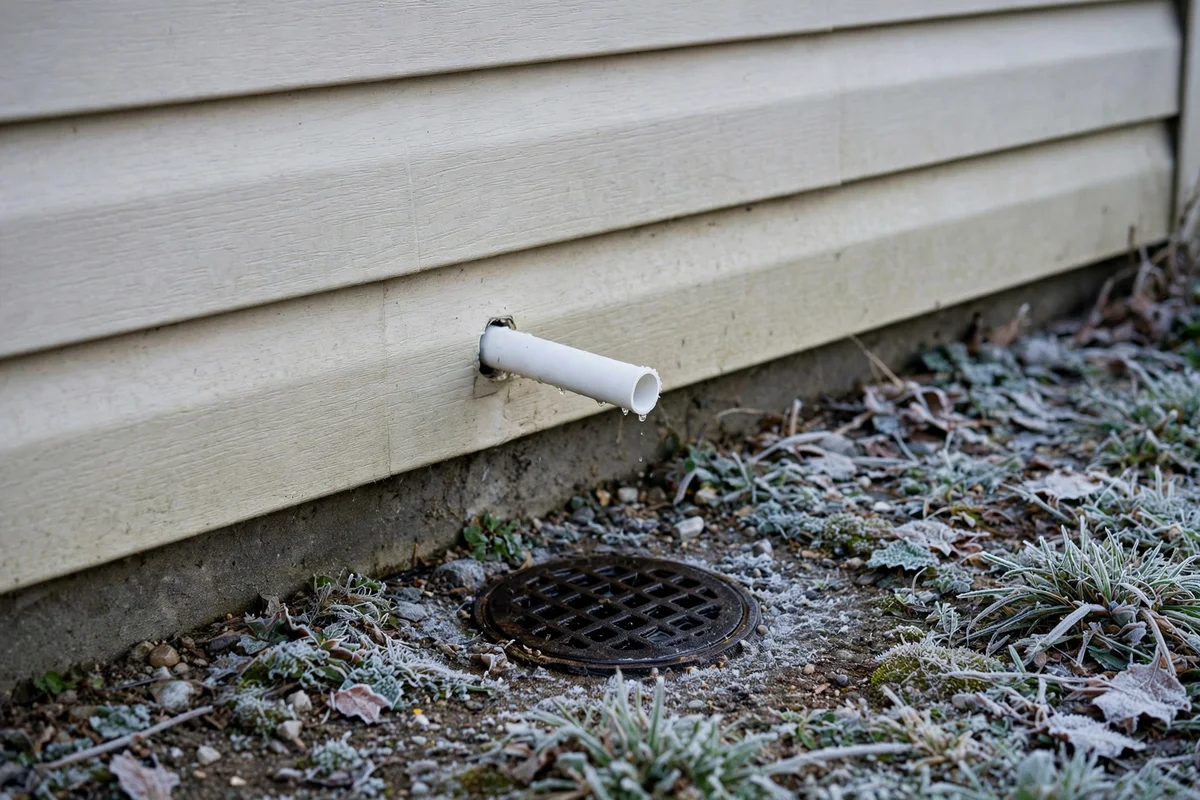
The pattern is distinctive: the boiler stops during a cold snap, shows a fault or lockout, and the outside condensate pipe, a white plastic pipe running down an outside wall, shows ice at its outlet or along its length. The boiler itself is usually sound, and the fault appears only when outside temperatures stay below freezing for a sustained stretch.
Inspect the pipe from the ground, without climbing or reaching into icy areas. Look for ice at the outlet, a bulge of ice along the pipe, or liquid pooling where the pipe should drain. Note the boiler display as well, since the fault code helps us confirm the cause when you call. Do not disconnect the pipe to check inside it.
Other winter failures look different, which helps narrow it down. A frozen condensate pipe stops the boiler while the house is otherwise normal, with power on and pressure steady. A boiler that lost pressure, shows water nearby, or smells of gas points elsewhere, and those signs need different responses, so the ice check is worth doing first.
Warm the frozen section gently with warm, not boiling, water poured over the outside of the pipe, or with a warm cloth held against it. Work from the outlet upward, so melted water can drain as the ice clears, and repeat with fresh warm water until the pipe runs clear. That gentle approach thaws ice without cracking the plastic.
Once the pipe runs clear, try one reset of the boiler and watch whether it fires and stays running. If it fires and holds, the thaw worked, and the boiler should return to normal. Keep an eye on the pipe through the rest of the cold snap, since it can freeze again on the next freezing night.
Do not use boiling water, a naked flame, or a heat gun on the pipe, since those can crack plastic or damage joints. Do not disconnect the pipe and let condensate drain onto paths or soil, since condensate is mildly acidic and must drain properly. Do not keep resetting a boiler that locks out again, since a second lockout means the blockage remains or another fault is present.
Not sure what your system needs?
Call (302) 555-0147Call us if the pipe will not thaw, if the boiler locks out again after thawing, or if you cannot safely reach the pipe from the ground. Those signs mean the blockage is deeper, the pipe is damaged, or another fault is present, and a visit can find it without risking a fall on ice or damage to the pipe.
Call sooner if the boiler shows water nearby, a smell of gas or exhaust, or a carbon monoxide alarm, since those signs point to different faults that need urgent attention. A frozen condensate pipe does not cause those symptoms, so their presence changes the response entirely, and the boiler should stay off until it is checked.
When you call, tell us the boiler display, whether the pipe shows ice, and what you have already tried. Those details let us judge whether a visit is needed or whether a further safe step will do. We serve homes across Delaware, and a short conversation often settles a frozen pipe question without a visit.
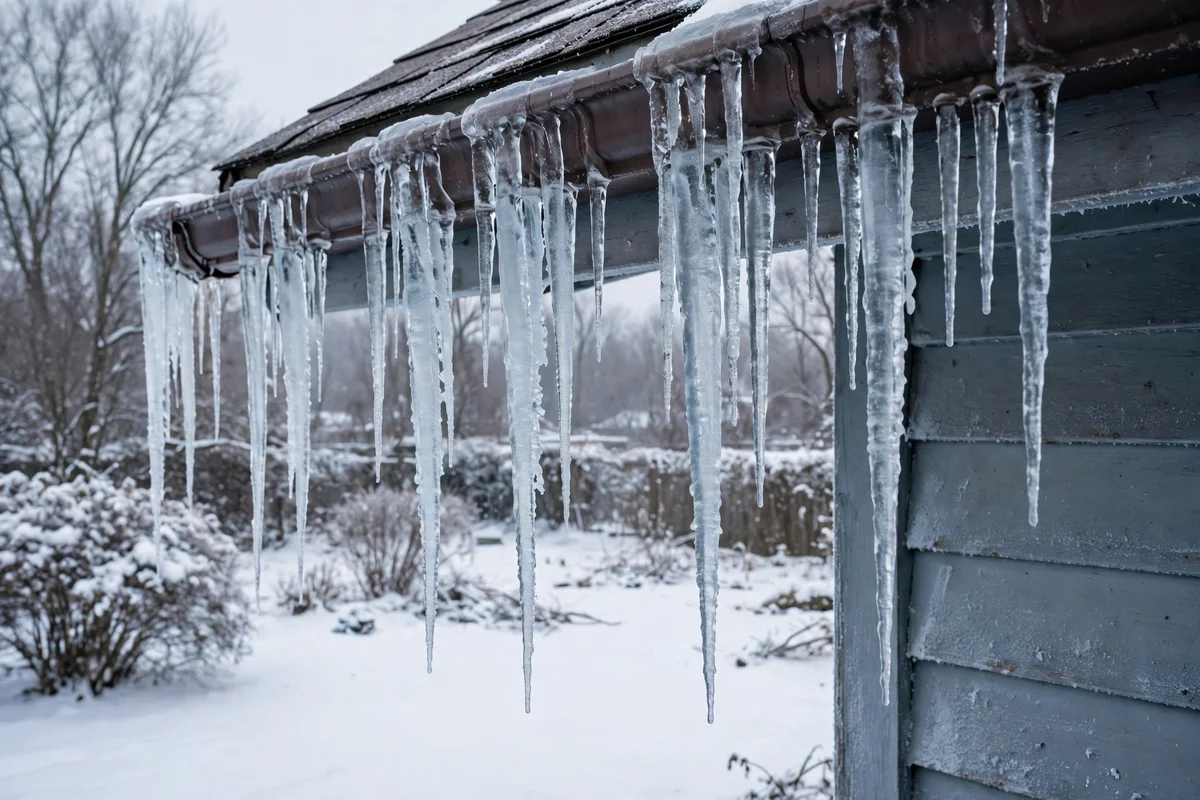
The best prevention is a short, well-sloped, insulated outside run. A condensate pipe that runs briefly outside, slopes downward along its length, and wears insulation is far less likely to freeze than a long, flat, bare run. If your pipe runs a long way outside, ask us about rerouting it to a closer drain or an internal drain where possible.
Insulation alone helps, but routing matters more. A pipe that ends in a soakaway away from the house, or that drains across a path, will freeze more readily than one ending at a nearby drain. During a visit we can look at the route and suggest the simplest change that reduces the risk, rather than the most expensive one.
In a forecast cold snap, check the pipe outlet before the cold arrives, and keep an eye on it through the snap. Early action, a gentle thaw at the first sign of ice, keeps a small freeze from becoming a boiler shutdown. If your pipe has frozen before, tell us, since a repeat freeze is a routing problem worth fixing, not bad luck to endure each winter. See also our Boiler Installation page for details on what that involves.
A condensing boiler must drain the liquid it produces, and a frozen pipe blocks that drain. Safety controls detect the blockage and shut the boiler down rather than letting condensate back up into the unit. Thawing the pipe clears the blockage, and one reset usually restarts the boiler.
Yes, warm water, not boiling, poured over the outside of the pipe is the safe method. Work from the outlet upward so melted water drains as ice clears. Boiling water, naked flames, and heat guns can crack plastic or damage joints, so avoid them even when you are in a hurry.
Often, yes, the pipe thaws as temperatures rise and the boiler can restart, but waiting leaves the house cold in the meantime. A gentle thaw with warm water restores heat sooner, and a repeat freeze points to a routing problem worth fixing rather than enduring each winter.
Look for a boiler that stopped during a cold snap, with ice at the outlet or along the white plastic pipe on an outside wall. Power stays on and pressure stays steady, which sets this failure apart from other winter faults. Check the pipe from the ground, without climbing or reaching into icy areas.
Warm the frozen section gently with warm water or a warm cloth, working from the outlet upward so melted water drains. Once the pipe runs clear, try one reset and watch whether the boiler fires and stays running. If it locks out again, stop and call us, since the blockage remains or another fault is present.
No, do not disconnect the pipe and let condensate drain onto paths or soil. Condensate is mildly acidic and must drain to a proper place, and an open pipe can damage surfaces and create a hazard. Thaw the pipe in place, and ask us about rerouting if it freezes repeatedly.
Keep the outside run short, well sloped, and insulated, and route it to a nearby drain where possible. A long, flat, bare run freezes far more readily. If your pipe has frozen before, ask us to look at the route, since a repeat freeze is a routing problem worth fixing.
It is urgent for comfort, since the house cools without heat, but it is not a safety emergency like a gas leak or a carbon monoxide alarm. A gentle thaw often restores heat, and a call settles whether a visit is needed. If you also notice water, a gas smell, or an alarm, treat those as the emergency instead.
No, only condensing boilers produce condensate, so only they have a condensate pipe. Older non-condensing boilers do not, and their winter failures come from other causes. If your boiler has a white plastic pipe running to a drain outside, it is a condensing model.
Tell us what the boiler display shows and whether the pipe shows ice. We will help you judge the next safe step.
A new boiler fitted with a proper condensate drain route, short and well sloped.
Most combi boilers are condensing models, with a condensate pipe to protect.
The wider autumn checklist, of which condensate pipes are only one item.
Last updated: October 26, 2026.