Boiler Maintenance and Tune-Up
The annual visit that covers burner, controls, pump, valves, and flue before winter.
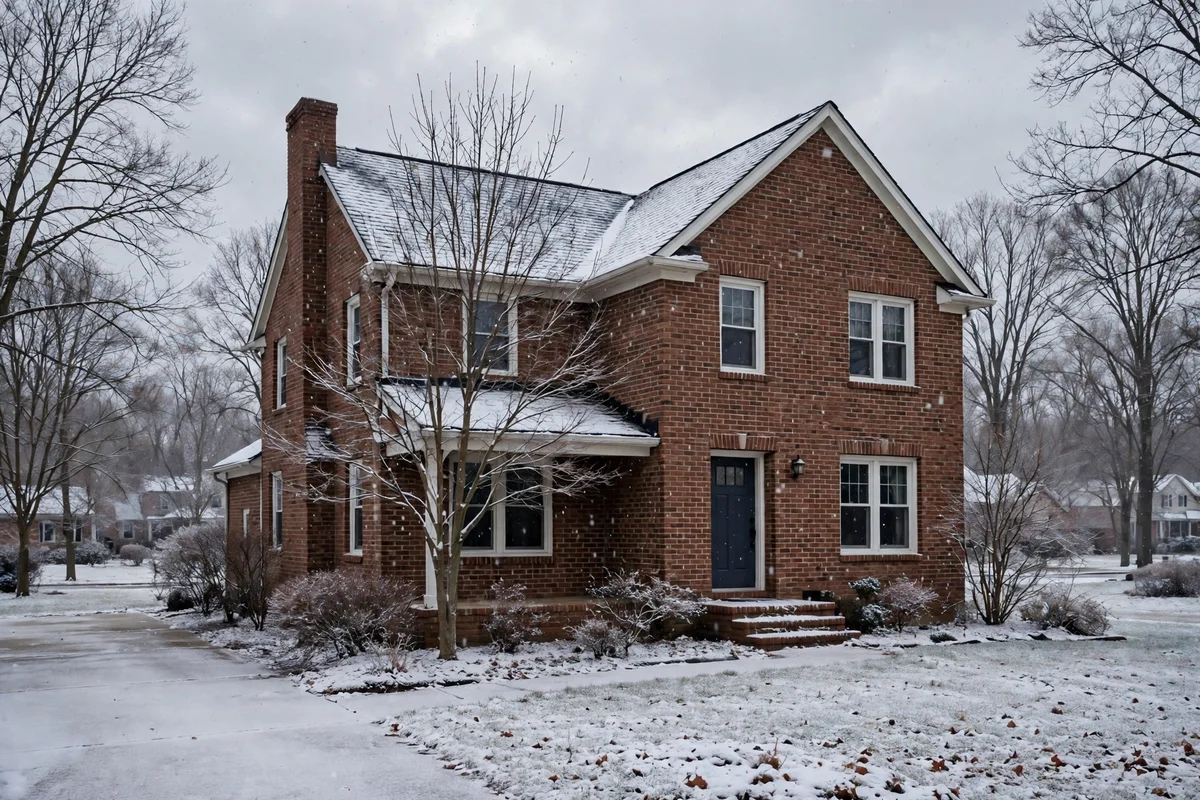
Cold weather is the worst time for a boiler surprise. Run through this checklist before winter, and your system will face the cold season ready.
By Boiler Guard Delaware
Delaware winters arrive with damp cold and sudden snaps, and a boiler that has sat idle since spring can show its faults on the first cold night. A short checklist before the season starts catches most of those faults while they are still easy to fix. This guide walks through the checks in order, from the thermostat to the flue, so you can face winter knowing your system is ready. It is a general checklist, not a repair guide for one failure, and it pairs well with an annual visit from us.
Running through this checklist takes less than an hour, and it is best done on a mild autumn weekend rather than the evening before a cold snap. Walk the house room by room, feel each radiator, test the alarms, and look at the boiler area with fresh eyes. Anything you find goes on a short list for a call, and anything you cannot judge goes on the same list. That list is the real product of the checklist, since it turns vague worry into specific questions a technician can answer quickly.
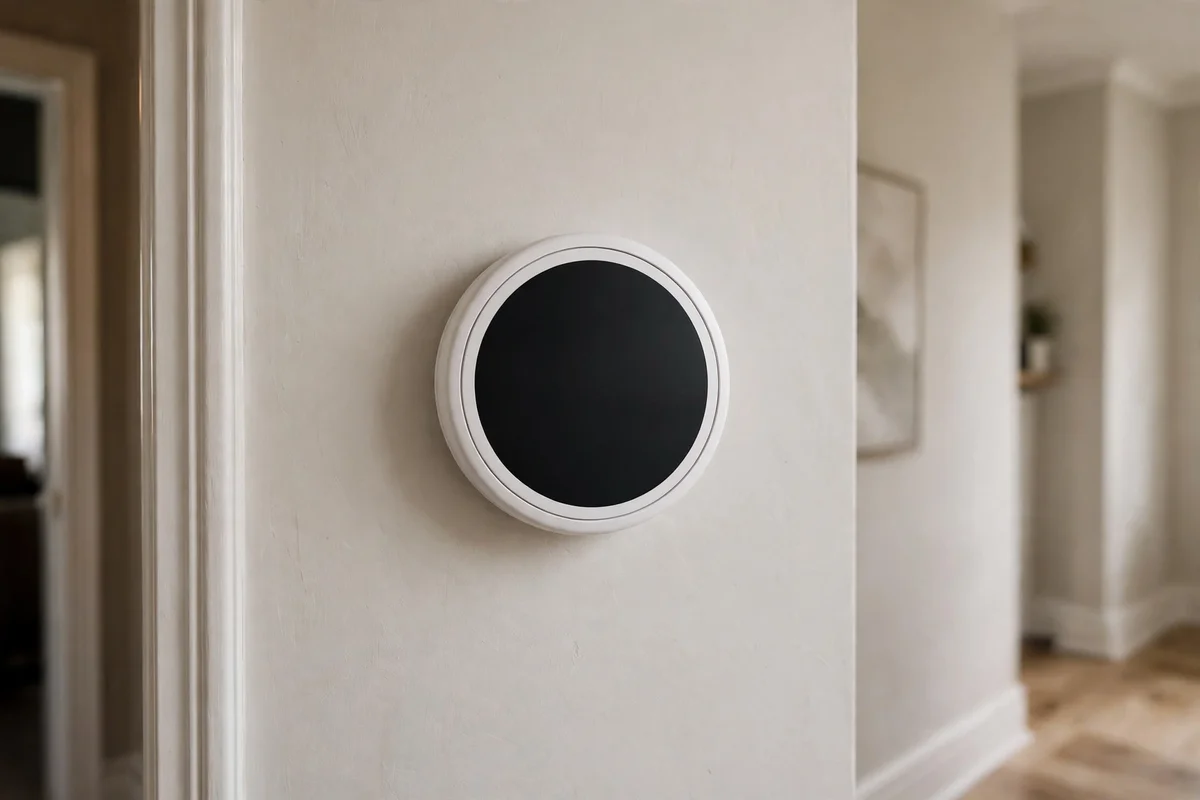
Start with the thermostat. Turn the heat up a few degrees and listen for the boiler to fire, then check that radiators warm up across the house. A thermostat that reads wrong, or a boiler that does not respond, is easy to sort in autumn and miserable to discover on a cold night.
Next, walk the radiators. Feel each one for cold tops or cold rooms, and bleed any radiator holding trapped air. If the same radiator keeps going cold, note it for a visit, since sludge or a valve fault may be behind it. Check that furniture and curtains are not blocking radiators, since covered radiators waste heat.
Look at the boiler area itself. The space around the boiler should be clear, dry, and clear of stored boxes, paint cans, and laundry. Check for water, rust stains, or damp patches, and note the pressure gauge reading. Anything new or wet deserves a call before the season starts.
Test your carbon monoxide alarm before winter, and check its date. Alarms age out, and an alarm past its life will not protect you even if it still beeps on a test button. Put alarms near sleeping areas and near the boiler room, following the maker's guidance, and replace any unit that is out of date.
Look at the flue and vent path from outside if you can do so safely from the ground. The terminal should be clear of leaves, nests, and snow, and the pipe should show no cracks or loose joints. Never climb onto a roof to check a flue, and never block a vent to stop a draft, since a blocked flue can spill exhaust indoors.
Check that the boiler's safety controls work. A yearly visit from us tests those controls properly, but you can watch for warning signs yourself: frequent lockouts, a pilot or burner that will not stay lit, or a smell of exhaust near the unit. Any of those means the boiler should be checked before heavy winter use.
Not sure what your system needs?
Call (302) 555-0147Keep the thermostat steady rather than swinging it hard up and down. A steady setting lets the boiler run at an even pace, and it keeps rooms at a livable temperature through cold snaps. If you go away, set the heat low but steady instead of switching it off.
Bleed radiators when they develop cold tops, and top the system pressure up if bleeding drops it. Learn where your filling loop is before winter, and note the normal pressure range from your boiler guide or from our last visit note. Small, prompt attention to air and pressure keeps circulation even all season.
Listen to the system as winter goes on. New banging, gurgling, or whistling, a radiator that suddenly goes cold, or a pressure gauge that keeps falling all mean something changed. Early calls in winter are simpler than emergency calls, and they keep a small fault from becoming a cold house.
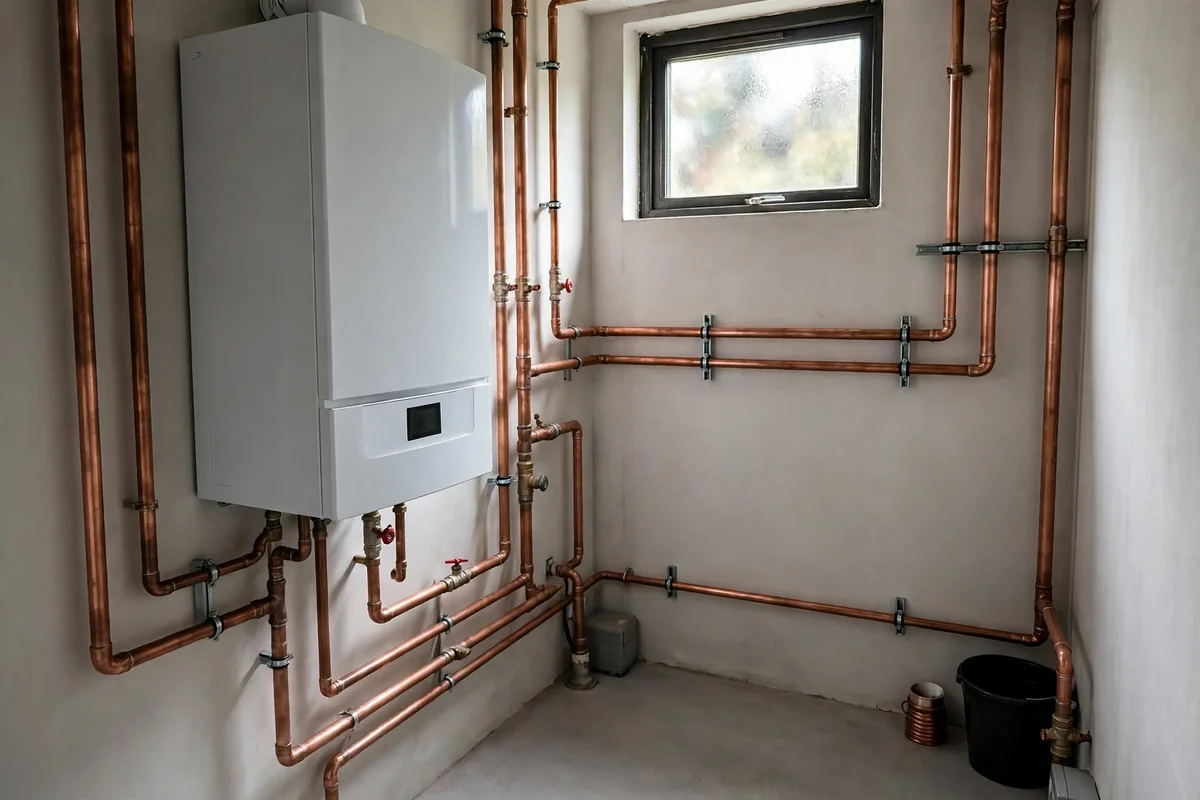
Book an annual visit before the heating season, ideally in early autumn, when any fault found still leaves time for repair. A visit covers the burner, heat exchanger, controls, pump, valves, and flue, and it catches wear that a walk-around cannot see. Homes with older boilers or oil-fired units benefit most from that steady rhythm.
Book sooner if anything on this checklist looks wrong: water near the boiler, a faulty alarm, a blocked flue, repeated lockouts, or rooms that stay cold despite bleeding. Those signs mean the system needs a look before winter load arrives, not after it.
If you run through this checklist and find anything you are unsure about, call us and talk it through. We serve homes and businesses across Delaware, and we would rather answer a question in autumn than repair a breakdown in a cold snap. A short call now can save a cold house later. See also our Boiler Maintenance and Tune-Up page for details on what that involves.
Early autumn is ideal, before the heating season starts. A visit then leaves time to fix any fault found, and it means the system faces winter freshly checked. If autumn has passed, a visit at any point in winter is still better than waiting, since faults only grow under load.
Yes, set it low but steady rather than switching it off. A cold house risks burst pipes and a boiler that seizes after sitting idle, while a low steady setting keeps pipes warm and the system moving. A frost setting on the thermostat does this job if your control has one.
Only radiators that develop cold tops need bleeding, not every radiator on a schedule. Bleed the ones holding air, then check system pressure, since bleeding drops it. If the same radiator keeps going cold, sludge or a valve fault may be behind it, and that deserves a visit.
A winter checklist covers the thermostat, radiators, boiler area, carbon monoxide alarm, flue, and safety controls. Walk through each item before the heating season, bleed radiators holding air, and note anything wet, rusty, or unusual. An annual visit from us covers the internal checks a walk-around cannot reach.
Run the heating before cold weather arrives, check that every radiator warms up, bleed any holding air, and test your carbon monoxide alarm. Clear the area around the boiler, check the flue terminal from the ground, and book an annual visit if one is due. Finding faults in autumn leaves time to fix them.
Yes, keep the area around the boiler clear, dry, and clear of stored items. A clear space lets air reach the boiler, lets you spot leaks and rust early, and lets a technician work safely. Never store paint, solvents, or laundry against the boiler, since heat and chemicals do not mix well.
Set a steady, comfortable temperature and avoid large swings up and down. A steady setting keeps the boiler running evenly and rooms at a livable warmth through cold snaps. When you go away, set the heat low but steady rather than off, so pipes stay warm.
Cold snaps keep a boiler running hard for days, and any weak part, a tired pump, a sticking valve, or low pressure, shows up under that load. A system that coped in mild weather can fail in sustained cold. An autumn check finds those weak parts before the cold arrives.
Yes, an annual visit is the standard for most boilers. It tests the burner, heat exchanger, safety controls, pump, valves, and flue, and it catches wear a walk-around cannot see. Pair that visit with this checklist, and your system faces winter as ready as it can be.
Run through the checklist, and call us about anything that looks wrong. We will check the system over before the cold sets in.
The annual visit that covers burner, controls, pump, valves, and flue before winter.
Thermostats and zone controls that keep rooms steady through cold snaps.
One specific winter failure: how a frozen condensate pipe stops a boiler, and how to spot it.
Last updated: October 26, 2026.