Boiler Maintenance and Tune-Up
The annual visit, covering burner, flue, controls, pump, valves, and radiators.
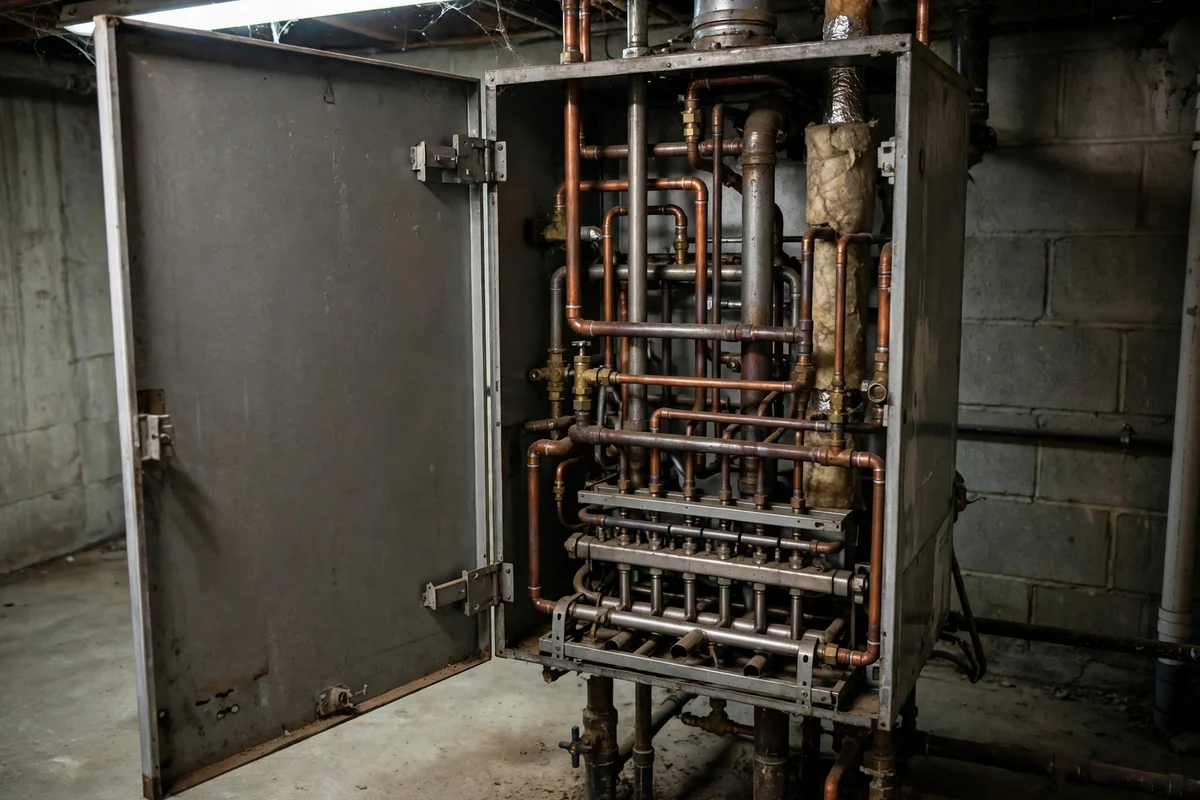
Most boilers need a visit once a year, but age, fuel, and use shift that rhythm. Learn what the standard is, and when your system needs more.
By Boiler Guard Delaware
Owners often ask how often a boiler needs servicing, and the short answer is once a year for most homes. That rhythm matches how boilers wear: parts age across a heating season, soot and sludge build up, and safety controls need testing before they are asked to protect you again. Age, fuel, and use can shift the rhythm, and this guide explains when once a year is right, when a system needs more, and what a visit actually covers.
A useful way to think about servicing is as a health record for your boiler, not a single event. Each visit adds a dated note: burner condition, pressure behavior, parts changed, and advice for the year ahead. Over several years, those notes reveal slow trends that no single visit could show, such as pressure creeping down or corrosion spreading. Keep the notes together with the boiler guide, and bring them to any new technician, since that history shortens every future diagnosis and keeps recommendations honest.
A year of heating puts a full season of cycles on pumps, valves, burners, and controls. An annual visit catches that wear before it becomes a fault, and it tests safety controls, such as the pressure relief valve and low-water cutoff, that only matter when something goes wrong. Testing them yearly keeps them ready for the day they are needed.
Annual visits also keep efficiency steady. A burner that drifts out of tune, a heat exchanger coated in soot, or radiators full of sludge all make the boiler work harder for the same heat. Cleaning and tuning restore normal operation, so the system heats the house without wasted effort or fuel.
The visit also creates a record. A technician who sees the same boiler each year notices slow changes, such as creeping pressure loss or growing corrosion, that a one-off visit would miss. That history helps judge when a part is wearing out and when a system is nearing replacement, rather than guessing from a single look.
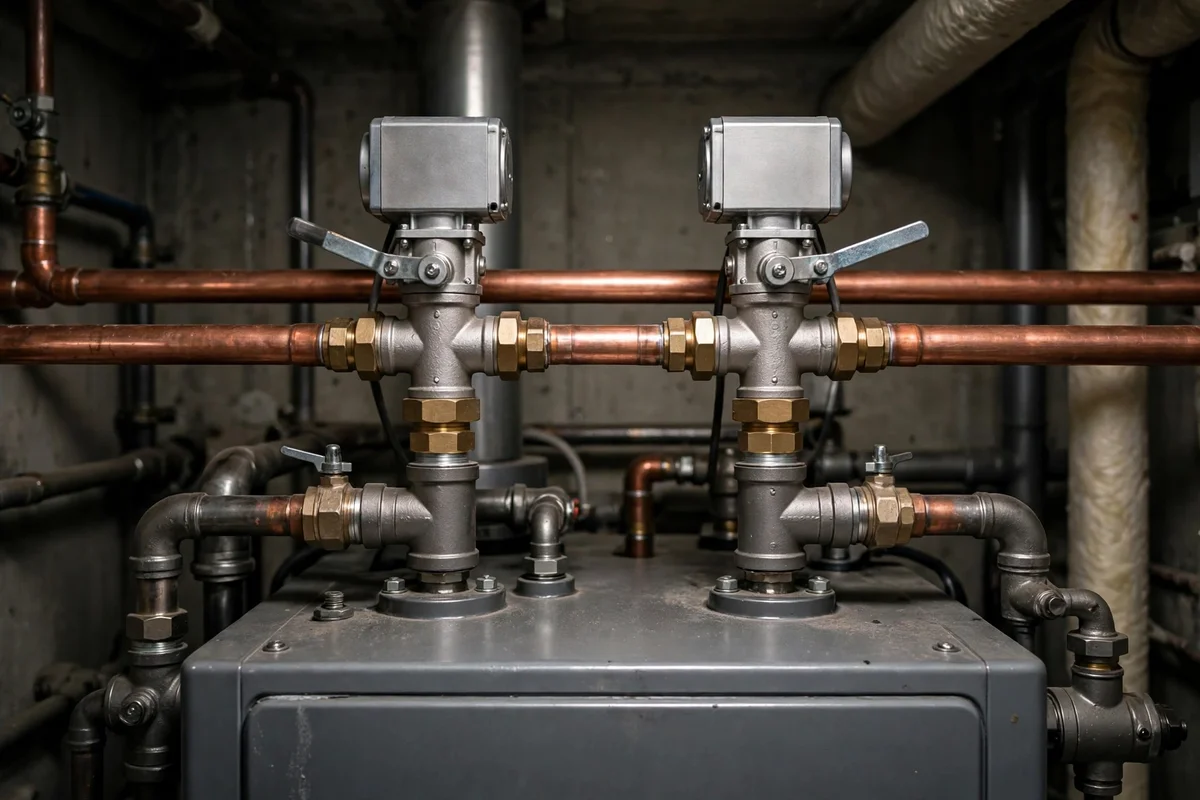
Oil boilers usually need the most attention. Their nozzles, filters, and electrodes soot up with use, and a burner that is out of tune wastes fuel and can lock out. An annual service is the minimum for oil, and hard-running systems may benefit from a mid-season filter check.
Older boilers of any fuel also deserve closer watching. Parts become harder to find, seals age, and corrosion advances, so a system past its prime may need a visit when a new noise, leak, or pressure change appears, rather than waiting for the next annual date. Age alone does not demand extra visits, but age plus new symptoms does.
Homes that heat heavily, such as large houses, homes with underfloor heating across many zones, or businesses open long hours, also put more cycles on their boilers. If your system runs most of the day through winter, tell us, since that pattern may call for a check partway through the season as well as the annual visit.
Not sure what your system needs?
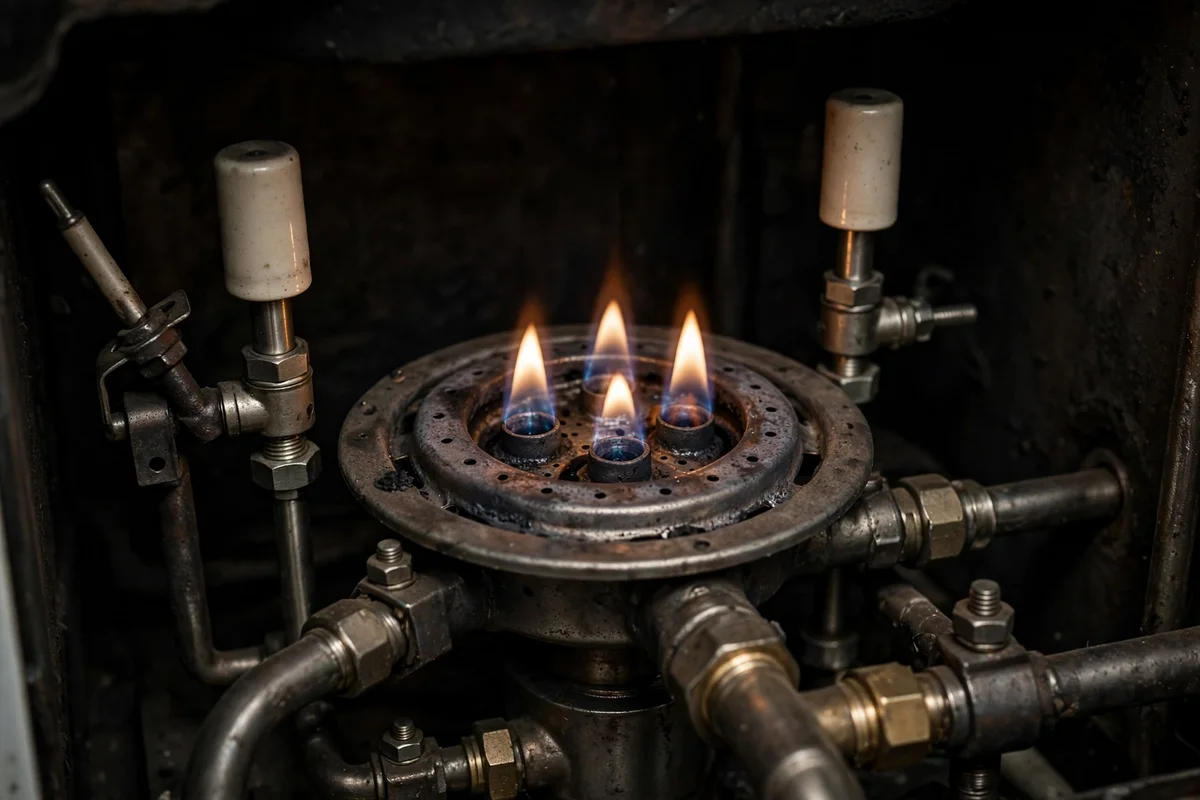
Call (302) 555-0147A visit starts with the boiler itself: burner, heat exchanger, ignition, and flue. The technician cleans soot, checks the flame, tests safety controls, and looks for leaks, rust, and cracked seals. The flue gets checked for blockage and corrosion, since a sound boiler with a failing flue is still unsafe.
Next comes the wider system: pump, zone valves, expansion vessel, pressure, and radiators. The technician checks circulation, bleeds air where needed, and looks at water quality, since sludge in the system strains the boiler. A visit that only looks at the boiler and ignores the system misses half the story.
The visit ends with a conversation. You should hear what was found, what was fixed, and what to watch before the next visit. Keep that note with the boiler guide, since it becomes the record that next year's visit builds on. If a part is wearing out, you should hear about it early, while replacement is still a plan rather than a breakdown.
Early autumn is the best time, before the heating season loads the system. A visit then leaves time to fix anything found, and it means the boiler faces winter freshly checked. If autumn has passed, book at the next chance, since a late visit still catches faults before they grow under winter load.
Missing a year is not a disaster, but it is not harmless either. Soot, sludge, and wear keep building, and a fault that a visit would have caught can become a breakdown instead. Book the visit now, mention the gap when you call, and we will give the system a thorough look rather than a quick once-over.
If your boiler is due, or overdue, call us and tell us the fuel, the age if you know it, and any symptoms you have noticed. We will arrange a visit and talk through what it covers, in plain terms. Homes and businesses across Delaware can reach us on the number at the top of this page, and we would rather check a sound boiler than repair a failed one. See also our Boiler Maintenance and Tune-Up page for details on what that involves.
Yes, even a new boiler benefits from an annual visit. New parts still need checking, controls still need testing, and the visit creates the record that later years build on. Skipping early visits can also affect maker terms, so keep the rhythm from the first year.
Skipping visits lets soot, sludge, and wear build up unseen, and it leaves safety controls untested. The boiler may keep running for a while, but faults grow, efficiency drops, and a breakdown becomes more likely. A missed year is worth catching up, not ignoring.
No, a service is a planned check and tune, while a repair fixes a fault that has already appeared. A service often prevents a repair by catching wear early, but it does not fix a broken part for nothing. If a visit finds a failed part, we will explain the repair separately.
Once a year is the standard for gas boilers. An annual visit checks the burner, heat exchanger, flue, and safety controls, and it catches wear before it becomes a fault. Homes with older gas boilers, or ones that run hard all winter, may need attention sooner if new symptoms appear.
At least once a year, and oil boilers benefit most from keeping that rhythm without gaps. Nozzles, filters, and electrodes soot up with use, and a tuned burner fires cleanly and wastes less fuel. A system that runs hard may also benefit from a mid-season filter check.
A service covers the burner, heat exchanger, ignition, flue, and safety controls, plus the wider system: pump, zone valves, expansion vessel, pressure, and radiators. It ends with a note of what was found and what to watch, which becomes the record for next year's visit.
Basic owner checks, such as bleeding radiators and testing alarms, are fine, but a full service needs a technician. Burner tuning, flue checks, and safety control tests need tools and training, and opening the boiler casing is not a homeowner job. Book a visit for the full check.
Early autumn, before the heating season starts, is ideal, since any fault found still leaves time for repair. A visit at any point in the year is still worthwhile, though, and a missed year is worth catching up rather than waiting for the next autumn.
Yes, steady servicing is one of the main reasons boilers reach a long life. It catches wear early, keeps the burner tuned, clears sludge before it strains the system, and tests safety controls. A boiler that gets its annual visit usually outlasts one that only gets attention when it fails.
Tell us the fuel and any symptoms you have noticed. We will arrange a visit and explain what it covers.
The annual visit, covering burner, flue, controls, pump, valves, and radiators.
When sludge or dirty water strains the boiler, a flush restores clean circulation.
How steady care stretches boiler life, and what wears out first.
Last updated: October 26, 2026.