Emergency Boiler Repair
For leaks, lockouts, and boilers that have stopped heating, with a technician to talk through the problem.
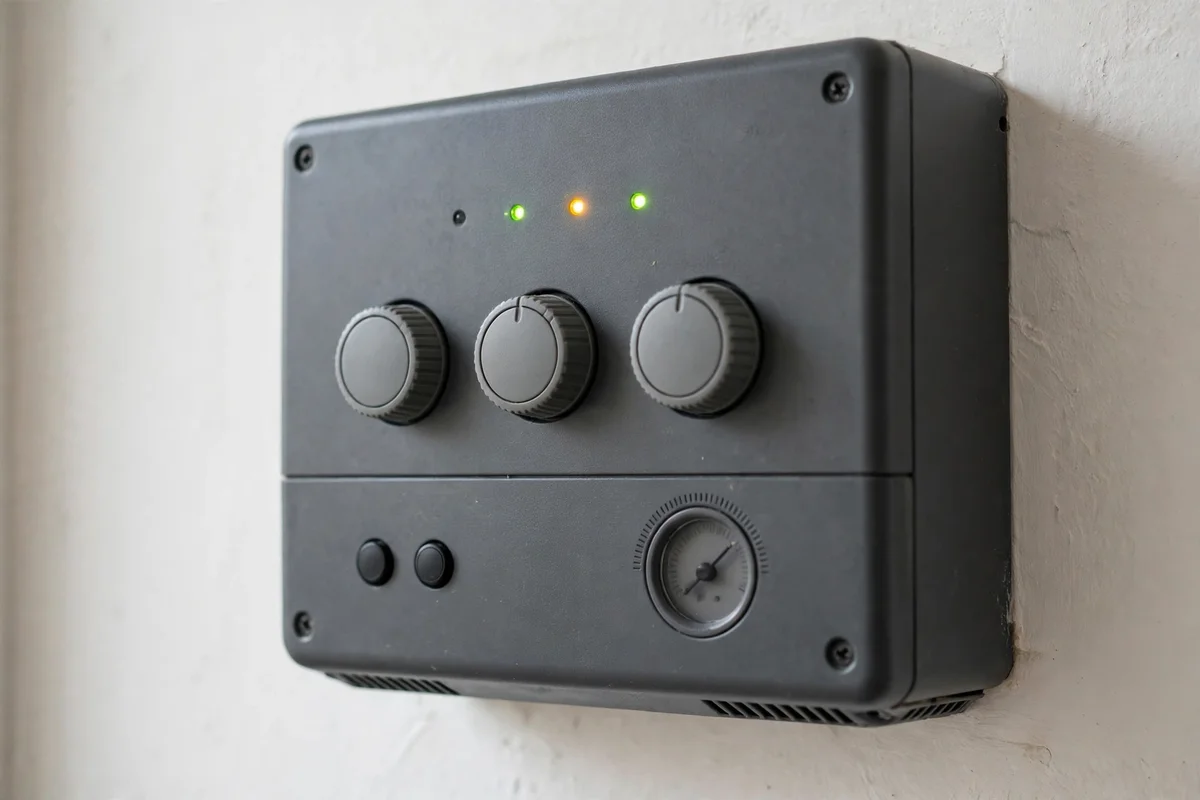
Boilers usually warn you before they stop. Learn the signs that mean your system needs attention, and which ones need a fast call.
By Boiler Guard Delaware
A boiler that needs repair rarely fails without warning. It leaves clues in the rooms it heats, the sounds it makes, and the water around it. Learning those clues helps you call before a small fault turns into a cold house. Some signs point to simple fixes, while others mean the system should not keep running until someone looks at it. This guide sorts the common warnings so you know what to watch and when to pick up the phone.
It also helps to keep a simple note of what you notice, since a fault described well is a fault found faster. Write down when a noise starts, which rooms stay cool, what the pressure gauge reads, and whether the boiler locked out after a reset. Bring that note to the call, and the conversation moves straight to likely causes instead of guesswork. Many of the signs in this guide look small on their own, but together they form a pattern, and spotting that pattern early is what keeps a repair small and a house warm.
The earliest sign is usually uneven heat. One room stays cool while others warm up, or a radiator feels hot at the bottom and cold at the top. That pattern often points to trapped air, sludge, or a valve that no longer opens fully. It rarely fixes itself, and it usually grows worse as the heating season goes on.
New noises are another early clue. Banging, kettling, gurgling, or whistling all mean something has changed inside the system. Air in the pipes gurgles, limescale kettles, and a failing pump can hum or grind. Note when the noise starts, whether it happens at startup or all through the cycle, and tell us when you call.
A rising pattern of small faults matters too. If you have reset the boiler more than once in a season, or a technician has visited twice for the same problem, the system is asking for a deeper look. Repeated resets can mask a fault that keeps coming back, so do not keep resetting without finding the cause.
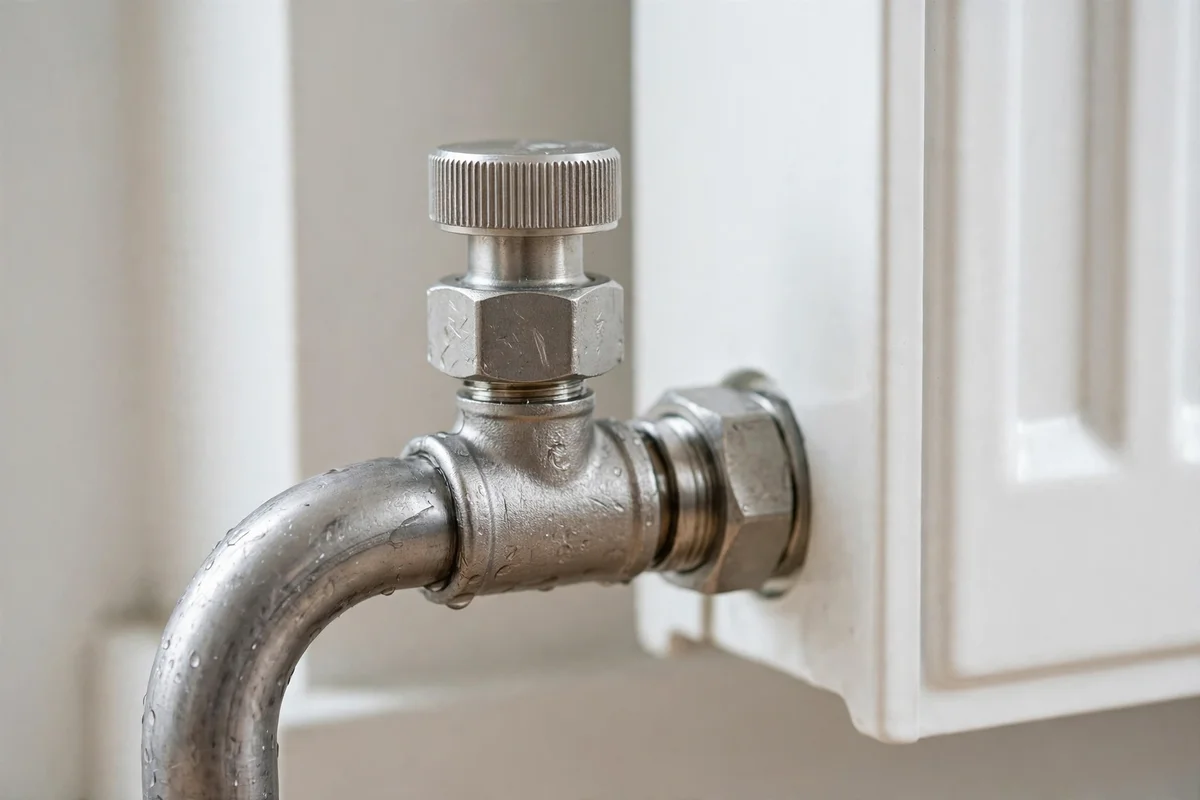
Water around the boiler always needs a fast call. A leak can come from a joint, a valve, or the boiler body itself, and it will not seal on its own. Place a towel or tray under the drip, keep the area clear, and call us to describe where the water is coming from.
Any smell of gas or exhaust needs immediate action, not a wait-and-see approach. Leave the area, do not switch lights or appliances on or off, and call the gas company or emergency services from outside the home. The same urgency applies if a carbon monoxide alarm sounds: get everyone out, then call for help from outside.
A boiler that locks out and will not restart, or one that trips a safety control, should stay off until it is checked. Safety controls lock a system out for a reason, and forcing restarts can hide a fault that needs fixing. Note any lights or codes on the display, then call us with that detail.
Not sure what your system needs?
Call (302) 555-0147Low pressure often shows up as radiators that stay lukewarm or a boiler that cuts out. Pressure drops when water escapes through a leak or when air is bled from radiators without topping the system up. Check the gauge if your boiler has one, and note the reading before you call, since that detail helps us narrow the cause.
High pressure can be just as telling. A faulty expansion vessel or a filling loop left open can push pressure up until the relief valve opens and drips. If you see water from the relief pipe outside, or the gauge sits high after the system cools, the pressure side of the system needs attention.
Radiators that heat slowly or only partly usually point to circulation trouble. A tired pump, a stuck zone valve, or sludge in the pipes all slow the flow of hot water. We can test each part in turn, and fixing the right one restores even heat without replacing parts that are still sound.
In Delaware, older homes in Wilmington, Newark, and New Castle often show trouble through their radiators first. Cast iron radiators hold heat well, but they also hold sludge, and a radiator that stays cold at the top in one room while others heat up is a classic early warning.
Coastal dampness adds another clue. Rust stains on pipes, green deposits on copper joints, and damp patches on basement walls near the boiler all suggest slow leaks or condensation. Catching those marks early keeps a small joint repair from becoming a larger pipe replacement.
If any of these signs sound familiar, call us and describe what you are seeing and hearing. A short conversation often tells us which part to check first, and an early visit usually costs far less trouble than a midwinter breakdown. We serve homes and businesses statewide, and we would rather check a worry early than repair a failure later. See also our Emergency Boiler Repair page for details on what that involves.
A boiler that locks out is usually protecting itself from a fault, such as low pressure, a failed sensor, or a blocked flue. Repeated lockouts mean the cause is still there, so note any lights or codes on the display and call us rather than resetting again and again.
Most boiler noises are not an emergency, but they always mean something has changed. Banging or kettling can signal sludge or limescale, while grinding can mean a failing pump. A smell of gas or exhaust, or a carbon monoxide alarm, is different and needs everyone out of the house at once.
A single cold radiator often has trapped air or a stuck valve, while several cold radiators point to circulation or pressure trouble. Bleeding one radiator may help briefly, but if the same radiator keeps going cold, the cause is deeper in the system and deserves a proper check.
Banging often comes from air in the system, a pump that is struggling, or limescale on the heat exchanger. The sound alone rarely tells the whole story, so note when it happens and whether radiators heat unevenly. A visit lets us find the cause and fix it before it strains other parts.
Put a towel or tray under the drip, keep the area clear, and call us to describe where the water is coming from. Do not keep running a boiler that loses water steadily, and do not try to seal a joint inside the boiler casing yourself. A leak that looks small can still damage floors and the system.
Pressure usually drops when water escapes through a leak, or after radiators are bled without topping the system up. A slow, steady drop points to a leak somewhere in the pipework. Note the gauge reading and how fast it falls, since that detail helps us find the fault more quickly.
One reset after a brief interruption is usually fine, but repeated resets are not a fix. If the boiler locks out again, leave it off and call us with any lights or codes on the display. Safety controls lock a system out for a reason, and forcing restarts can hide a fault that needs attention.
Heat at the bottom with cold at the top usually means trapped air is sitting in the radiator. Bleeding the radiator can release that air, but if the same radiator keeps going cold, sludge or a valve fault may be behind it. A system check finds the real cause and keeps the fix from being temporary.
Call right away for water around the boiler, any smell of gas or exhaust, a carbon monoxide alarm, or a boiler that will not restart. For uneven heat, new noises, or repeated resets, call soon, before the fault grows. Early visits are simpler, and they keep a small problem from becoming a cold house.
Describe what your boiler is doing, and we will talk through the likely cause and arrange a visit to check it properly.
For leaks, lockouts, and boilers that have stopped heating, with a technician to talk through the problem.
A full check that catches worn parts and pressure problems before they cause a breakdown.
Where boiler leaks start, what they mean, and what to do when you find water.
Last updated: October 26, 2026.