Emergency Boiler Repair
For active leaks and boilers losing water, with a technician to talk through what you are seeing.
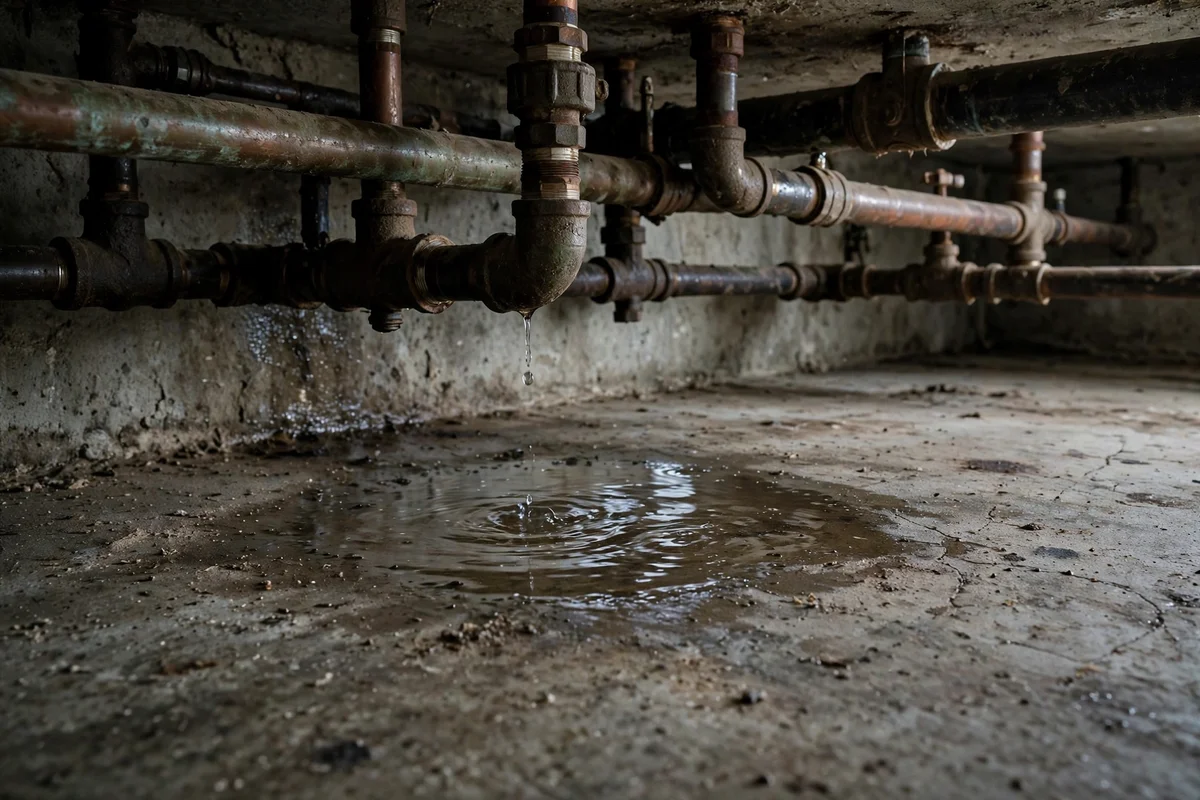
Water near a boiler is never normal. Learn where leaks start, what each one means, and what to do when you find one.
By Boiler Guard Delaware
Finding water near your boiler is unsettling, and the first question is usually where it came from. Leaks start in a handful of places, and each one tells a different story about the system. Some are simple joint or valve faults, while others point to pressure trouble or corrosion that needs a closer look. This guide walks through the common causes, what you can safely check, and when to call us instead of waiting.
A leak also tells you something about the age and condition of the wider system, not just the fitting that drips. When we trace a leak, we look at water quality, pressure behavior, and the state of nearby joints, since a system with one worn joint often has others nearing the same point. That wider look is what turns a single repair into lasting peace of mind, and it is why this guide asks you to note timing and location before you call. The details you gather in five minutes can save a return visit.
Joints and valves are the most common leak points. Heating water expands and contracts with every cycle, and that movement slowly loosens fittings and wears valve seals. A drip at a pipe joint, a weeping valve stem, or dampness around a pump seal usually points to wear rather than a failed boiler body.
The pressure relief valve is another frequent source. It opens on purpose when system pressure climbs too high, sending water down its discharge pipe. If that pipe drips after the system cools, the relief valve may be worn, or the expansion vessel may have lost its charge. Either way, the pressure side of the system needs checking, not just the valve.
Corrosion causes the slower, more serious leaks. Rust eats through thin sections of pipe and boiler casing over years, especially where damp air sits on bare metal. Green or white deposits on copper joints, rust stains on the boiler body, and damp patches that return after drying all suggest corrosion is at work.
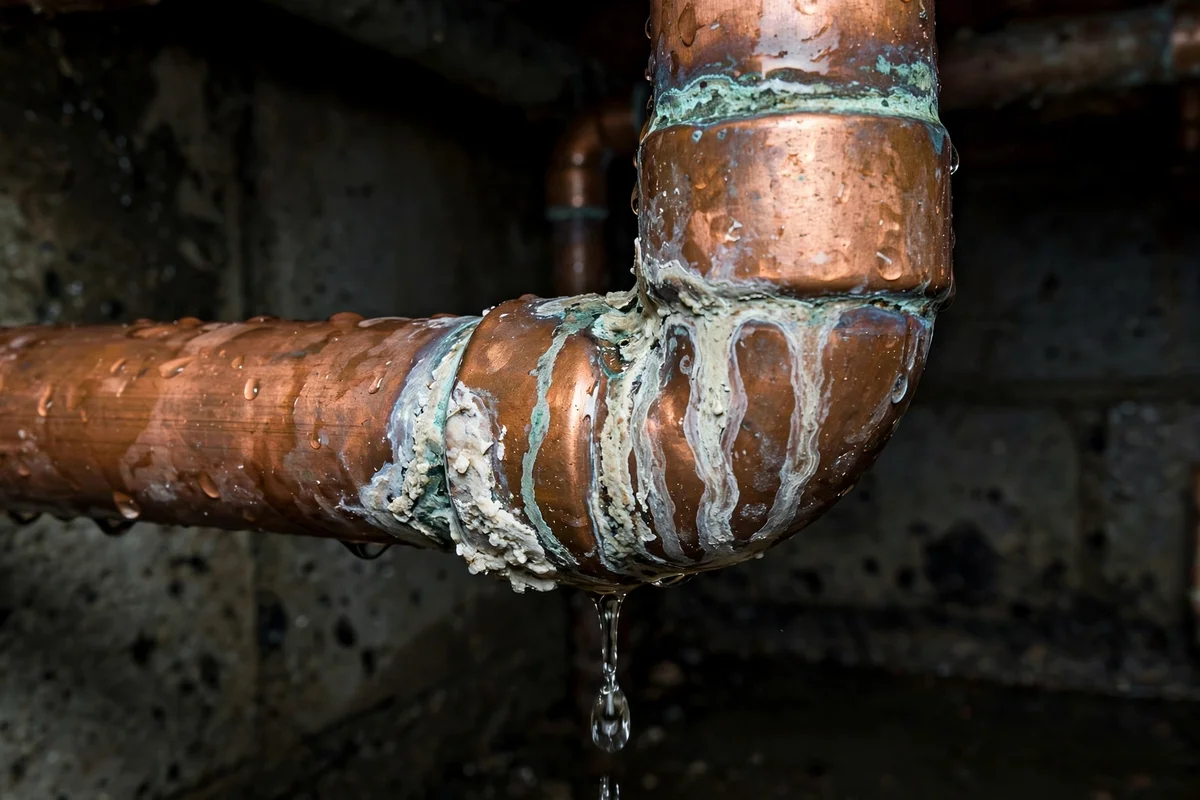
Water under the boiler itself often comes from inside the unit, through a seal, a heat exchanger joint, or the condensate trap on a modern boiler. That kind of leak deserves a prompt visit, since water inside the casing can damage controls and wiring. Switch the boiler off if water is reaching electrics, and keep the area clear.
Water at a radiator valve or pipe joint away from the boiler usually means a fitting has loosened or a valve seal has worn. These leaks often start as a slow drip that stains the floor or wall. Catching them early keeps the repair small, but leaving them lets damp spread into floors and skirting boards.
Water from a pipe outside the house, near the relief discharge, points to pressure trouble. Note whether the drip happens while the boiler runs or after it cools, and whether the pressure gauge reads high. That timing helps us tell a worn relief valve from a failed expansion vessel, and it saves a second visit.
Not sure what your system needs?
Call (302) 555-0147First, protect the area. Put a tray or towel under the drip, move anything that water could damage, and keep children and pets away from standing water near electrics. If water is reaching the boiler controls or wiring, switch the boiler off at its control and call us right away.
Next, note what you can see. Where is the water coming from, how fast is it dripping, and does it change when the boiler runs? A photo of the leak and the pressure gauge reading gives us a head start, and it often tells us which part to bring. Do not open the boiler casing or tighten fittings inside the unit yourself.
Then call us and describe what you found. We will talk through whether the boiler should stay off, and arrange a visit to trace the leak to its source. A leak that is fixed at its cause, rather than patched at its symptom, stays fixed, and that is the standard we work to on every visit.
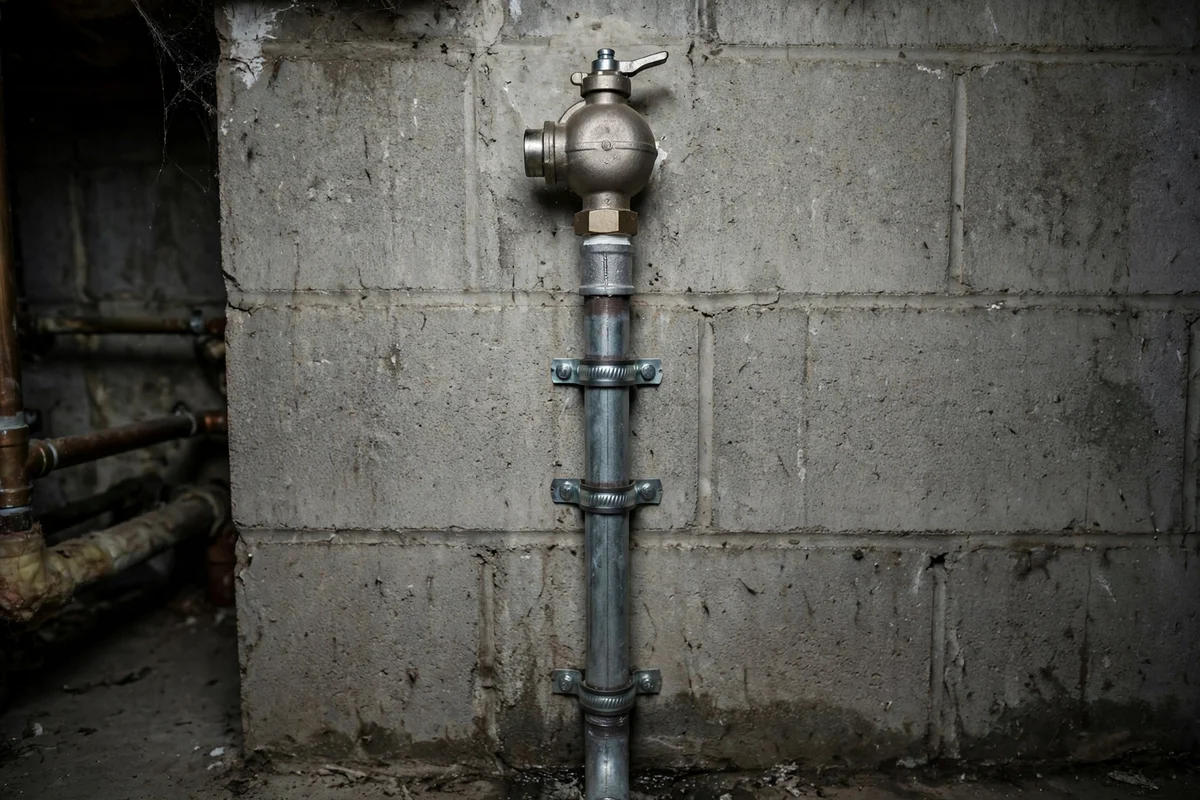
Many Delaware homes, especially older properties in Wilmington and New Castle, still run original pipework with joints that have seen decades of heating cycles. Those joints loosen slowly, and the first sign is often a faint stain rather than a puddle. Regular checks catch that stage, when a fitting can be remade before it fails.
Damp basements add to the problem. Moisture in the air corrodes exposed pipes and valve bodies, and a basement that floods in heavy rain can hide a slow leak until the damage spreads. Keeping the boiler area dry, and checking it after storms, helps you spot new dampness while it is still small.
If you have found water near your boiler, do not wait for it to stop on its own, because leaks do not seal themselves. Call us, describe where the water is, and we will trace it to its source and fix the cause. Homes and businesses across Delaware can reach us on the number at the top of this page. See also our Emergency Boiler Repair page for details on what that involves.
A small drip rarely stays small. It can damage floors, feed corrosion, and drop system pressure until radiators go cold. A tray under the drip buys a little time, but the leak still needs tracing to its source, since the cause keeps working even when the drip looks minor.
Leaks that appear while the boiler heats often come from expansion. Hot water raises system pressure, and a worn joint or valve seal that holds when cold starts to weep when hot. Note the timing, since it helps us tell an expansion fault from a joint that leaks all the time.
A relief valve that drips after the system cools usually means the valve is worn or system pressure is not being controlled properly. The valve is a safety part, so a drip from it deserves a check rather than a wait. We test the pressure side of the system to find the real cause.
Water under the boiler often comes from a seal, a heat exchanger joint, or the condensate trap inside the unit. That kind of leak needs a prompt visit, since water inside the casing can damage controls and wiring. Switch the boiler off if water reaches electrics, and call us to describe what you see.
Tightening a loose valve nut can slow a drip at a radiator valve, but it does not fix a worn seal, and overtightening can crack the fitting. If the drip continues after a gentle nip, or the valve body is corroded, leave it and call us. A proper valve change keeps the repair small and lasting.
Pressure drops and leaks often travel together, since escaping water lowers the pressure in the system. The leak may be visible near the boiler, or hidden in pipework under floors. Note how fast the gauge falls, since a fast drop points to a larger leak that needs finding sooner.
The overflow, or relief discharge pipe, releases water when system pressure climbs too high. A drip there usually means the relief valve is worn or the expansion vessel has lost its charge. Both faults sit on the pressure side of the system, and both need a check to fix properly.
Yes, corrosion is one of the main causes of serious leaks. Rust thins pipe walls and boiler sections over years, especially where damp air sits on bare metal. Green deposits on copper joints and rust stains on the boiler body are early warnings worth acting on before a section fails.
If water is reaching controls or wiring, switch the boiler off and call us. For a slow drip at a pipe joint away from electrics, a tray under the drip and a prompt call are usually enough. When in doubt, switch it off and describe what you see, and we will advise you from there.
Tell us where the water is coming from and how fast it is dripping. We will trace it to its source and fix the cause, not just the symptom.
For active leaks and boilers losing water, with a technician to talk through what you are seeing.
Clean water and clear pipework that slow corrosion and protect joints across the system.
The wider warning signs, from cold radiators and new noises to lockouts and pressure changes.
Last updated: October 26, 2026.